Teacher of flute, saxophone and clarinet
& Morningside School of Music and a highly
respected musical instrument repair technician
across Scotland and beyond.
Mrs Amy Rabson BMus (Hons)
Do you remember your first experience in noticing music, being impressed by it, listening to it and feeling ‘wow! I want to be a musician!’
Both of my parents are musical so my interest in music started at a very early age and came from them really. My mother sang with an Operatic society, so I went and watched them perform and I remember being very taken with the music and the costume. It was also hugely exciting as a child when my Dad would occasionally play his tenor sax for us, I was so fascinated with it as an object and the sound it made.
What was the first instrument you ever owned? What brand was it, what did you like and dislike about it? Do you still have it today?

The first instrument I owned was my Trevor James flute. It was the first instrument I learned and had lessons on. I was too young and inexperienced at the time to really know why I liked the brand, but knowing what I know now Trevor James make some excellent student flutes, ergonomic to play with a lip plate that is good for a developing embouchure. I sold said flute some years ago – I like to think it went to a good home and that someone is enjoying playing it as much as I did.
Did you take lessons at school or privately?
Yes, I had weekly flute lessons from when I started in junior school right up until I graduated from University. I have had some fantastic teachers, very supportive and insightful, as well as being excellent musicians themselves. I also play saxophone and piano. I still play sax – no longer piano, not that I didn’t also have great teachers, I got to grade five but I found learning such a struggle, I never really got comfortable with it as an instrument.

What would you have liked to do if you weren't a musician?

No Shortcuts
Did you study music at university? If so, can you elaborate, on what modules you liked best, which ones were the most fun and what ones were boring and why?
I studied music at the University of Chichester. At the time
I found the written modules fairly frustrating, not that they
weren’t interesting: romanticism, a history of jazz, music
therapy/community music etc I was just impatient when I
wasn’t playing for any length of time. Now however I do wish I had spent more time studying away from my instrument and making use of the wealth of information and well-informed people at my disposal.
I found the written modules fairly frustrating, not that they
weren’t interesting: romanticism, a history of jazz, music
therapy/community music etc I was just impatient when I
wasn’t playing for any length of time. Now however I do wish I had spent more time studying away from my instrument and making use of the wealth of information and well-informed people at my disposal.
The thing that was brilliant about the course, and that I did make the most of, was the ensemble and performance opportunities the university offered. I auditioned for and was probably in, every orchestra going: wind band, big band, symphony and chamber orchestra the list goes on. In my final year, I performed the Brandenburg concerto no.4 backed by the chamber orchestra. We performed it locally and when the group spent a week on tour in Switzerland was such a fantastic piece to work on and perform.
- Favourite Gig
- Your Own Performing
- What kit should I invest in?
- Can you repair or upgrade my instrument?
What live music truly inspires you?
A few years ago I saw the Berlin Philharmonic Orchestra performing in the Berlin Philharmonie concert hall. They were playing Mahler’s 2nd symphony. It was an amazing performance,
Mahler’s music is intense and powerful anyway, but nothing really compares to having such a large live orchestra (complete with a choir and off-stage trumpet!) in a purpose-built venue
like that, it was such an experience.
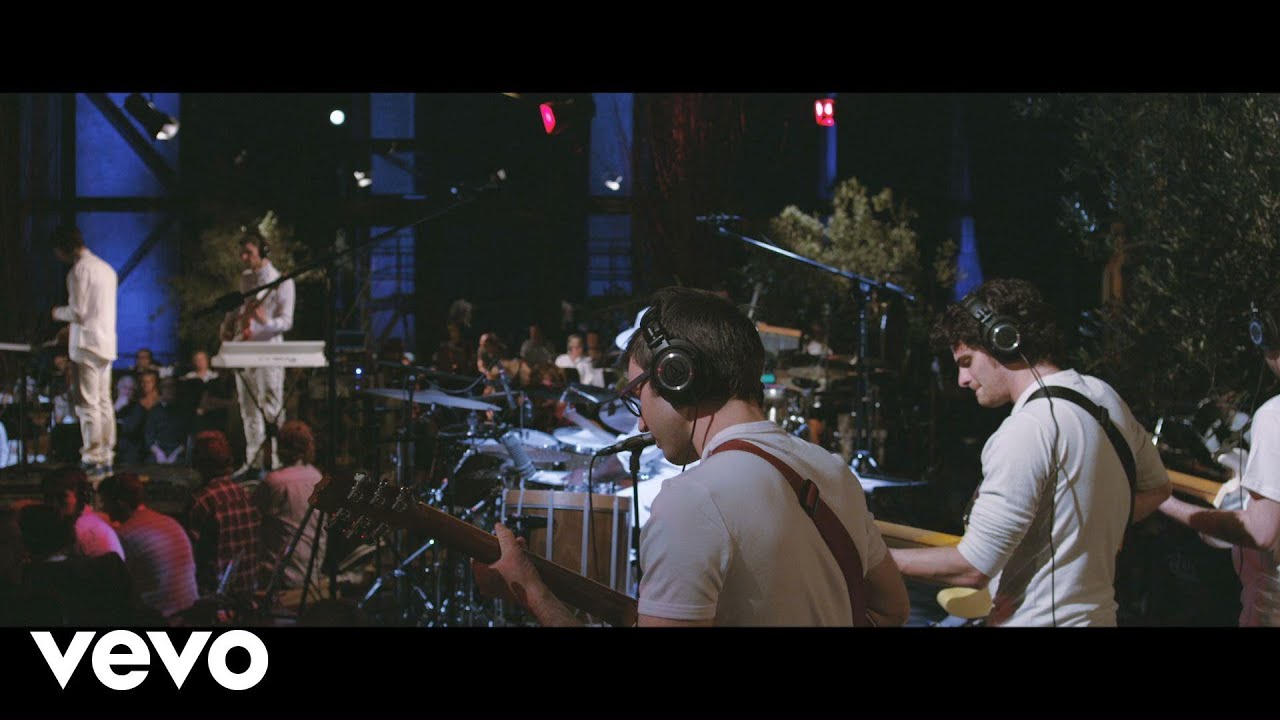
Really trying to limit myself to a few here but I also saw Lake Street Dive on their first UK tour
in London, their double bass player is fabulous, Snarky Puppy, who are just the largest
collection of crazy talented musicians. Another that gets a mention is an Australian band called The Cat Empire who I have seen a few times, they have some really great trumpet players and their gigs always feel more like parties, you get such a mix of people there that are all just up for a good time.
What musical performances stick in your mind and why?
I’ve played in a few bands besides the orchestras I have mentioned –the two I probably played the
most with was a Ska band and a Jazz sax quartet. The ska band was so much fun, there were eight of us and they used to get booked for so many festivals in the summer, so I got to play at Isle of Wight, Boomtown, and Bestival to name a few. And the saxophone quartet was more geared towards
functions, so weddings and parties, we would regularly busk too! I learned so much about saxophone playing, and ensemble playing for that matter in the quartet. It was started by some friends of mine and they, very kindly, invited me to be their tenor player despite the fact I was quite new to the instrument and I think still pretty terrible! But they were all very accomplished saxophone players and
I learned so much from playing alongside them, I think it’s so important to try and play with musicians
who you think are better than you, I feel you intuitively pick things up like that faster than learning on
your own. Playing with just the four melody instruments and no rhythm section or anything meant that our ensemble skills had to be so good – you need to be perfectly in time and in tune with each other, we put many hours into rehearsing those skills.
What makes a good practice kit?
in practical terms for practising effectively I would say you need:
– an instrument that is in good working order
– a music stand so you can practice with good posture
– a pencil to mark breath marks, highlight accidentals you always forget etc really
any useful reminders to yourself
– A metronome & tuner – developing your ear and internal rhythm take time, it’s useful to have tools to help while you do
What I would also say about practice is to try and be consistent, even a little every day goes a long way.
And try to maintain a sense of humour, don’t be too hard on yourself, lean in and get curious about why things go
wrong or are difficult, break it down where you can and remember to make time to just enjoy playing.
Can you repair my flute, clarinet or saxophone?
Of course, I have been offering musical instrument repair for many years and I have trained under some of the best instrumental technicians in Britain. With me, your instrument is in very good hands.
For a full list of my services and prices, please visit my website where I offer Edinburgh Saxophone, flute and clarinet repair.
You can also call me on 07593983197 or email amyrabsonrepair@gmail.com
Thanks.
How did you get into repairing musical instruments? What are some of the pros and cons
of being a musical instrument technician?
I was apprenticed to Rupert Noble in his workshop in Brighton – I went along many years ago for a chat about how I might get into the industry and was offered a spot to train with him, so really the right place right time. I feel so lucky to do what I do for a living, partly because opportunities to get into it are so limited but also taking something that doesn’t work properly and putting it right is just hugely rewarding. I get to work on some beautiful instruments and work with the lovely and interesting people that own them. I can honestly say I don’t think there are too many cons to being a technician!
Occasionally it can be quite a messy job, and you sometimes sustain some (minor) injuries. You sometimes find some pretty strange things inside people’s instruments, confetti, pebbles, spare pair of socks….! Customers can also have some pretty spectacular accidents, instruments stepped on, run over, fallen off stages etc. But it really is all part of the job and I love that every day is different.
What musical instrument manufacturers would you recommend to someone who is looking to purchase an instrument?
Beginner
This goes for both flutes and saxophones actually, I would have
to say for beginners Trevor James or Yamaha. Both of those brands do a
variety of models at different price points that would be suitable to start on.
- Trevor James MJ10X MKV Flute package – £399
- Yamaha YAS28 Eb Student Saxophone package – £1,099
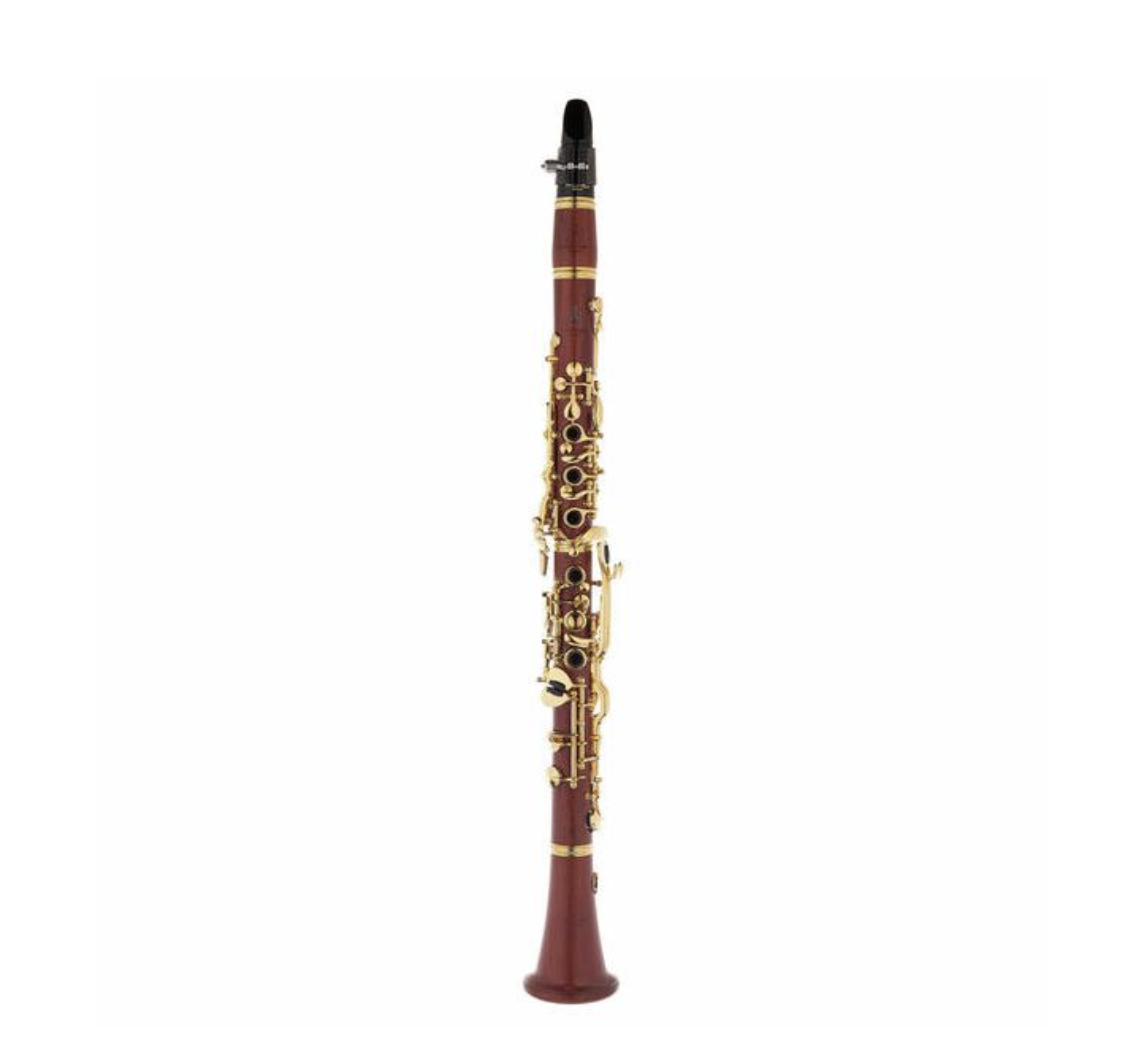
- Buffett Crampon Prodige – £449
Intermediate
There is a selection of impressive instruments that are more appropriate for those who have been playing for that little bit longer and have a bit more control of their instruments. These are some that I would recommend:
- The Pearl PF-795E ‘Elegant Flute’ – £2650
- Yanagisawa AWO2U Alto Sax – £2999
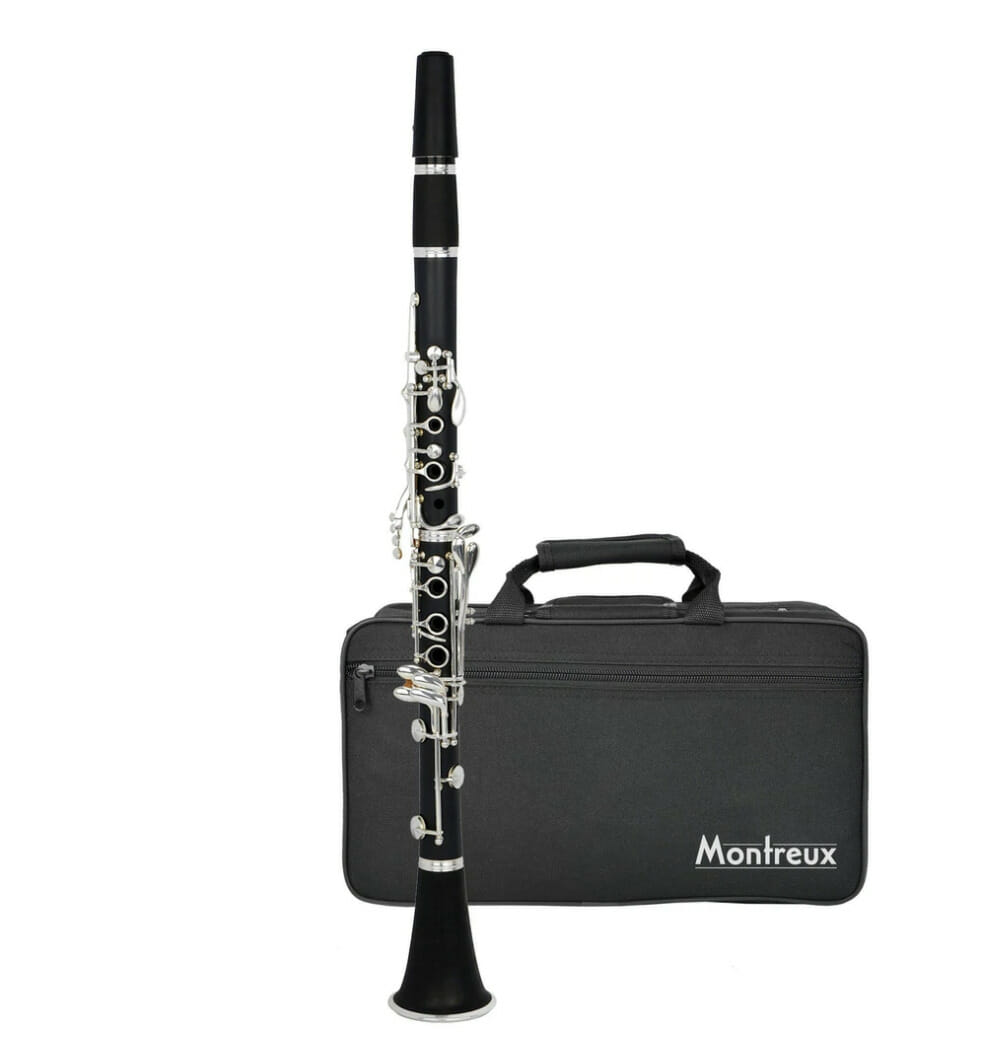
- Yamaha YCL450 Bb Clarinet – £899
Advanced
For those players who are aiming for the very top of their game and to achieve the very finest sound without worrying about the price range, the lovely music instruments are some lovely contenders. Some very nice choices!
- Muramatsu SR – £13,500
- Selmer Paris Series III – £13,499
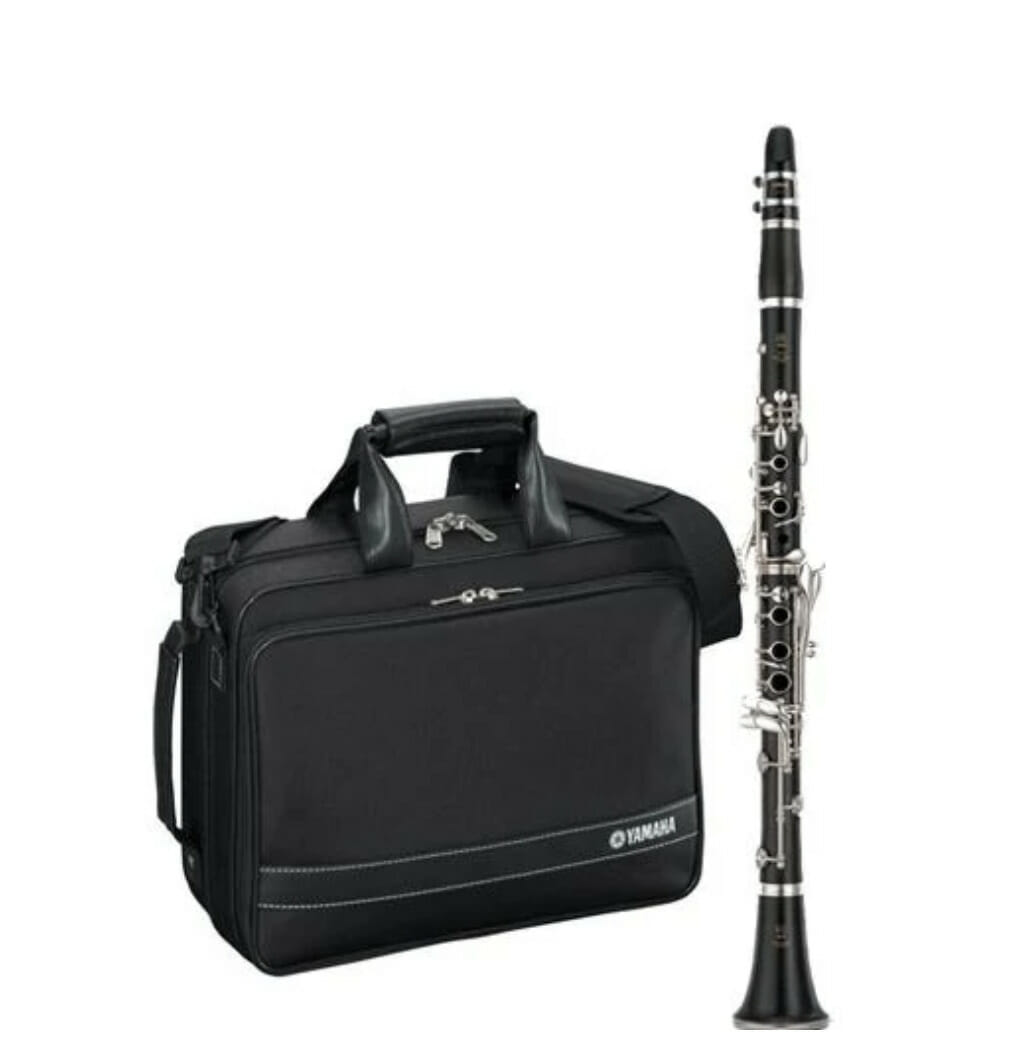
- Buffet Tradition – £3,770
Buying Secondhand
What should people be careful of when buying second hand? Are there obvious signs to look out for that the instrument may need serious work carried out?
I would say when buying second hand always try the instrument or see it in person if you can – it’s almost impossible to tell if something is working or not from pictures. It’s always fairly safe to assume a second-hand instrument will need at least a service (unless the seller has already arranged that themselves) so bear that in mind when thinking about the price of the instrument.
Look to see that all the keys are moving freely, look out for any dents, and most importantly look at the pads. Without being a trained repairer it can be hard to assess how much work an instrument may need exactly but as a general rule if the pads need replacing that is going to be more expensive than just a service as the material costs are higher and it’s a much longer job – so have a quick look to see if the pads are cracked or hard or falling out! Lastly, do your research and try to stick to well-known brands plenty of music shops sell excellent second-hand instruments you know you can trust the quality when buying through a shop.
Are there any tips or advice you could give your musicians on looking after your instruments? How to
prevent issues?
There are a few things you can do as a musician to help look after your instrument always be careful with how you store it and put it together, you shouldn’t need to be forceful at all as that’s when things get bent! And try to keep your instrument clean, just swabbing out the moisture from the inside once you are done playing goes a long way towards keeping it nice. I could certainly go on –for anyone interested in the full list of tips there is free downloadable information on my website.

Mrs Amy Rabson
Musician& Teachnician
Giles Street, Edinburgh.
MOBILE: 07593983197 EMAIL: amyrabsonrepair@gmail.com
Open Monday – Saturday
Business by appointment only.
What style of music or artists do you enjoy playing at home when listening to music? Are there any artists or bands that you could recommend to us? Tell us a bit about, recommend some of their songs and what you like about them?
I think what I listen to at home is pretty varied but an album
I always come back to is Sylva by, I mentioned
them earlier, Snarky Puppy , some of the very finest most musicians coming out of the States just now they just have to be witnessed believed,
A band that I like to recommend to my saxophone
pupils is The Comet is Coming, for some really
infectious melodies and exciting sax playing musicians. And finally,
a little personal obsession of mine is Hayley
them. I love her vocal delivery, it’s always spot on
and there’s a sincerity in her lyrics that I really like,
no lazy lines in there just to make things rhyme, it
all feels very intentional.