


What are Rockschool Exams? Your Ultimate Guide to Modern Music Grading
Introduction: What Makes Rockschool Exams Stand Out?
If you’ve been learning an instrument or singing, you might have heard about Rockschool exams. But what are they, and why have they become so popular among musicians? In short, Rockschool exams offer a structured yet highly creative approach to music education, perfect for those who love contemporary music styles like rock, pop, blues, and jazz. These music exams are designed to assess your practical abilities as well as your theoretical knowledge, and they’re available in over 40 countries worldwide.
Whether you’re aiming to become a professional musician or simply want a way to mark your musical progress, Rockschool exams offer a globally recognised qualification that’s flexible, rewarding, and fun. In this article, we’ll explain everything you need to know about Rockschool exams, including their grading system, how to prepare, and why they stand out from traditional classical music exams.
What is Rockschool?
Rockschool is a world-renowned music exam board, offering qualifications in contemporary music for over 30 years. Unlike many traditional music exams, Rockschool focuses on genres that are relevant today, such as rock, pop, blues, metal, and jazz. The idea is to give students a modern, practical way to learn and be assessed on their instrument.
Rockschool exams are available for various instruments, including:
This wide range makes it possible for nearly any musician to find an exam that suits their needs. One of the reasons Rockschool is so popular is that it doesn’t limit students to classical pieces or traditional methods. Instead, the exams focus on music that students are passionate about.
Why Choose Rockschool Exams?
Why should you opt for Rockschool exams over other types of music exams? Here are a few reasons why Rockschool might be the right fit for you:
- Modern Genres: If you love modern music, Rockschool exams allow you to play the music you actually enjoy.
- Practical Approach: These exams focus on performance and creativity, with an emphasis on real-world skills like improvisation and technical mastery.
- Global Recognition: Rockschool qualifications are recognised around the world, which can be a great addition to your musical CV if you’re pursuing a career in music.
- Comprehensive Curriculum: Rockschool provides a balanced mix of performance, theory, and technical skills, preparing students for a wide range of musical opportunities.
Types of Rockschool Exams
Rockschool exams come in several types, depending on what you want to focus on. Let’s break down the main types of exams offered:
- Instrument-specific exams: These are the most popular Rockschool exams and are available for instruments like guitar, bass, drums, and vocals. Each exam is designed to assess your technical and performance skills.
- Music Production exams: If you’re more interested in the behind-the-scenes side of music, Rockschool offers exams in music production, where you’ll be assessed on your ability to record, mix, and produce music.
- Theory exams: Rockschool also provides a path for those interested in music theory. These exams help you understand the underlying structures that support contemporary music, such as chord progressions, rhythm, and harmony.

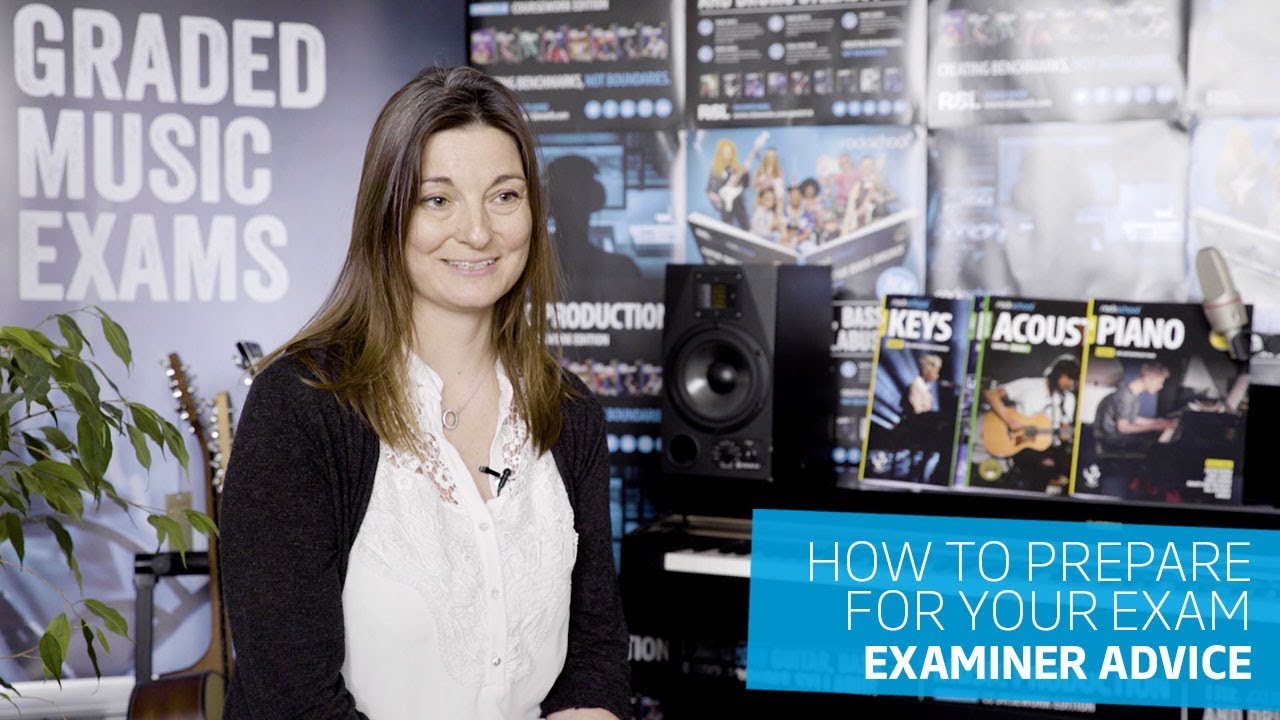
The latest RSL Rockschool music grade books for 2024.
How to Prepare for Rockschool Exams
Preparing for a Rockschool exam requires dedication, but with the right approach, it can be an enjoyable and rewarding process. Here’s a step-by-step guide on how to prepare:
1. Choose the Right Grade
Rockschool exams are structured in grades, starting from Debut Grade (for complete beginners) and going up to Grade 8 (advanced players). Each grade represents a new level of technical skill, musical understanding, and performance ability. Make sure to choose the grade that matches your current skill level. If you’re unsure, consult a music teacher or tutor.
2. Use Rockschool Resources
One of the best things about Rockschool is the wide range of resources they provide for students. For each exam grade, Rockschool publishes books that include:
- Performance pieces: Songs that you’ll be required to play in your exam.
- Technical exercises: These include scales, arpeggios, and other technical skills.
- Backing tracks: Rockschool provides professional backing tracks to help you practice performing in a band setting.
These resources are invaluable, and practising with them will help you get comfortable with the format of the exam.
3. Regular Practice
As with any music exam, regular practice is crucial. Make sure to divide your practice sessions between learning the set pieces, technical exercises, and any aural or improvisation skills you might need. Consistency is key!
4. Take Mock Exams
Doing a mock exam with a teacher or even by yourself can help you get used to the format of the real thing. This will help you manage your time and build confidence, as you’ll know what to expect on the day of the exam.
Rockschool Grading System Explained
Rockschool exams follow a grading system similar to classical music exams, but the focus is more on performance and creativity. Here’s a breakdown of the grades:
- Debut Grade: Ideal for complete beginners, focusing on basic skills like single-note playing and simple rhythms.
- Grades 1 to 3: These beginner grades help you build a foundation of basic technical skills. You’ll learn more about playing in different keys, keeping time, and simple improvisation.
- Grades 4 to 5: Intermediate levels where you’ll be introduced to more complex techniques, like alternate picking for guitar or ghost notes for drums.
- Grades 6 to 8: These are the most advanced grades and are suitable for musicians looking to pursue a career in music. You’ll need to show technical proficiency, musicality, and performance flair.
Assessment Criteria in Rockschool Exams
How exactly are you assessed in a Rockschool exam? The marking criteria are broken down into specific sections, each focusing on different aspects of your playing. Here’s what the examiners will be looking for:
- Technical ability: Are you able to play your instrument with control, accuracy, and fluency?
- Musical interpretation: Can you bring the music to life by adding your own personal touch? This might include dynamics, phrasing, and expression.
- Improvisation: For many instruments, you’ll be asked to improvise over a backing track. This section tests your ability to create music on the spot and respond to the other instruments in the track.
- Performance: How confident are you when performing your pieces? Performance flair is crucial in modern music, and Rockschool places a big emphasis on this.


Rockschool for Vocals, Guitar, Drums, and More
Let’s look at how Rockschool exams differ for various instruments:
- Vocals: Vocalists are assessed on pitch, tone, phrasing, and control. There’s also a big focus on interpretation, where you’ll need to show your ability to bring emotion and expression to the song.
- Guitar: Guitar exams test your ability to play in different styles, from rock and blues to jazz and metal. You’ll also be asked to demonstrate improvisation skills and advanced techniques like tapping, alternate picking, and sweep picking at higher grades.
- Drums: Drum exams focus on timekeeping, control, and dynamics. You’ll also need to show your ability to play different styles, from rock and pop to funk and jazz.
- Piano and Keys: Pianists and keyboardists are assessed on their ability to play complex chord progressions, scales, and arpeggios. Improvisation and performance skills are also tested.
Comparison Between Rockschool Exams and Classical Music Exams
You might be wondering, how do Rockschool exams compare to classical music exams? While both follow a graded structure, there are several key differences:
- Genres: Classical music exams focus on traditional Western classical music, while Rockschool covers contemporary styles like rock, pop, and jazz.
- Performance vs Theory: Rockschool exams place more emphasis on performance and creativity, while classical exams tend to be more focused on theory and technical skills.
- Instruments: Rockschool exams cover instruments like electric guitar, drums, and bass, which are often not included in classical exams. This makes Rockschool a more appealing option for musicians who are interested in modern genres and instruments.
