When it comes to mastering the acoustic guitar, the right resources can make a world of difference. Whether you are a beginner looking to strum your first chord or an advanced player aiming to fine-tune your skills, having a good guide is essential. There are countless books available, but not all of them offer the same value. Below, we delve into the best acoustic guitar books that cater to various skill levels and learning preferences.
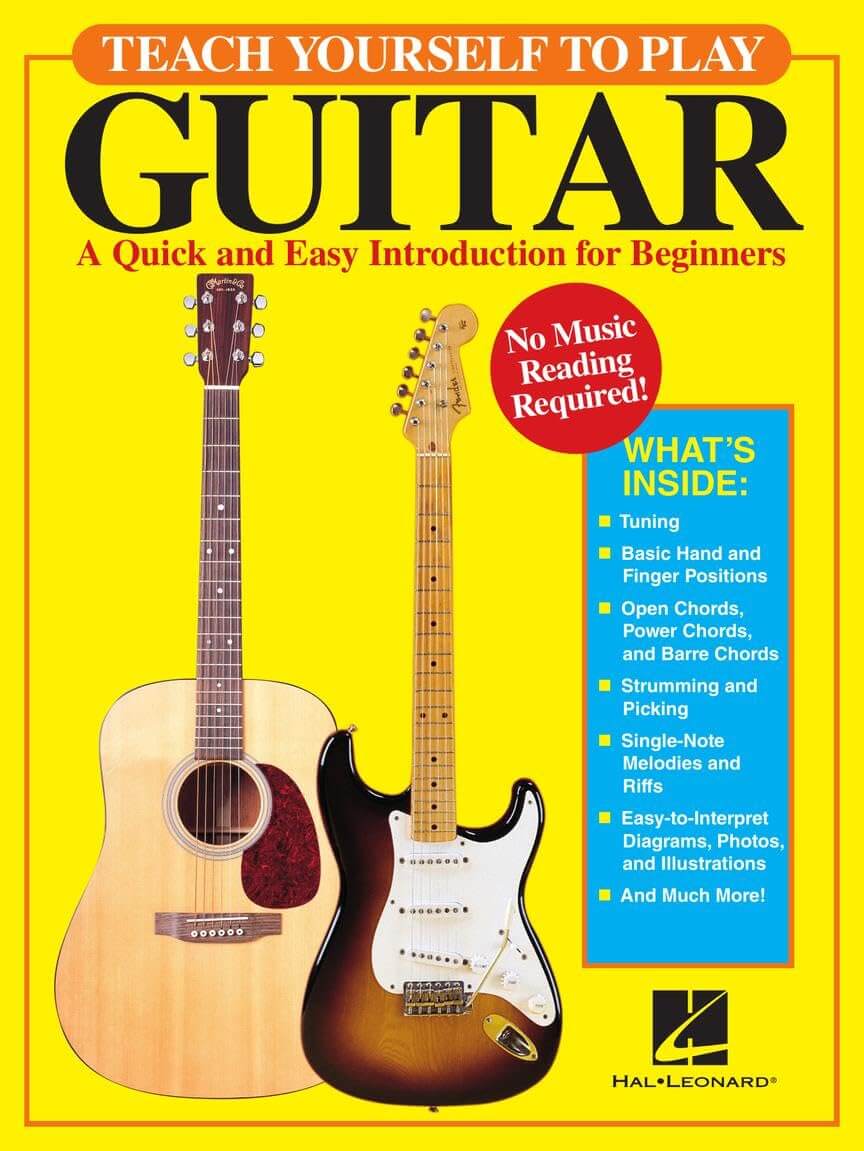
For those just starting their journey with the acoustic guitar, “Teach Yourself to Play Guitar” by David M. Brewster is an excellent resource. This book provides a straightforward introduction to the basics of guitar playing. It covers essential topics such as tuning, basic chords, and strumming patterns. What makes this book particularly effective for beginners is its simple language and clear instructions, which make the learning process less daunting. Additionally, it comes with visual aids that help to reinforce the lessons, making it easier for beginners to grasp the fundamentals.
Key Features:
Step-by-step lessons
Easy-to-follow instructions
Visual aids and diagrams
Suitable for self-study
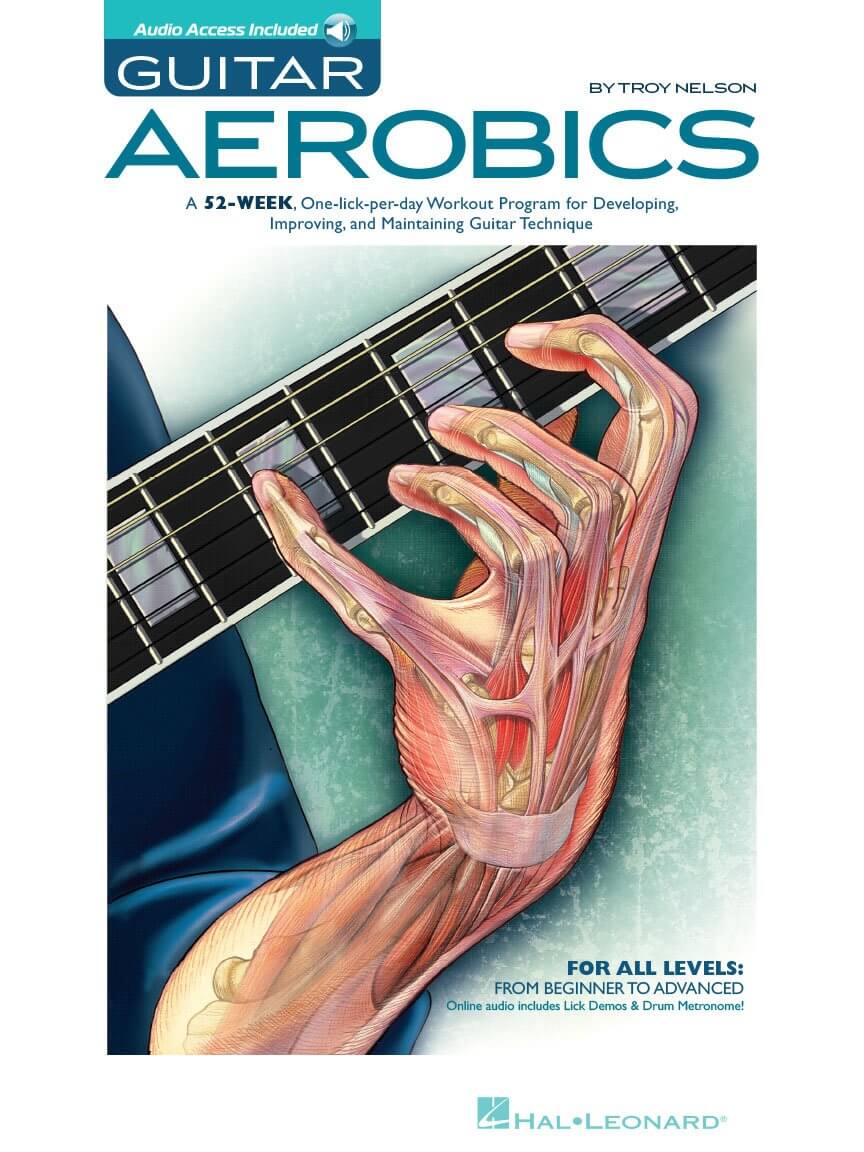
2. Guitar Aerobics: A 52-Week, One-Lick-Per-Day Workout Program for Developing, Improving, and Maintaining Guitar Technique by Troy Nelson
For intermediate players looking to improve their technique, “Guitar Aerobics” by Troy Nelson offers a unique and structured approach. This book is designed as a 52-week program that focuses on one lick per day. The exercises in this book are not only about practicing licks but also about improving dexterity, speed, and accuracy. It’s an excellent resource for players who are serious about honing their technical skills and taking their playing to the next level.
Blues is a foundational genre that every guitarist should explore, and “The Complete Guide to Playing Blues Guitar” by Joseph Alexander is one of the best resources for this. This comprehensive book is divided into three volumes: Rhythm Guitar, Melodic Phrasing, and Beyond Pentatonics. It covers everything from basic blues chord progressions to advanced improvisation techniques. The book is well-structured, making it suitable for both beginners and intermediate players who want to dive deep into blues guitar playing.
Key Features:
Three volumes covering different aspects of blues guitar
Suitable for beginners and intermediate players
In-depth coverage of rhythm, phrasing, and improvisation
Includes exercises to develop a unique blues sound
“Hal Leonard Guitar Method” is one of the most popular guitar instruction books globally, and for good reason. Authored by Will Schmid and Greg Koch, this book is part of a series that covers various aspects of guitar playing, from the very basics to more advanced techniques. The method is designed to be comprehensive, covering chords, scales, music theory, and reading music. What sets this book apart is its versatility; it’s suitable for self-study, private lessons, or group classes. It’s an excellent choice for players of all levels.
For advanced players looking for a book that challenges them, “The Advancing Guitarist” by Mick Goodrick is a perfect choice. This book is not your typical guitar method book; it’s more of a guide for players who want to think outside the box and explore new possibilities on the guitar. Goodrick’s approach is less about teaching specific techniques and more about encouraging players to develop their own voice on the instrument. The book covers a wide range of topics, including improvisation, chord voicings, and fingerings, all designed to push the boundaries of conventional guitar playing.
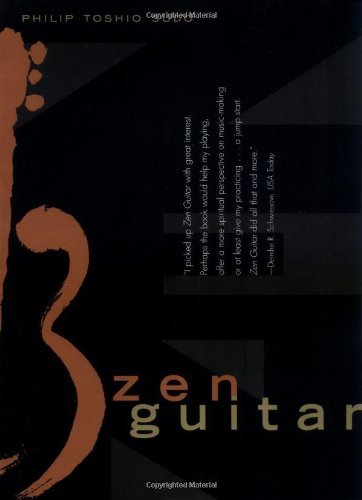
“Zen Guitar” by Philip Toshio Sudo offers a unique perspective on guitar playing by combining the art of guitar with the philosophy of Zen. This book is not about technique or theory; instead, it focuses on the mental and spiritual aspects of being a musician. Sudo’s approach encourages guitarists to find their own path and voice through mindfulness and discipline. It’s a refreshing read for any guitarist looking to connect more deeply with their instrument and music as a whole.
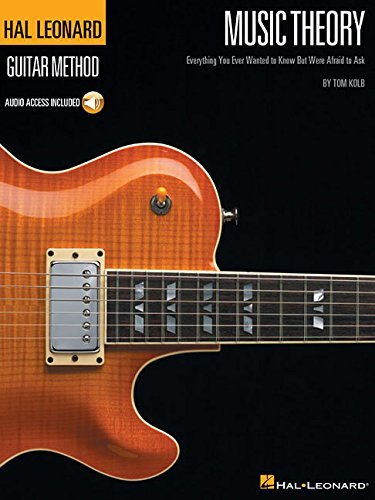
Understanding music theory is crucial for any serious guitarist, and “Music Theory for Guitarists” by Tom Kolb is one of the best books available on the subject. This book breaks down complex music theory concepts into easy-to-understand lessons specifically tailored for guitarists. It covers everything from scales and chords to reading music and understanding key signatures. The book is filled with exercises that help reinforce the theory being taught, making it a practical resource for both beginners and advanced players.
Key Features:
Guitar-specific approach to music theory
Easy-to-understand explanations
Practical exercises for reinforcement
Suitable for beginners to advanced players
8. Fingerstyle Guitar: New Techniques for the Modern Guitarist by Mark Hanson
Fingerstyle guitar is a beautiful and intricate style of playing, and “Fingerstyle Guitar” by Mark Hanson is an excellent guide for those interested in mastering this technique. The book covers various fingerstyle patterns, techniques, and exercises that will help players develop the necessary skills. Hanson’s approach is methodical, starting with basic patterns and gradually moving to more complex arrangements. This book is ideal for intermediate to advanced players who want to expand their repertoire and skill set.
Key Features:
Comprehensive guide to fingerstyle guitar
Methodical approach with progressive lessons
Suitable for intermediate to advanced players
Includes exercises and patterns for practice
Conclusion
Choosing the right acoustic guitar book depends largely on your current skill level and what you hope to achieve as a guitarist. Whether you’re a beginner looking for foundational knowledge, an intermediate player aiming to improve technique, or an advanced guitarist seeking to expand your creativity, the books mentioned above provide a wealth of knowledge and exercises to help you on your journey. Investing in these resources is a step towards becoming a more accomplished and versatile guitar player.
Learning the violin is often regarded as a formidable challenge, especially for beginners. The instrument’s reputation for being difficult stems from its complex mechanics, the precision required, and the time commitment necessary to achieve proficiency. However, with the right mindset, consistent practice, and understanding of the process, learning the violin is an achievable and rewarding journey.
[amazon bestseller =”learn the violin” items=”5″]
Understanding the Basics
The Anatomy of a Violin
Before diving into playing, it’s essential to familiarise yourself with the violin’s anatomy. Understanding the instrument’s components, such as the strings, fingerboard, bridge, and bow, provides a solid foundation for your learning process.
Parts of the Violin
The violin consists of several key parts: the body, neck, fingerboard, pegs, bridge, and strings. Each part has a specific function, contributing to the overall sound and playability of the instrument. Knowing how these parts work together is crucial for maintenance and sound production.
Importance of Knowing Your Instrument
A thorough knowledge of your violin allows you to troubleshoot common issues, make adjustments for better sound quality, and understand the physical aspects of playing, such as how different strings produce different tones.
How difficult is it to learn to play the violin as an adult?
Holding the Violin and Bow
Properly holding the violin and bow is a fundamental skill that impacts your ability to play comfortably and produce a good sound.
Proper Posture
Posture plays a significant role in violin playing. A relaxed yet firm stance, with the violin resting comfortably between your shoulder and chin, is essential. Poor posture can lead to discomfort and hinder your ability to play for extended periods.
Bow Grip Technique
The way you hold the bow affects the control and quality of the sound. A proper bow grip involves a balance between firmness and flexibility, allowing you to produce a clear and resonant tone.
Producing Your First Sound
Making your first sound on the violin is an exciting milestone. The technique you use, whether bowing or plucking, sets the stage for future development.
Bowing Techniques
Bowing is a primary method of producing sound on the violin. Learning to move the bow smoothly across the strings while maintaining consistent pressure and speed is crucial for creating a pleasant tone.
Plucking (Pizzicato) Method
Pizzicato, or plucking the strings, is another way to produce sound. This technique is often used in certain musical pieces and helps beginners understand string tension and tone production.
[amazon bestseller =”Beginner Violins” items=”3″]
The Initial Challenges
Coordination and Dexterity
Playing the violin requires a high level of coordination between your left hand, which handles the fingerboard, and your right hand, which controls the bow. Building this coordination is one of the initial hurdles for beginners.
Ear Training
Developing a good ear for music is essential for playing the violin. This skill allows you to recognise and correct pitch discrepancies, leading to more accurate playing.
Developing Pitch Accuracy
Pitch accuracy is critical when learning the violin. Unlike fretted instruments, the violin requires precise finger placement to produce the correct notes. Ear training helps you internalise the sound of each note, aiding in correct finger placement.
Reading Music
Reading sheet music is a skill that enhances your ability to learn new pieces and understand musical structure.
Understanding Notation
Learning to read music notation, including notes, rests, and dynamics, is essential for any violinist. This knowledge allows you to translate written music into physical playing.
Transitioning from Theory to Practice
Applying what you’ve learned from music theory to your instrument can be challenging. Regular practice bridges the gap between knowing what to do and actually doing it.
Building Muscle Memory
Muscle memory is developed through repetitive practice, allowing you to play notes and passages automatically without conscious effort. This is especially important for complex pieces where speed and accuracy are required.
The Importance of Consistent Practice
Establishing a Practice Routine
A structured practice routine is vital for steady progress. Consistency is key to mastering the violin, as each session builds upon the last.
Frequency and Duration
How often and how long you practice directly impacts your progress. Daily practice, even if brief, is more effective than sporadic, longer sessions.
Setting Achievable Goals
Setting small, attainable goals keeps you motivated and allows you to track your progress. These goals might include mastering a specific technique or learning a new piece.
Overcoming Frustration
Frustration is a common part of learning any instrument, and the violin is no exception. Knowing how to manage this frustration is essential for long-term success.
Mental Blocks
Mental blocks can occur when you hit a plateau or struggle with a particular technique. Breaking tasks into smaller steps and taking breaks can help overcome these challenges.
Physical Fatigue
Playing the violin can be physically demanding, especially on the hands and arms. Regular breaks and proper technique help prevent injury and fatigue.
Learn how to play the violin as an adult
Progressing Beyond the Basics
Mastering Intermediate Techniques
Once you’ve mastered the basics, it’s time to tackle more advanced techniques that add depth and expression to your playing.
Vibrato
Vibrato involves a slight oscillation of pitch, adding warmth and emotion to the sound. It’s a technique that requires patience and practice to master.
Shifting Positions
Shifting involves moving your left hand up and down the fingerboard to reach higher or lower notes. This skill expands your range and allows you to play more complex music.
Expanding Repertoire
Learning a variety of pieces not only makes practice more enjoyable but also exposes you to different styles and techniques.
Classical Pieces
Classical music is the backbone of violin repertoire. Starting with simple pieces and gradually working your way up to more challenging works is a common approach.
Modern and Folk Tunes
In addition to classical music, exploring modern and folk tunes can provide variety and help you apply your skills in different contexts.
Playing in Ensembles
Playing with others is a valuable experience that helps develop timing, listening skills, and the ability to blend with other instruments.
Chamber Music
Chamber music involves playing in small groups, such as duets, trios, or quartets. This setting allows for intimate musical exchanges and challenges your ability to listen and respond to others.
Orchestras and Bands
Joining an orchestra or band provides a broader experience, requiring you to follow a conductor and synchronize with a larger group of musicians.
Advanced Violin Mastery
Perfecting Intonation
Intonation refers to the accuracy of your pitch. At advanced levels, even slight deviations in pitch become noticeable, making intonation a key area of focus.
Advanced Bowing Techniques
Advanced bowing techniques add complexity and nuance to your playing.
Spiccato
Spiccato is a bowing technique where the bow bounces lightly on the string, producing a crisp, articulated sound. It requires precise control and timing.
Sautillé
Sautillé is a faster, more delicate bouncing bow technique that adds sparkle and lightness to your playing. Mastering this requires advanced bow control.
Emotional Expression
At the highest levels, violin playing becomes more about expressing emotion and interpreting the music than just playing the notes.
Interpretation of Music
Interpreting music involves understanding the composer’s intentions and adding your personal touch to the performance. This skill develops over time and with experience.
Stage Presence
Stage presence is about more than just playing the violin; it’s about engaging with your audience and delivering a compelling performance. Confidence, poise, and expression all contribute to a memorable stage presence.
Common Myths About Learning the Violin
“You Have to Start Young”
While it’s true that many great violinists start young, it’s never too late to learn the violin. Adults can achieve high levels of proficiency with dedication and practice.
“The Violin Is the Hardest Instrument to Learn”
The violin is challenging, but whether it’s the hardest instrument is subjective. Every instrument has its difficulties, and the key is finding enjoyment in the learning process.
“Self-Teaching Isn’t Effective”
While having a teacher is beneficial, self-teaching can be effective with the right resources and dedication. Many great musicians have been largely self-taught.
Conclusion
Learning the violin is undoubtedly a challenging endeavour, but it’s also one of the most rewarding. The key to overcoming the difficulties lies in consistent practice, a solid understanding of the basics, and a passion for music. Whether you’re just starting or looking to refine your skills, the journey of learning the violin is one that can bring a lifetime of joy and fulfilment.
[amazon box =”B0B14862FF”]
FAQs
How long does it take to learn the violin?
The time it takes to learn the violin varies widely depending on factors like practice time, prior musical experience, and individual aptitude. However, most learners can expect to reach a basic level of proficiency within 1-2 years of consistent practice.
Can adults learn the violin?
Absolutely! Adults can learn the violin with the same success as children. The key is a commitment to regular practice and a willingness to embrace the learning process.
Is it necessary to have a teacher?
While having a teacher can significantly accelerate your progress and ensure you’re learning proper techniques, it’s possible to learn the violin on your own with the right resources and discipline.
What is the best age to start learning the violin?
There’s no “best” age to start learning the violin. While many start as children, adults can also begin learning at any age and still achieve a high level of proficiency.
How much daily practice is required to progress?
Consistency is more important than duration. Even 20-30 minutes of focused practice each day can lead to steady progress. As you advance, you might find longer sessions beneficial.
The Ultimate Guide to Choosing the Best Beginner Guitar
So, you’ve decided to pick up the guitar, huh? That’s awesome! But before you start strumming away, you’ve got to find the right guitar to kick off your musical journey. Don’t worry; I’ve got your back. In this guide, we’ll break down everything you need to know about choosing the best beginner guitar, step by step.
Why Choosing the Right Beginner Guitar Matters
Starting with the right guitar can make or break your learning experience. Think of it like this: Would you run a marathon in flip-flops? Probably not. The same goes for playing guitar—you need the right tools to succeed. Having proper guitar lessons will help greatly also.
Acoustic guitars are the go-to for many beginners. Why? Because they’re simple, portable, and don’t require an amp. You can take them anywhere and start playing without worrying about cables or power sources.
Electric guitars, on the other hand, require an amp but offer a wider range of sounds. They’re perfect if you’re into rock, blues, or metal. Plus, they’re easier on your fingers since the strings are usually lighter.
Which One Should You Choose?
If you’re into folk, country, or singer-songwriter vibes, an acoustic guitar might be your best bet. If you’re dreaming of shredding like your favourite rock stars, go for an electric.
Size Matters: Finding the Right Guitar Size
Why Guitar Size is Important
Guitars come in different sizes, and picking the right one is crucial, especially for beginners. A guitar that’s too big or too small can make learning harder than it needs to be.
A good rule of thumb is to hold the guitar and see if you can comfortably reach the frets and strum the strings. If it feels awkward, try a different size.
Understanding Guitar Strings
Steel Strings vs. Nylon Strings
Steel Strings: Found on most acoustic and electric guitars, these are great for rock, pop, and country.
Nylon Strings: Typically found on classical guitars, these are softer on the fingers and better for classical and flamenco music.
Which One is Better for Beginners?
Steel strings are popular, but they can be tough on your fingers when you’re just starting out. Nylon strings are gentler, making them a good choice for beginners.
Budgeting: How Much Should You Spend on a Beginner Guitar?
Entry-Level Guitars
You don’t need to break the bank to get started. There are plenty of budget-friendly options that sound great and will last you a long time.
Mid-Range Guitars
If you’re serious about learning and have a bit more to spend, consider a mid-range guitar. They often have better build quality and sound.
Should You Buy New or Used?
Buying used can save you money, but be careful. Make sure the guitar is in good condition, with no cracks or major wear and tear.
If you want something unique, check out Martin Smith guitars. They offer a blend of traditional craftsmanship with modern features, perfect for beginners looking to stand out.
For something unique, the Martin Smith W-100 offers a blend of modern features and classic style, making it perfect for beginners looking to make a statement.
A budget-friendly electric guitar with a sleek design and easy playability.
Final Thoughts: Your Guitar Journey Starts Here
Choosing the right beginner guitar is the first step on your musical journey. Whether you go for an acoustic or electric, full-size or half-size, what matters most is that you start playing and enjoying the process. Remember, every guitar hero started where you are right now—so pick up that guitar, start strumming, and let the music take you wherever you want to go!
FAQs
1. What’s the best type of guitar for beginners?
Both acoustic and electric guitars are great for beginners. It depends on your musical preferences—acoustic for simplicity, electric for variety.
2. Do I need to buy an expensive guitar to start learning?
No, there are plenty of affordable options that are perfect for beginners. Focus on finding a guitar that’s comfortable and sounds good to you.
3. How often should I change guitar strings?
It depends on how often you play, but generally, every 3-6 months is a good rule of thumb.
4. Can kids start learning guitar on a full-size model?
It’s better for kids to start with a smaller guitar, like a ¾ or half-size, to make learning easier and more comfortable.
5. What’s the easiest way to learn guitar?
Start with basic chords and simple songs. Online tutorials, apps, and lessons with a teacher can also help guide you along the way.
As musicians, we understand the importance of finding the perfect guitar amplifier to shape and enhance our sound. The right amp can elevate your music to new heights, offering clarity, warmth, and the necessary punch for any setting. In this comprehensive guide, we delve into the best guitar amps of 2024, covering a variety of options that cater to all playing styles and performance needs.
The Evolution of Guitar Amplifiers in 2024
The landscape of guitar amplifiers has evolved rapidly, with manufacturers integrating cutting-edge technology to meet the diverse needs of modern guitarists when choosing the best budget guitar amps. This year, we’ve seen significant advancements in digital modeling, tube amplifier innovations, and hybrid designs that offer the best of both worlds. Whether you’re a seasoned professional or an aspiring guitarist, the amps of 2024 deliver unprecedented tonal flexibility, durability, and portability.
What Are The Best Guitar Amps of 2024? A Detailed Overview
The Fender Tonemaster Deluxe Reverb Guitar Amplifier.
Type: Digital Modeling Power: 22 Watts Speaker Configuration: 1×12″ Celestion Key Features: Lightweight, Built-in attenuator, Authentic tube tone simulation
The Fender Tonemaster Deluxe Reverb sets a new benchmark in digital modeling amplifiers. It replicates the legendary tone of Fender’s tube amps while offering the convenience of a lightweight design and advanced digital features. This amp is perfect for those seeking versatility without sacrificing the warmth and dynamics of traditional tube amps. With a built-in attenuator, you can dial in the perfect sound for any venue, from small clubs to large arenas.
Marshall continues to dominate the amplifier market with the Origin 20 Combo, a versatile tube amp that offers both classic and modern tones. The dual-channel design allows for seamless switching between clean and overdriven sounds, making it ideal for a wide range of genres. Its compact size and reverb feature make it a go-to choice for gigging musicians who demand reliable performance and tonal richness.
The Boss KTN-ART2 Katana Artist Mkii Guitar Combo Amplifier, 100W 1 X 12
Type: Solid State Power: 100 Watts Speaker Configuration: 1×12″ Custom Waza Key Features: Five distinct amp characters, Integrated effects, MIDI control
The Boss Katana Artist MkII continues to impress with its robust solid-state construction and unparalleled versatility. This amp is a powerhouse, featuring five unique amp characters that cover everything from shimmering cleans to high-gain distortion. The integrated effects and MIDI control expand its capabilities, making it a favourite among guitarists who need a reliable workhorse for both studio, stage and best guitar amps for home use.
Type: Tube Power: 100 Watts Speaker Configuration: No speaker, head unit only Key Features: High-gain, Spring reverb, FX loop
Orange amplifiers have long been celebrated for their distinctive sound, and the Rockerverb 1000 MKIII is no exception. This amp delivers lush, high-gain tones with a rich, harmonically complex overdrive that’s perfect for rock and metal genres. The spring reverb and FX loop add to its versatility, allowing for creative sound shaping in any setting. We think this is one of the best guitar amps.
Type: Digital Modeling Power: 10 Watts Speaker Configuration: Head unit only Key Features: Wireless connectivity, Bluetooth, Built-in rechargeable battery
The Yamaha GTHR5UK is the ultimate practice amp for guitarists on the go. Despite its compact size, it offers an impressive range of tones, thanks to Yamaha’s VCM technology. The wireless connectivity and built-in rechargeable battery make it incredibly convenient, allowing you to practice or perform anywhere without the hassle of cables. This has to be one of the best beginner guitar amps on the market.
The Vox Valvetronix VT40x Modeling Guitar Amplifier.
Type: Modeling Power: 40 Watts Speaker Configuration: 2×12″ Celestion Alnico Blue Key Features: Top boost channel, Tremolo, Classic chime
If you are wondering what’s the best budget guitar amp? The Vox Valvetronix VT40X remains an iconic choice for guitarists seeking the classic British chime and best affordable guitar amps. This amp’s top boost channel is renowned for its bright, articulate tones, making it a staple in genres like rock, pop, and indie. The tremolo feature and durable construction further solidify its status as a legendary amplifier that continues to inspire musicians worldwide.
How to Choose the Right Guitar Amp in 2024
When selecting a guitar amp, consider the following factors:
Power and Wattage
Home Practice: Amps with 10-30 watts are ideal for home use, offering enough volume without disturbing the neighbours.
Gigs and Performances: For live performances, consider amps with at least 40 watts to ensure your sound cuts through the mix.
Type of Amplifier
Tube Amps: Known for their warm, natural sound and dynamic response. Ideal for players who prioritise tone.
Solid State Amps: More reliable and often lighter than tube amps, offering consistent performance at a lower cost.
Digital Modeling Amps: Provide a wide range of tones and effects, perfect for versatile players who need multiple sounds.
Portability
Combo Amps: These are all-in-one units that combine the amp head and speaker in a single enclosure, making them easy to transport.
Amp Heads and Cabinets: Offers more flexibility in customising your setup, but may require more space and effort to transport.
Built-in Effects and Features
Look for amps with built-in effects like reverb, delay, and modulation, which can enhance your sound without needing additional pedals.
Connectivity: Amps with USB or Bluetooth connectivity allow for easy recording and playing along with backing tracks.
Music has an extraordinary power to evoke emotions, transcend boundaries, and connect people across cultures and generations. For those who love music, books offer a deep dive into the lives of musicians, the history of various genres, and the cultural impact of melodies that have shaped societies. Whether you’re a fan of classical symphonies, rock anthems, or jazz improvisations, there’s a book out there that resonates with your musical soul. This article explores the top must-read books for music lovers, providing a comprehensive list that caters to a wide range of musical tastes.
Nick Hornby’s High Fidelity is a quintessential read for anyone who has ever been obsessed with music. The protagonist, Rob Fleming, is a record store owner who measures his life in the songs that have accompanied his experiences. This novel dives into the complexities of relationships, self-reflection, and the comforting yet sometimes haunting power of music. Hornby’s witty and insightful prose captures the essence of what it means to be truly passionate about music, making it a must-read for any audiophile.
Just Kids by Patti Smith is not just an autobiography; it’s a poetic narrative of her early years in New York City and her close relationship with photographer Robert Mapplethorpe. Smith’s lyrical style, which mirrors her musical prowess, provides a vivid portrayal of the 1960s and 70s cultural scene. This book is a love letter to art, music, and the enduring friendship that shaped both her and Mapplethorpe’s careers. For anyone interested in the intersections of music, art, and personal growth, Just Kids is an essential read.
Keith Richards, the legendary guitarist of The Rolling Stones, offers an unfiltered look into his life in his autobiography, Life. This book is a treasure trove of anecdotes, from Richards’ early days growing up in post-war England to his rise to rock and roll stardom. His candid reflections on his struggles with addiction, his relationships within the band, and his undying love for music provide a raw and honest portrait of one of rock’s most enduring figures. Life is not just a memoir; it’s a piece of rock history.
Bruce Springsteen’s autobiography, Born to Run, is as powerful and poignant as his music. Springsteen takes readers on a journey through his humble beginnings in New Jersey, his rise to fame, and the emotional highs and lows that have influenced his iconic songs. The narrative is infused with the same passion and energy that Springsteen brings to his performances, making this book a compelling read for any fan of his work or rock music in general.
Bob Dylan, a Nobel laureate and one of the most influential songwriters of the 20th century, offers readers a glimpse into his creative process in Chronicles: Volume One. This memoir is not a straightforward autobiography but rather a series of snapshots from different periods in Dylan’s life. The book is rich with details about his early career, his thoughts on songwriting, and the cultural shifts that have shaped his music. Dylan’s unique voice and poetic style make Chronicles a fascinating read for anyone interested in the art of songwriting and the history of American music.
For those with a keen interest in classical music, The Rest Is Noise by Alex Ross is an essential read. This book offers a detailed exploration of 20th-century music, delving into the works of composers such as Strauss, Stravinsky, and Shostakovich. Ross examines how historical events, politics, and cultural changes influenced the development of classical music during this period. The Rest Is Noise is not just a history book; it’s an invitation to listen to the music of the last century with a deeper understanding and appreciation.
Punk rock revolutionised music in the 1970s, and Please Kill Me captures the raw energy and rebellious spirit of the movement. This book is an oral history, told through the voices of those who lived it, including members of The Ramones, Iggy Pop, and Patti Smith. McNeil and McCain compile these firsthand accounts to create a vivid and unflinching narrative of punk’s rise and its impact on the music industry. For anyone interested in the origins of punk and its lasting influence, Please Kill Me is an indispensable read.
This Is Your Brain on Music by Daniel J. Levitin offers a unique perspective on music by blending psychology, neuroscience, and music theory. Levitin, a neuroscientist and musician, explores how music affects our brains, why certain songs trigger emotional responses, and how our musical preferences are formed. This book is a must-read for those who want to understand the science behind their love for music and how it shapes our cognitive and emotional lives.
Kim Gordon, co-founder of the influential rock band Sonic Youth, shares her life story in Girl in a Band. This memoir delves into Gordon’s experiences in the male-dominated music industry, her creative process, and her personal life, including her marriage and eventual divorce from bandmate Thurston Moore. Gordon’s voice is introspective and candid, offering readers a rare glimpse into the life of one of rock’s pioneering women. Girl in a Band is an empowering read for anyone interested in the intersection of music, art, and feminism.
Love Is a Mixtape by Rob Sheffield is a heart-wrenching memoir that uses music as a lens to explore love and loss. Sheffield, a music journalist, recounts his relationship with his late wife through the mixtapes they shared. Each chapter is anchored by a different mixtape, weaving together memories of their life together with reflections on the songs that defined their relationship. This book is a poignant reminder of how music can encapsulate our most profound experiences and emotions.
Led Zeppelin is one of the most iconic rock bands in history, and Hammer of the Gods by Stephen Davis provides an in-depth look at their meteoric rise and tumultuous career. This biography covers the band’s formation, their groundbreaking albums, and the controversies that surrounded them, from wild tours to the tragic death of drummer John Bonham. Davis’ account is detailed and immersive, making it a must-read for any Led Zeppelin fan or rock enthusiast.
Mötley Crüe’s The Dirt is not for the faint-hearted. This autobiography, co-written by the band members and Neil Strauss, lays bare the excesses, scandals, and raw ambition that characterised the band’s journey to stardom. From tales of debauchery to moments of introspection, The Dirt is an unflinching look at the highs and lows of rock and roll life. It’s a gripping read for anyone fascinated by the darker side of the music industry.