


Top 5 Beginner Piano Books for Children
Are you asking yourself “What is the best book for a beginner piano?”, “What piano piece should I learn as a beginner?” or “Can I learn piano with just book?”, well done’t worry, we have a selection of suitable piano books for beginners that will help. When it comes to introducing your child to the world of music, choosing the right beginner piano book is crucial.
With so many options available, it can be overwhelming to decide which one is best for your child. This guide will walk you through the top 5 beginner piano books for children, highlighting their pros and cons to help you make an informed choice. Whether your child is just starting out or needs to refine their skills, these books offer the perfect balance of fun and education. These books are perfect for your child to use when having piano lessons with a professional music teacher.

Our favourite book for younger piano beginners.
1. My First Piano Book: A Fun Introduction for Very Young Beginners
Pros:
- Age-appropriate design: Tailored for young learners aged 4-7.
- Engaging illustrations:Keeps children interested and motivated.
- Comprehensive learning: Combines keyboard fundamentals with music theory.
Cons:
- Pace: Some parents find the pace too slow for older beginners.
- Content depth: Might be too basic for children with prior music experience.
Why Choose This Book? A beginner’s piano music book specifically designed for children aged 4 to 7 years old. It tells the story of seven animals, each one representing a musical note. The book is filled with colourful illustrations and stories connected to musical concepts, making it easy for kids to understand and remember them. It includes a diverse collection of pieces, worksheets, fun games and art and craft activities, sequentially organised, providing a gentle learning pace, especially during the initial stages. Students are guided to develop fluency in symbol-to-sound recognition, enhance finger dexterity and coordination, sharpen auditory perception and develop musical creativity. The presented method is a valuable resource for piano teachers, being particularly beneficial for those new to teaching this age group, as it provides guidance on effective strategies for piano lessons and appropriate content selection.
You can read more about the book here: https://camilavalerio.com/my-first-piano-book/
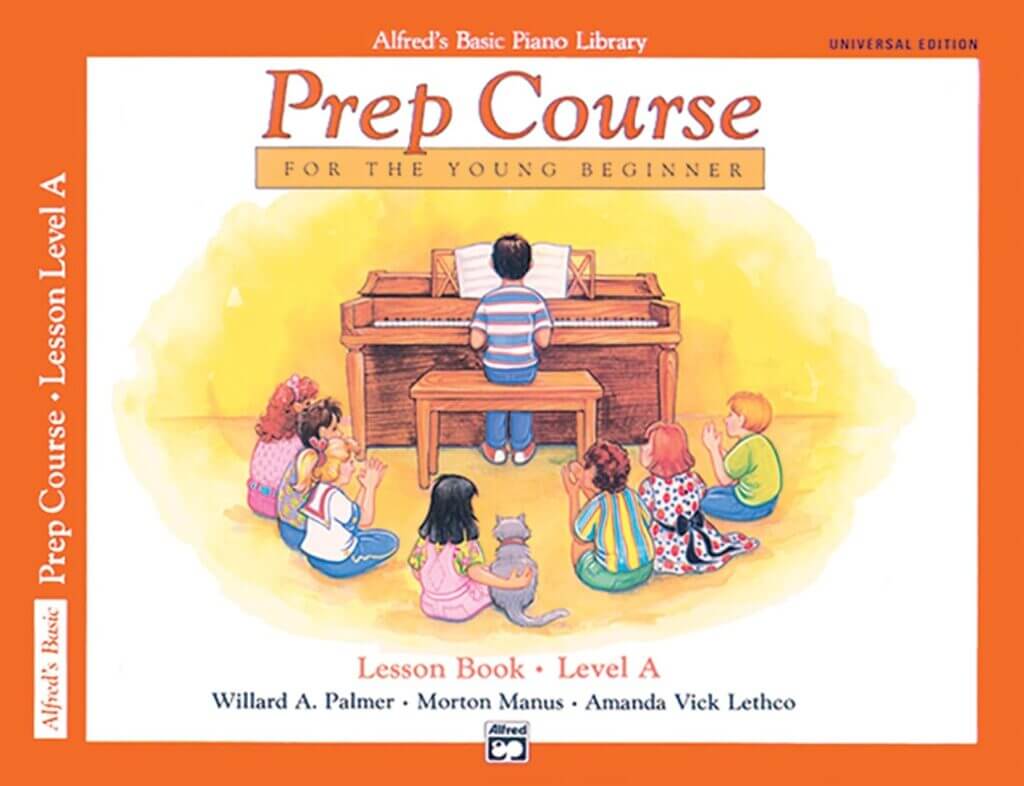

2. Alfred’s Basic Piano Library: Prep Course for the Young Beginner
Pros:
- Structured progression: Gradual increase in difficulty, ensuring steady progress.
- Visual aids: Large, clear notation with simple explanations.
- Flexibility: Can be used for self-study or with a teacher.
Cons:
- Repetitive: Some lessons may feel repetitive for quick learners.
- Limited creativity: Focuses more on technique than creative expression.
Why Choose This Book? Alfred’s Basic Piano Library is ideal for children who need a solid foundation in piano playing. The step-by-step approach is particularly useful for beginners, ensuring that they develop strong fundamental skills before moving on to more complex concepts.
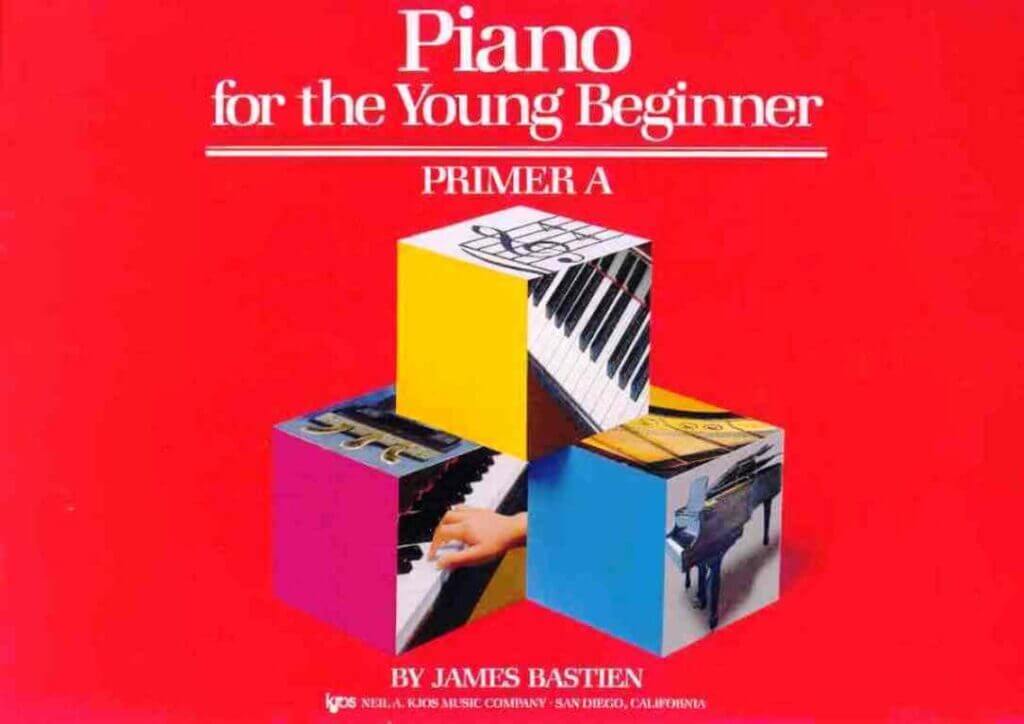

3. Bastien Piano Basics: Primer Level
Pros:
- Easy-to-follow: Simple instructions that are easy for children to understand.
- Colourful illustrations: Engages children and makes learning fun.
- Holistic approach: Integrates sight-reading, rhythm, and ear training.
Cons:
- Fast progression: May be challenging for very young beginners.
- Lack of audio: No accompanying audio tracks, which some children may find less engaging.
Why Choose This Book? Bastien Piano Basics is a popular choice for its clear instructions and comprehensive approach to piano education. It’s perfect for parents looking to provide their children with a well-rounded introduction to mastering the piano book.
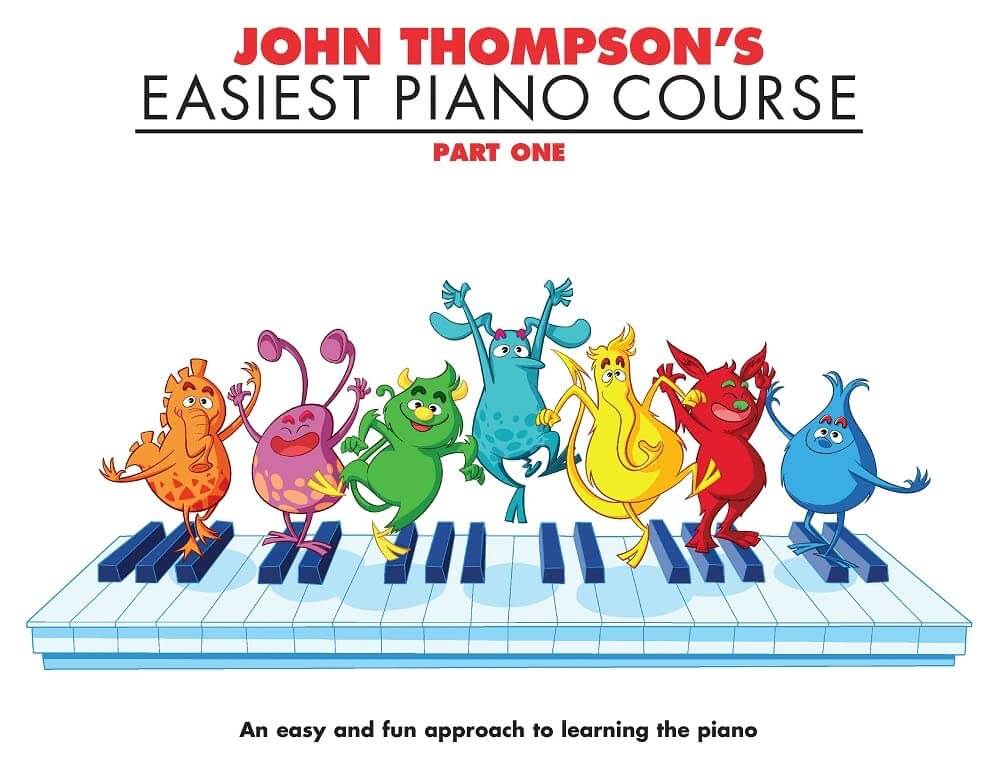

4. John Thompson’s Easiest Piano Course
Pros:
- Fun characters: The book features lively characters that guide children through their lessons.
- Simple songs: Easy-to-play songs that are familiar to children, boosting their confidence.
- Gradual learning curve: Introduces concepts slowly, making it less intimidating for beginners.
Cons:
- Old-fashioned style: Some of the illustrations and songs may feel outdated.
- Limited variety: Focuses heavily on traditional pieces, which might not appeal to all children.
Why Choose This Book? John Thompson’s Easiest Piano Course is a classic choice that has stood the test of time. The course’s straightforward, child-friendly approach makes it a reliable option for young beginners, particularly those who may be apprehensive about learning the piano. We strongly recommend the Thompsons easiest piano course.
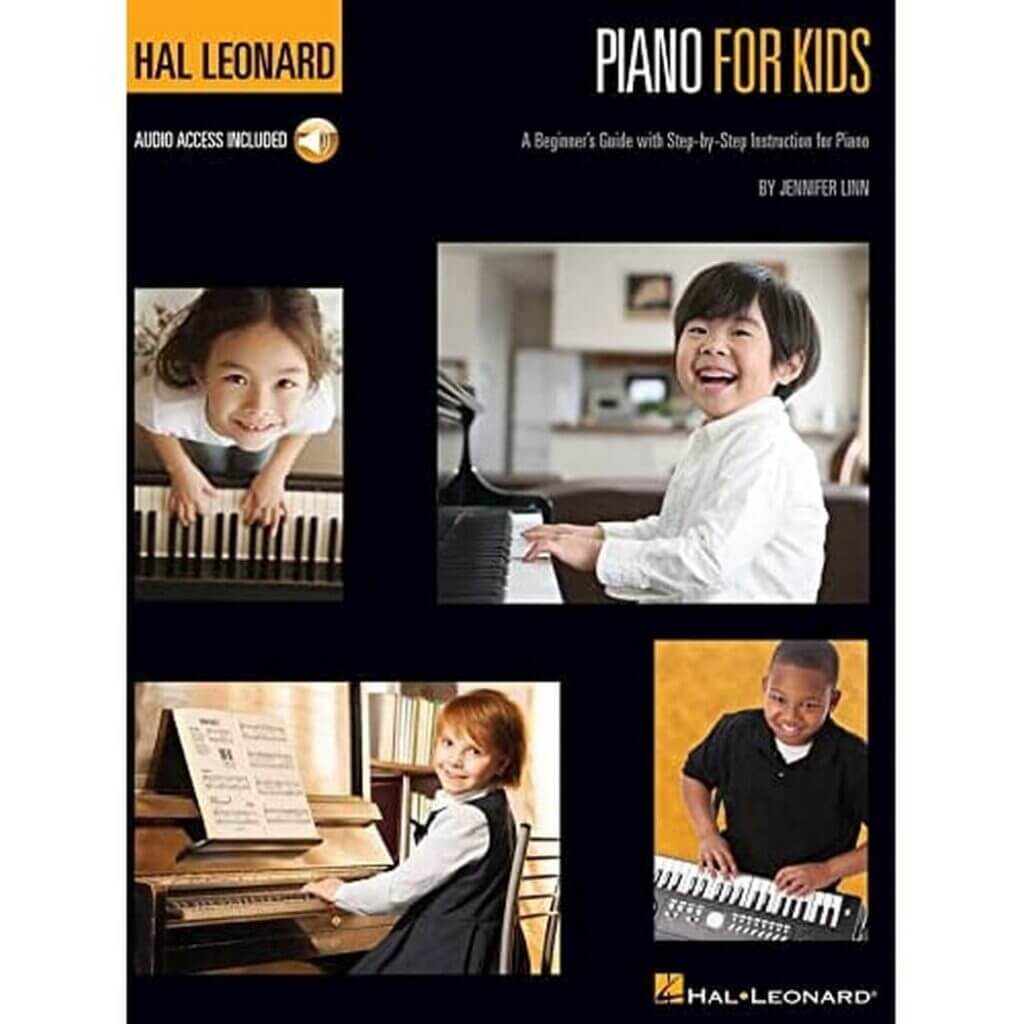

5. Hal Leonard Piano for Kids: A Beginner Course
Pros:
- Modern approach: Includes contemporary songs that children love.
- Interactive learning: Comes with online access to audio tracks and video lessons.
- Visual learning aids: Colourful illustrations and diagrams that simplify learning.
Cons:
- Digital reliance: Heavy emphasis on online resources might be a downside for some families.
- Less focus on theory: Prioritises playing over comprehensive music theory education.
Why Choose This Book? Hal Leonard’s Piano for Kids is a fantastic option for modern learners. The inclusion of popular songs and digital resources keeps children engaged, making piano practice something they look forward to. It’s especially great for tech-savvy families who want to integrate technology into their child’s learning.
Choose the Best Piano Book for Your Child
Choosing the right beginner piano book for your child is an important step in their musical journey. Each of the books listed above has its strengths and is tailored to different learning styles and age groups. Whether you’re looking for a book with a strong theoretical foundation or one that emphasises fun and creativity, there’s an option here for every child. The Hal Leonard Student Piano Library is an excellent choice for most learners.
For piano lessons in Edinburgh, Morningside School of Music have been raising musical excellence since 1999.
[amazon bestseller =”Piano Books For Children” items=”5″]


