


The Best Music University Courses in the World
Music is an art form that transcends boundaries, cultures, and languages. For those who wish to master this craft, choosing the right university and course is crucial. The world is home to many prestigious music schools, each offering unique programs that cater to different musical interests and career aspirations. In this comprehensive guide, we explore the best music university courses globally, providing detailed insights into their programs, faculty, facilities, and what makes them stand out.

Juilliard School of Music in New York
Juilliard School, USA
Founded in 1905, the Juilliard School in New York City is one of the most prestigious music schools in the world. It offers a wide range of courses, from classical to contemporary music, ensuring students receive a well-rounded education. The school is renowned for its rigorous admissions process, exceptional faculty, and state-of-the-art facilities.
Courses Offered:
- Bachelor of Music (BM)
- Master of Music (MM)
- Doctor of Musical Arts (DMA)
- Artist Diploma (AD)
Key Features:
- Renowned Faculty: Juilliard boasts a faculty of accomplished musicians and educators who provide personalised mentorship to students.
- Performance Opportunities: Students have numerous opportunities to perform in world-class venues, including the Lincoln Center.
- Comprehensive Curriculum: The curriculum is designed to develop technical skills, artistic expression, and academic knowledge.

Berklee College of Music in Boston, Massachusetts.
Berklee College of Music, USA
Berklee College of Music, located in Boston, Massachusetts, is synonymous with contemporary music education. Known for its innovative programs and diverse student body, Berklee offers courses that cover various genres, from jazz and rock to electronic music and film scoring.
Courses Offered:
- Bachelor of Music (BM)
- Master of Music (MM)
- Online Degrees and Certificates
Key Features:
- State-of-the-Art Facilities: Berklee provides students with cutting-edge studios, performance spaces, and technology.
- Industry Connections: The college maintains strong ties with the music industry, offering students opportunities for internships and networking.
- Global Campus: Berklee has a campus in Valencia, Spain, providing students with a unique international study experience.

Royal College of Music, UK
The Royal College of Music (RCM) in London is a leading conservatoire that offers an exceptional education in classical music. With a rich history and a commitment to excellence, RCM prepares students for successful careers in music performance, composition, and education.
Courses Offered:
- Bachelor of Music (BMus)
- Master of Performance (MPerf)
- Master of Composition (MComp)
- Artist Diploma (ArtDip)
Key Features:
- Distinguished Faculty: RCM’s faculty includes some of the most respected musicians and educators in the world.
- Performance Excellence: Students have access to numerous performance opportunities in prestigious venues.
- Historical Legacy: The college has a storied history of producing world-class musicians.
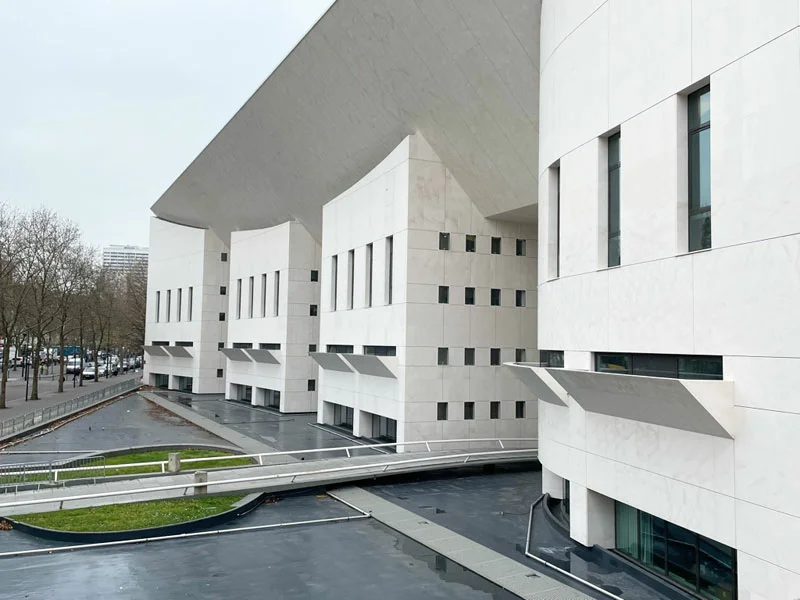
Conservatoire de Paris, France.
Conservatoire de Paris, France
The Conservatoire de Paris, also known as the Paris Conservatory, is one of the most esteemed music institutions in Europe. It offers a wide range of programs, focusing primarily on classical music education.
Courses Offered:
- Diplôme de Formation Supérieure (DFS)
- Master’s Programs
- Doctoral Programs
Key Features:
- Rich Cultural Heritage: Located in the heart of Paris, the conservatory is steeped in French musical tradition.
- Renowned Alumni: Many of the world’s greatest musicians have studied at the Conservatoire de Paris.
- Comprehensive Training: The conservatory provides extensive training in performance, theory, and musicology.

University of Music and Performing Arts Vienna.
University of Music and Performing Arts Vienna, Austria
Vienna’s University of Music and Performing Arts (MDW) is a premier institution for music education, known for its strong emphasis on both classical and contemporary music. It offers a wide variety of programs aimed at developing the next generation of musicians.
Courses Offered:
- Bachelor’s Programs
- Master’s Programs
- Doctoral Programs
Key Features:
- International Reputation: MDW is recognised globally for its excellence in music education.
- Diverse Curriculum: The university offers a broad range of courses in performance, composition, conducting, and more.
- Cultural Hub: Located in Vienna, a city with a rich musical history, students are immersed in a vibrant cultural scene.

Sibelius Academy, Finland.
Sibelius Academy, Finland
The Sibelius Academy in Helsinki is Finland’s premier music university, offering top-tier education in various musical disciplines. Named after the famous Finnish composer Jean Sibelius, the academy is known for its innovative approach to music education.
Courses Offered:
- Bachelor of Music (BM)
- Master of Music (MM)
- Doctor of Music (DMus)
Key Features:
- Cutting-Edge Research: The academy is involved in groundbreaking research in musicology and music education.
- Diverse Programs: Offers courses in classical music, jazz, folk music, and music technology.
- Collaborative Environment: Encourages collaboration between students and faculty, fostering a dynamic learning atmosphere.

Curtis Institute of Music, Philadelphia.
Curtis Institute of Music, USA
Located in Philadelphia, the Curtis Institute of Music is known for its highly selective admissions process and full-tuition scholarships for all students. Curtis focuses on providing individualised instruction to a small, select group of students.
Courses Offered:
- Bachelor of Music (BM)
- Master of Music (MM)
- Diplomas and Certificates
Key Features:
- Selective Admissions: Curtis accepts only the most talented musicians, ensuring a high level of peer collaboration.
- Full-Tuition Scholarships: Every student receives a full-tuition scholarship, emphasising merit-based education.
- Personalised Instruction: Small class sizes allow for one-on-one mentorship and intensive training.

Tokyo University of the Arts, Japan.
Tokyo University of the Arts, Japan
Tokyo University of the Arts (Tokyo Geidai) is Japan’s leading institution for music and arts education. It offers comprehensive programs that blend traditional Japanese music with Western classical music.
Courses Offered:
- Bachelor’s Programs
- Master’s Programs
- Doctoral Programs
Key Features:
- Cultural Integration: Programs integrate traditional Japanese music with contemporary practices.
- Renowned Faculty: Faculty members are distinguished artists and educators in their fields.
- International Collaboration: The university fosters international partnerships, providing students with global opportunities.
Choosing the Best Music University
Selecting the right music university involves considering several factors, including the institution’s reputation, the quality of its faculty, the range of courses offered, and the opportunities for performance and professional development. It is essential to choose a university that aligns with your musical interests and career goals.
Key Considerations:
- Specialisation: Ensure the university offers strong programs in your area of interest, whether it be performance, composition, or music education.
- Faculty: Research the faculty members and their areas of expertise. A good mentor can significantly impact your development as a musician.
- Facilities: Look for institutions with state-of-the-art facilities, including practice rooms, studios, and performance spaces.
- Opportunities: Consider the performance and networking opportunities available to students. Connections in the music industry can be invaluable.


