Music has an extraordinary power to evoke emotions, transcend boundaries, and connect people across cultures and generations. For those who love music, books offer a deep dive into the lives of musicians, the history of various genres, and the cultural impact of melodies that have shaped societies. Whether you’re a fan of classical symphonies, rock anthems, or jazz improvisations, there’s a book out there that resonates with your musical soul. This article explores the top must-read books for music lovers, providing a comprehensive list that caters to a wide range of musical tastes.
Nick Hornby’s High Fidelity is a quintessential read for anyone who has ever been obsessed with music. The protagonist, Rob Fleming, is a record store owner who measures his life in the songs that have accompanied his experiences. This novel dives into the complexities of relationships, self-reflection, and the comforting yet sometimes haunting power of music. Hornby’s witty and insightful prose captures the essence of what it means to be truly passionate about music, making it a must-read for any audiophile.
Just Kids by Patti Smith is not just an autobiography; it’s a poetic narrative of her early years in New York City and her close relationship with photographer Robert Mapplethorpe. Smith’s lyrical style, which mirrors her musical prowess, provides a vivid portrayal of the 1960s and 70s cultural scene. This book is a love letter to art, music, and the enduring friendship that shaped both her and Mapplethorpe’s careers. For anyone interested in the intersections of music, art, and personal growth, Just Kids is an essential read.
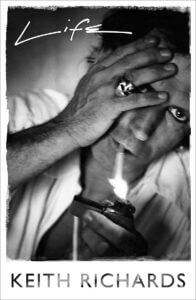
Keith Richards, the legendary guitarist of The Rolling Stones, offers an unfiltered look into his life in his autobiography, Life. This book is a treasure trove of anecdotes, from Richards’ early days growing up in post-war England to his rise to rock and roll stardom. His candid reflections on his struggles with addiction, his relationships within the band, and his undying love for music provide a raw and honest portrait of one of rock’s most enduring figures. Life is not just a memoir; it’s a piece of rock history.
Bruce Springsteen’s autobiography, Born to Run, is as powerful and poignant as his music. Springsteen takes readers on a journey through his humble beginnings in New Jersey, his rise to fame, and the emotional highs and lows that have influenced his iconic songs. The narrative is infused with the same passion and energy that Springsteen brings to his performances, making this book a compelling read for any fan of his work or rock music in general.
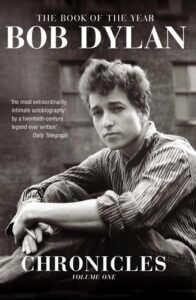
Bob Dylan, a Nobel laureate and one of the most influential songwriters of the 20th century, offers readers a glimpse into his creative process in Chronicles: Volume One. This memoir is not a straightforward autobiography but rather a series of snapshots from different periods in Dylan’s life. The book is rich with details about his early career, his thoughts on songwriting, and the cultural shifts that have shaped his music. Dylan’s unique voice and poetic style make Chronicles a fascinating read for anyone interested in the art of songwriting and the history of American music.
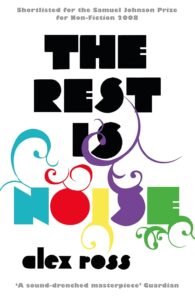
For those with a keen interest in classical music, The Rest Is Noise by Alex Ross is an essential read. This book offers a detailed exploration of 20th-century music, delving into the works of composers such as Strauss, Stravinsky, and Shostakovich. Ross examines how historical events, politics, and cultural changes influenced the development of classical music during this period. The Rest Is Noise is not just a history book; it’s an invitation to listen to the music of the last century with a deeper understanding and appreciation.
Punk rock revolutionised music in the 1970s, and Please Kill Me captures the raw energy and rebellious spirit of the movement. This book is an oral history, told through the voices of those who lived it, including members of The Ramones, Iggy Pop, and Patti Smith. McNeil and McCain compile these firsthand accounts to create a vivid and unflinching narrative of punk’s rise and its impact on the music industry. For anyone interested in the origins of punk and its lasting influence, Please Kill Me is an indispensable read.
This Is Your Brain on Music by Daniel J. Levitin offers a unique perspective on music by blending psychology, neuroscience, and music theory. Levitin, a neuroscientist and musician, explores how music affects our brains, why certain songs trigger emotional responses, and how our musical preferences are formed. This book is a must-read for those who want to understand the science behind their love for music and how it shapes our cognitive and emotional lives.
Kim Gordon, co-founder of the influential rock band Sonic Youth, shares her life story in Girl in a Band. This memoir delves into Gordon’s experiences in the male-dominated music industry, her creative process, and her personal life, including her marriage and eventual divorce from bandmate Thurston Moore. Gordon’s voice is introspective and candid, offering readers a rare glimpse into the life of one of rock’s pioneering women. Girl in a Band is an empowering read for anyone interested in the intersection of music, art, and feminism.
Love Is a Mixtape by Rob Sheffield is a heart-wrenching memoir that uses music as a lens to explore love and loss. Sheffield, a music journalist, recounts his relationship with his late wife through the mixtapes they shared. Each chapter is anchored by a different mixtape, weaving together memories of their life together with reflections on the songs that defined their relationship. This book is a poignant reminder of how music can encapsulate our most profound experiences and emotions.
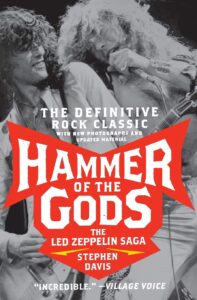
Led Zeppelin is one of the most iconic rock bands in history, and Hammer of the Gods by Stephen Davis provides an in-depth look at their meteoric rise and tumultuous career. This biography covers the band’s formation, their groundbreaking albums, and the controversies that surrounded them, from wild tours to the tragic death of drummer John Bonham. Davis’ account is detailed and immersive, making it a must-read for any Led Zeppelin fan or rock enthusiast.
Mötley Crüe’s The Dirt is not for the faint-hearted. This autobiography, co-written by the band members and Neil Strauss, lays bare the excesses, scandals, and raw ambition that characterised the band’s journey to stardom. From tales of debauchery to moments of introspection, The Dirt is an unflinching look at the highs and lows of rock and roll life. It’s a gripping read for anyone fascinated by the darker side of the music industry.
The world of rock music is filled with legendary instruments that have shaped the sound and culture of generations. Among these, certain guitars stand out not only for their unique sound but also for their significant role in music history. This article delves into the stories behind some of the top 20 guitars in the world celebrating their contributions to the world of music.
Eric Clapton’s ‘Blackie’.
1. Eric Clapton’s “Blackie”
Eric Clapton’s “Blackie” is one of the most famous guitars in rock history. This Fender Stratocaster was pieced together by Clapton himself from three different Stratocasters he bought in Nashville. Clapton played “Blackie” from 1970 to 1985, and it became his main instrument during this period. The guitar is renowned for its distinctive sound and its role in Clapton’s performances and recordings, including the iconic “Layla” and “Wonderful Tonight.”
The Creation of Blackie
Clapton’s decision to create “Blackie” came after he fell in love with the sound of the Fender Stratocaster. He bought six vintage Strats for $100 each and gave three away to friends, including George Harrison, Pete Townshend, and Steve Winwood. The remaining three were used to build “Blackie.” The guitar’s body and neck were from different years, which contributed to its unique sound.
Blackie’s Legacy
In 2004, Clapton auctioned “Blackie” to raise funds for his Crossroads Centre, a drug and alcohol rehabilitation centre. The guitar sold for $959,500, setting a new record at the time for the most expensive guitar sold at auction. “Blackie” remains a symbol of Clapton’s career and his influence on rock music.
The Jimi Hendrix Monterey Strat.
2. Jimi Hendrix’s Monterey Stratocaster
Jimi Hendrix‘s performance at the Monterey Pop Festival in 1967 is one of the most legendary moments in rock history. Hendrix closed his set by setting his Fender Stratocaster on fire, creating an unforgettable image that encapsulated the spirit of the era.
The Monterey Performance
Hendrix’s Monterey Stratocaster was painted with psychedelic designs, reflecting the vibrant culture of the 1960s. The guitar’s sacrificial end was a statement of Hendrix’s theatrical performance style and his innovative approach to music. The burnt remains of the guitar are now preserved, serving as a testament to Hendrix’s explosive impact on the music world.
Cultural Impact
The Monterey Stratocaster is often cited as one of the most famous guitars because of the bold statement it represented. Hendrix’s performance at Monterey helped solidify his reputation as one of the greatest guitarists of all time, and the image of him setting his guitar on fire has become an iconic symbol of rock and roll rebellion.
Jimmy Page’s ‘Number One’.
3. Jimmy Page’s “Number One” Les Paul
Jimmy Page, the legendary guitarist of Led Zeppelin, is known for his mastery of the Gibson Les Paul. His most famous guitar, known as “Number One,” is a 1959 Gibson Les Paul Standard. This instrument is revered for its rich tone and its role in creating some of rock’s most memorable riffs.
The Acquisition of Number One
Page acquired “Number One” in 1969 from Joe Walsh of the Eagles. The guitar quickly became his main instrument and was used extensively during Led Zeppelin’s rise to fame. “Number One” is known for its warm, powerful sound, which helped define the band’s heavy rock sound.
Historic Performances
“Number One” was used in the recording of many of Led Zeppelin’s greatest hits, including “Stairway to Heaven,” “Whole Lotta Love,” and “Kashmir.” The guitar’s distinctive look and sound have made it one of the most recognised instruments in rock history.
B.B. King’s ‘Lucille’.
4. B.B. King’s “Lucille”
B.B. King’s Gibson ES-355, affectionately named “Lucille,” is one of the most iconic guitars in blues music. The name “Lucille” was inspired by a near-death experience King had in a nightclub fire. He ran back into the burning building to save his guitar, which he then named “Lucille” to remind himself never to do something so reckless again.
The Evolution of Lucille
Over the years, King played several guitars named “Lucille.” The most famous version is the custom-built Gibson ES-355, which King used from the late 1960s until his death in 2015. “Lucille” is known for its smooth, rich tone, which was a perfect match for King’s emotive playing style.
Legacy of Lucille
“Lucille” was more than just a guitar; it was a symbol of B.B. King’s deep connection to his music and his roots in the blues. The guitar helped King achieve a distinctive sound that influenced countless musicians and left an indelible mark on the music world.
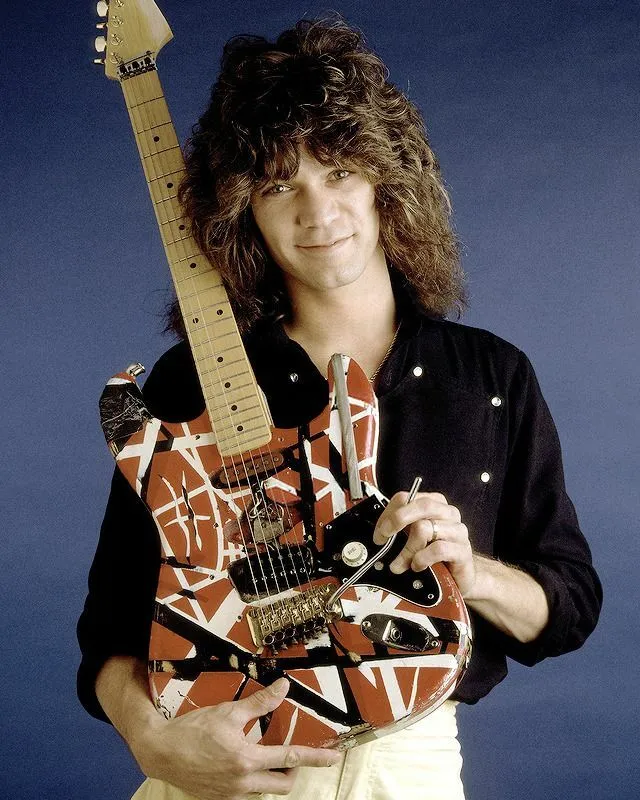
The Van Halen ‘Frankenstrat’.
5. Eddie Van Halen’s “Frankenstrat”
Eddie Van Halen’s “Frankenstrat” is one of the most unique and innovative guitars in rock history. This custom-built guitar combined elements of a Fender Stratocaster and a Gibson, resulting in a hybrid instrument that perfectly suited Van Halen’s revolutionary playing style.
The Creation of Frankenstrat
Van Halen built the “Frankenstrat” using a body from a Stratocaster and a neck from a Gibson. He painted the guitar with a distinctive red, white, and black striped design, making it instantly recognisable. The guitar featured a single humbucker pickup, which gave it a powerful, cutting tone.
Influence on Rock Music
The “Frankenstrat” was used in the recording of many of Van Halen’s greatest hits, including “Eruption” and “Panama.” The guitar’s innovative design and Van Halen’s virtuosic playing style had a profound impact on the development of rock guitar techniques and inspired generations of musicians.
Brian May’s ‘Red Special’.
6. Brian May’s “Red Special”
Brian May’s “Red Special” is a truly unique instrument, hand-built by May and his father in the early 1960s. This guitar has a distinctive tone and appearance, making it one of the most recognisable guitars in rock music.
Construction and Design
The “Red Special” was constructed using unconventional materials, including wood from an old fireplace and parts from a motorcycle. The guitar features custom-made pickups and a unique switching system, allowing May to produce a wide range of sounds.
Legacy and Impact
Brian May used the “Red Special” throughout his career with Queen, playing it on iconic tracks such as “Bohemian Rhapsody” and “We Will Rock You.” The guitar’s distinctive sound and May’s virtuosic playing have made it a symbol of musical creativity and innovation.
The ‘Black Strat’.
7. David Gilmour’s Black Strat
David Gilmour’s Black Strat, a 1969 Fender Stratocaster, is an essential part of Pink Floyd’s sound. This guitar has been used on some of the band’s most famous recordings and live performances.
The Evolution of the Black Strat
Gilmour acquired the Black Strat in 1970, and it has undergone numerous modifications over the years, including changes to the pickups and electronics. These modifications contributed to the guitar’s unique sound, which became a defining element of Pink Floyd’s music.
Historic Recordings
The Black Strat was used in the recording of Pink Floyd’s seminal albums, including “The Dark Side of the Moon,” “Wish You Were Here,” and “The Wall.” Its rich, versatile tone can be heard on tracks like “Comfortably Numb” and “Shine On You Crazy Diamond,” cementing its place in rock history.
The Keith Richards ‘Micawber’ Telecaster.
8. Keith Richards’ Micawber
Keith Richards of The Rolling Stones is known for his distinctive playing style and his favourite guitar, “Micawber,” a 1953 Fender Telecaster. This guitar is integral to Richards’ sound and has become synonymous with his musical identity.
Unique Modifications
Richards’ “Micawber” has been heavily modified, including the addition of a humbucker pickup in the neck position and the removal of the original bridge pickup. These changes give the guitar a thick, powerful tone that is perfect for Richards’ riff-driven playing style.
Signature Songs
“Micawber” has been used on many of The Rolling Stones’ greatest hits, including “Brown Sugar” and “Honky Tonk Women.” The guitar’s raw, gritty sound is a perfect match for Richards’ blues-influenced rock and roll style.
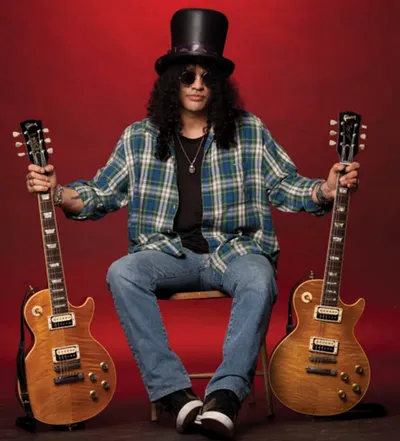
Slash with his ‘Appetite for Destruction’ Les Pauls.
9. Slash’s “Appetite” Les Paul
Slash, the legendary guitarist of Guns N’ Roses, is best known for his “Appetite” Les Paul, which he used during the recording of the band’s debut album, “Appetite for Destruction.”
The Story Behind the Guitar
Contrary to popular belief, the “Appetite” Les Paul is not a vintage Gibson but a replica made by luthier Kris Derrig. Despite this, the guitar has an incredible tone that contributed to the success of “Appetite for Destruction.”
Iconic Performances
Slash used the “Appetite” Les Paul to create some of rock’s most memorable riffs and solos, including those on “Sweet Child O’ Mine” and “Welcome to the Jungle.” The guitar’s searing tone and Slash’s fiery playing style helped define the sound of late 1980s rock.
The SRV Number One.
10. Stevie Ray Vaughan’s “Number One” Stratocaster
Stevie Ray Vaughan’s “Number One” Stratocaster, also known as “First Wife,” is a cornerstone of his blues-rock sound. This 1963 Fender Stratocaster was Vaughan’s main guitar throughout his career.
Characteristics and Modifications
“Number One” features a thick neck and high-output pickups, which contributed to Vaughan’s powerful, expressive playing style. The guitar also has a distinctive look, with its well-worn body and “SRV” initials on the pickguard.
Influence on Blues-Rock
Vaughan used “Number One” on many of his most famous recordings, including “Pride and Joy” and “Texas Flood.” The guitar’s soulful tone and Vaughan’s masterful technique have made it one of the most iconic instruments in blues-rock history.
George Harrison and his ‘Rocky’ Fender Strat.
11. George Harrison’s “Rocky” Stratocaster
George Harrison’s “Rocky” Stratocaster is a psychedelic masterpiece that reflects the cultural changes of the 1960s. This 1961 Fender Stratocaster was hand-painted by Harrison in bright, swirling colours.
Artistic Transformation
Harrison acquired the guitar in 1965 and transformed it into “Rocky” during the height of the psychedelic era. The guitar’s vibrant design made it a visual and musical icon of the time.
Memorable Moments
“Rocky” was used in the recording of several Beatles tracks, including “Lucy in the Sky with Diamonds” and “All You Need Is Love.” The guitar’s colorful appearance and Harrison’s innovative playing style have made it a symbol of the 1960s counterculture.
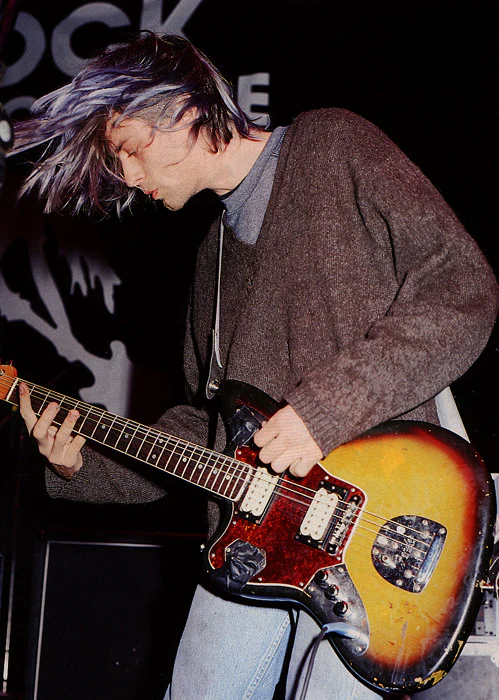
Kurt’s Fender Jaguar.
12. Kurt Cobain’s Jaguar
Kurt Cobain’s Fender Jaguar, a 1965 model, is one of the most famous guitars in alternative rock. This guitar played a key role in the sound of Nirvana, particularly on their breakthrough album “Nevermind.”
Distinctive Features
Cobain’s Jaguar featured custom modifications, including a humbucker pickup in the bridge position and a unique switching system. These changes gave the guitar a raw, edgy sound that was perfect for Nirvana’s grunge aesthetic.
Grunge Anthem
The Jaguar was used extensively on “Nevermind,” including on the iconic track “Smells Like Teen Spirit.” The guitar’s powerful, gritty tone helped define the sound of the 1990s alternative rock movement and remains an enduring symbol of the era.
Tony Iommi and his ‘Monkey’ SG.
13. Tony Iommi’s “Monkey” SG
Tony Iommi’s Gibson SG, affectionately known as “Monkey,” is a cornerstone of heavy metal. This guitar has been synonymous with Black Sabbath’s dark, heavy sound since the band’s inception.
Unique Modifications
Iommi’s “Monkey” SG features custom modifications, including extra-light strings and a zero fret, to accommodate his unique playing style and the fact that he lost the tips of two fingers in an accident. These adjustments allowed him to produce the powerful, sustained notes that characterise Black Sabbath’s music.
Heavy Metal Pioneer
“Monkey” was used on many of Black Sabbath’s classic tracks, including “Paranoid” and “Iron Man.” The guitar’s deep, resonant tone helped define the heavy metal genre and influenced countless guitarists.
Prince and his Cloud guitar.
14. Prince’s “Cloud” Guitar
Prince’s “Cloud” guitar is a custom-built instrument that became one of his trademarks. Known for its distinctive shape and vibrant colors, the “Cloud” guitar is as visually striking as it is musically versatile.
Design and Construction
The “Cloud” guitar was designed by luthier Dave Rusan for Prince’s movie “Purple Rain.” It features a unique, ergonomic design with an extended lower horn and an intricate headstock.
Performance Highlights
Prince used the “Cloud” guitar during many of his performances and recordings, including the iconic “Purple Rain” performance. The guitar’s eye-catching appearance and Prince’s virtuosic playing made it an unforgettable part of his stage persona.
The Gretsch ‘Twang Machine’.
15. Bo Diddley’s “Twang Machine”
Bo Diddley‘s custom-built rectangular guitar, known as the “Twang Machine,” is one of the most unique and recognisable instruments in rock and roll. This guitar is a testament to Diddley’s innovative spirit and distinctive sound.
Custom Design
The “Twang Machine” was designed by Diddley himself and built by various luthiers over the years. Its rectangular body and sharp edges gave it a futuristic look that stood out in the 1950s and 60s.
Rock and Roll Pioneer
Bo Diddley used the “Twang Machine” to create his signature rhythm-and-blues-infused rock and roll sound. Tracks like “Bo Diddley” and “Who Do You Love” showcase the guitar’s unique tone and Diddley’s pioneering musical style.
Old Black.
16. Neil Young’s “Old Black”
Neil Young‘s “Old Black” is a heavily modified 1953 Gibson Les Paul Goldtop, known for its raw, powerful sound. This guitar has been a constant companion throughout Young’s career.
Modifications and Tone
“Old Black” features a P-90 pickup in the bridge position and a Firebird pickup in the neck position. These modifications give the guitar its distinctive, gritty tone, which is perfect for Young’s electric performances.
Classic Performances
Neil Young has used “Old Black” on many of his classic tracks, including “Cinnamon Girl” and “Like a Hurricane.” The guitar’s raw, distorted sound has become a defining element of Young’s electric performances.
Number 9.
17. Pete Townshend’s “Number Nine” Les Paul
Pete Townshend of The Who is known for his aggressive playing style and his penchant for destroying guitars on stage. His “Number Nine” Gibson Les Paul Deluxe is one of the most famous guitars he used.
Stage Presence
“Number Nine” features a distinctive red finish and was heavily modified to withstand Townshend’s energetic performances. The guitar’s powerful sound was a perfect match for The Who’s explosive live shows.
Rock Opera Contributions
Townshend used “Number Nine” during the recording and performances of The Who’s rock opera “Quadrophenia.” The guitar’s robust tone and Townshend’s dynamic playing helped create some of rock’s most memorable live moments.
The Rickenbacker 325.
18. John Lennon’s Rickenbacker 325
John Lennon’s Rickenbacker 325 is one of the most iconic guitars of the early Beatles era. This short-scale guitar, with its distinctive look and jangly sound, became a symbol of the band’s early success.
Early Beatles Era
Lennon acquired the Rickenbacker 325 in Hamburg, Germany, in 1960. The guitar’s compact size and unique tone made it a perfect fit for the Beatles’ early rock and roll sound.
Historic Performances
Lennon played the Rickenbacker 325 during the Beatles’ legendary performances at the Cavern Club and on their early recordings, including hits like “Please Please Me” and “Twist and Shout.” The guitar’s distinctive appearance and sound made it a defining part of the Beatles’ image.
‘The Strat’.
19. The Edge’s “The Strat”
The Edge of U2 is known for his use of a variety of guitars, but his 1973 Fender Stratocaster, known simply as “The Strat,” is one of his most iconic instruments. This guitar has been integral to U2’s sound since the band’s early days.
Signature Sound
“The Strat” features a black finish and a maple neck, with modifications that include a DiMarzio FS-1 bridge pickup. These features contribute to The Edge’s distinctive, chime-like sound, characterised by his use of delay and effects.
Memorable Tracks
The Edge used “The Strat” on many of U2’s most famous tracks, including “New Year’s Day” and “Sunday Bloody Sunday.” The guitar’s bright, cutting tone helped define the band’s anthemic sound and has become a staple of their live performances.
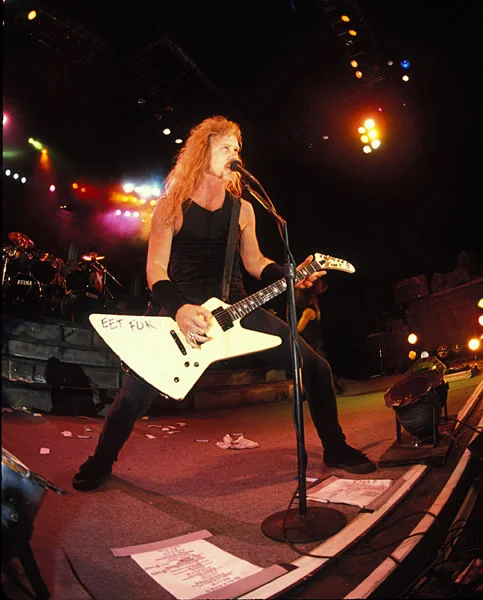
The ‘EET FUK’.
20. James Hetfield’s “EET FUK” Explorer
James Hetfield of Metallica is known for his aggressive playing style and his collection of custom guitars. One of his most famous instruments is the “EET FUK” Explorer, a 1984 Gibson Explorer.
Custom Design
The “EET FUK” Explorer features a white finish with the words “EET FUK” written on the body, reflecting Hetfield’s rebellious attitude. The guitar is equipped with EMG 81 and 60 pickups, providing a powerful, high-gain sound.
Thrash Metal Icon
Hetfield used the “EET FUK” Explorer during the recording and touring of Metallica’s classic albums “Ride the Lightning” and “Master of Puppets.” The guitar’s brutal, aggressive tone is perfect for Metallica’s thrash metal sound and has become a symbol of the band’s relentless energy.
These additional iconic guitars have each contributed to the evolution of rock music in their own unique ways. Their distinctive sounds and the legendary musicians who played them continue to inspire and influence the world of music.
Our guitar teacher’s have put together their list of
Top 10 Classical Guitar Books That You MUST Own!
1. “The Christopher Parkening Guitar Method – Volume 1: Guitar Technique” by Christopher Parkening
This comprehensive method book by virtuoso Christopher Parkening is ideal for beginners. It covers fundamental techniques, music reading, and essential classical pieces.
25 of the Greatest Drummers of All Time: Unveiling Legends of the Drumming World
Introduction to Legendary Drummers
In the vast and vibrant realm of music, the role of a drummer transcends mere rhythm-keeping; it embodies the heartbeat of a composition, driving the melody forward with power and precision. Through decades of musical evolution, certain drummers have etched their names into the annals of history, not just for their technical prowess but for their transformative impact on music as an art form.
These drumming icons have shaped the soundscape of their respective eras, defining genres and pioneering innovative techniques that have become synonymous with their names. From the thunderous beats of John Bonham of Led Zeppelin to the intricate rhythms of jazz legend Tony Williams, each drummer brings a unique flair and personality to their craft, influencing generations of musicians and captivating audiences worldwide.
Their contributions extend beyond virtuosity; they are storytellers, weaving narratives through beats and fills that resonate on a profound emotional level. The relentless energy of Keith Moon of The Who or the finesse of Stewart Copeland of The Police exemplify how drummers can elevate a band’s dynamics, injecting drama and intensity into every performance.
Moreover, these drummers are cultural icons, their influence extending beyond music into fashion, lifestyle, and even societal norms. Ringo Starr of The Beatles, for instance, not only laid down infectious rhythms but also embodied a style that transcended generations. Their impact is felt not just in the studio or on stage but in the very fabric of popular culture, where their beats have become anthems and their names synonymous with greatness.
In essence, exploring the greatest drummers of all time is a journey through the evolution of music itself. It’s a celebration of innovation, passion, and the enduring legacy of those who dared to redefine what it means to keep time in the world of music. These drummers are not just names on a list but architects of rhythm, whose contributions continue to shape and inspire the next generation of musicians, ensuring their beats echo through the ages.
Dennis Chambers is widely regarded as one of the most versatile and technically proficient drummers in the world. His career spans multiple genres including jazz, funk, and rock, where his exceptional technique and musical sensitivity have earned him acclaim both as a live performer and in studio recordings.
Chambers’ ability to seamlessly blend complex rhythms with inventive fills and precise grooves has made him a sought-after drummer for artists ranging from John Scofield to Santana. Known for his explosive energy and effortless command of the drum kit, Chambers continues to inspire generations of drummers worldwide with his distinctive style and mastery of diverse musical genres.
Terri Lyne Carrington stands as a pioneering force in jazz drumming, celebrated for her groundbreaking contributions both as a performer and educator. With a career that spans over four decades, Carrington has continually pushed the boundaries of jazz drumming with her dynamic and innovative approach.
As the first female artist to win a Grammy Award for Best Jazz Instrumental Album, Carrington has shattered glass ceilings and paved the way for women in jazz. Her ability to blend traditional jazz sensibilities with modern influences has earned her respect and admiration from peers and fans alike. Carrington’s commitment to mentorship and music education further solidifies her legacy as a trailblazer in the world of drumming.
Deen Castronovo has carved out a reputation as a powerhouse drummer in the realms of rock and metal music. Known for his precision, speed, and relentless energy behind the drum kit, Castronovo’s contributions to bands like Journey and Bad English have left an indelible mark on the music industry.
Castronovo’s ability to seamlessly blend intricate drum patterns with powerful grooves has made him a standout figure in rock drumming. His dynamic playing style and stage presence have captivated audiences worldwide, solidifying his position as a sought-after drummer for live performances and studio recordings alike.
Steve Jordan is celebrated for his soulful groove, impeccable sense of rhythm, and versatile approach to drumming. With a career that spans over four decades, Jordan has established himself as a driving force behind some of the most iconic names in blues, rock, and pop music.
As a drummer and producer, Jordan’s contributions to artists like John Mayer, Keith Richards, and The Blues Brothers Band have earned him praise for his musicality and ability to enhance the overall sound of any project. His deep understanding of various musical genres and commitment to artistic excellence continue to inspire musicians and drummers around the world.
Ari Hoenig is recognised for his innovative approach to jazz drumming, characterised by his unique blend of complex rhythms and melodic sensibility. As a bandleader and sideman, Hoenig has pushed the boundaries of traditional jazz drumming with his improvisational skills and creative expression.
Hoenig’s ability to seamlessly navigate intricate time signatures and unconventional phrasing sets him apart as a visionary in modern jazz. His dynamic playing style and collaborative spirit have earned him respect among peers and cemented his place as a leading figure in the evolution of jazz drumming.
Antonio Sanchez is celebrated for his visionary drumming style in modern jazz and fusion contexts. With a career that spans Grammy-winning albums and collaborations with leading jazz artists, Sanchez has established himself as a driving force in contemporary drumming.
Known for his technical prowess and ability to blend traditional and avant-garde drumming techniques, Sanchez’s contributions have reshaped the landscape of modern jazz. His dynamic playing and innovative approach continue to captivate audiences and inspire aspiring drummers worldwide.
Matt Garstka has garnered acclaim for his virtuosic drumming with progressive metal band Animals as Leaders. Known for his intricate rhythms, polyrhythmic patterns, and technical precision, Garstka’s playing pushes the boundaries of metal drumming.
Garstka’s ability to seamlessly integrate complex time signatures and progressive elements has earned him recognition as a standout drummer in the metal genre. His dynamic and expressive approach to drumming continues to influence and inspire drummers and musicians across diverse musical landscapes.
Benny Greb is celebrated for his innovative approach to drumming education and performance. With a focus on creativity, musicality, and technical proficiency, Greb has inspired drummers worldwide through his instructional materials and live performances.
Known for his dynamic playing style and ability to seamlessly blend diverse musical influences, Greb continues to push the boundaries of drumming. His commitment to pushing the artistry of drumming forward and sharing his knowledge with aspiring musicians has made him a respected figure in the global drumming community.
Carter Beauford is renowned for his groove-oriented playing with the Dave Matthews Band, blending jazz, funk, and world music influences into a distinct and dynamic drumming style. Beauford’s intricate rhythms, explosive solos, and expressive musicality have made him a revered figure among modern drummers.
With a career spanning over three decades, Beauford’s ability to craft intricate yet accessible rhythms has contributed to the Dave Matthews Band’s unique sound and enduring success. His innovative approach to drumming continues to inspire drummers and musicians across genres worldwide.
Vinnie Colaiuta is renowned for his unparalleled versatility and technical mastery across various genres. From jazz and fusion to rock and pop, Colaiuta’s precise yet expressive drumming has graced countless recordings and live performances. His ability to effortlessly navigate complex rhythms and innovative drum patterns has made him a sought-after collaborator for artists like Sting, Frank Zappa, and Herbie Hancock.
Colaiuta’s career spans decades of influential studio work and live performances, where his impeccable timing and musical sensitivity have set new standards in drumming. His contributions continue to inspire drummers worldwide, showcasing a blend of technical prowess and artistic integrity that defines his legacy in the music industry.
Steve Gadd’s illustrious career as a session drummer has earned him a reputation as one of the most respected and in-demand drummers in the world. Known for his impeccable groove, subtle dynamics, and innovative approach to drumming, Gadd has collaborated with a diverse range of artists across genres including jazz, rock, and pop.
Gadd’s contributions to iconic recordings such as Paul Simon’s “50 Ways to Leave Your Lover” and Steely Dan’s “Aja” highlight his ability to enhance songs with tasteful and inventive drumming. His mastery of drumming technique, combined with a deep musicality and adaptability, has cemented his status as a legendary figure in both studio and live settings.
Max Roach was a central figure in the development of bebop and hard bop jazz drumming styles. Known for his technical virtuosity, innovative use of dynamics, and socially conscious approach to music, Roach’s drumming set new standards for creativity and expression in jazz.
Roach’s collaborations with Charlie Parker, Dizzy Gillespie, and his own influential recordings as a bandleader marked him as a visionary in jazz drumming. His ability to blend intricate rhythms with melodic phrasing and thematic development made him a transformative figure whose impact on drumming and jazz continues to resonate today.
Clyde Stubblefield gained fame as the drummer for James Brown’s band, where his innovative funk grooves and syncopated rhythms became legendary. Tracks like “Funky Drummer” showcased Stubblefield’s ability to create infectious dance rhythms and dynamic drum breaks that have been sampled extensively in hip-hop and popular music.
Stubblefield’s distinctive drumming style, characterised by tight snare drum patterns and explosive fills, has influenced generations of drummers and producers. His contributions to funk music and his role as a rhythmic innovator have secured his place as one of the most influential drummers in music history.
Art Blakey was a pivotal figure in hard bop and bebop jazz as both a drummer and bandleader. Known for his powerful drumming style and mentorship of young jazz talent, Blakey’s leadership of The Jazz Messengers helped define the sound of modern jazz during the 1950s and 1960s.
Blakey’s propulsive rhythms, dynamic solos, and ability to foster creativity in his band members set him apart as a visionary in jazz drumming. His influence on generations of drummers and his commitment to preserving and evolving the jazz tradition continue to resonate through his recordings and the musicians he mentored.
Bernard Purdie is revered for his signature “Purdie Shuffle” and his influential contributions to funk, soul, and jazz music. His precise and groove-oriented drumming style has made him a legendary figure among drummers and musicians alike, earning him the nickname “The World’s Most Recorded Drummer.”
Purdie’s ability to create infectious grooves and impeccable timekeeping has made him a sought-after session drummer for artists such as Aretha Franklin, Steely Dan, and James Brown. His impact on popular music, particularly through his innovative use of ghost notes and syncopated rhythms, remains a testament to his enduring legacy in drumming.
The most recorded drummer in history, Bernard ‘Pretty’ Purdie.
Chad Smith is best known as the energetic drummer for the Red Hot Chili Peppers, where his powerful drumming style and high-energy performances have been integral to the band’s success. Influenced by rock, funk, and punk, Smith’s dynamic playing and solid groove have made him a standout figure in modern rock drumming.
Smith’s ability to blend hard-hitting beats with intricate fills and rhythmic creativity has earned him acclaim both on stage and in the studio. His contributions to the Red Hot Chili Peppers’ discography, alongside his collaborations with other artists, underscore his versatility and impact on contemporary drumming.
Travis Barker is recognised for his influential drumming with Blink-182 and his collaborations across various musical genres. Known for his fast-paced beats, intricate drum fills, and high-energy performances, Barker’s dynamic playing style has made him a driving force in punk rock and alternative music.
Barker’s ability to blend technical proficiency with raw energy has resonated with audiences worldwide, influencing a new generation of drummers. His contributions to Blink-182’s chart-topping albums and his diverse musical collaborations highlight his versatility and enduring influence in the world of drumming.
Dave Weckl is renowned for his exceptional technique and versatility in jazz fusion and contemporary jazz. With a career marked by intricate drumming patterns, dynamic solos, and innovative compositions, Weckl has established himself as a leading figure in modern drumming.
Weckl’s ability to seamlessly blend complex rhythms with melodic phrasing and expressive dynamics has earned him acclaim among critics and fellow musicians alike. His influential recordings and educational materials continue to inspire drummers worldwide, showcasing a commitment to musical excellence and innovation.
Stanton Moore is a leading drummer in modern funk and jazz, known for his deep groove and mastery of New Orleans drumming traditions. As a founding member of Galactic and a solo artist, Moore’s dynamic playing style and innovative approach to rhythm have garnered acclaim from audiences and critics alike.
Moore’s ability to fuse traditional funk grooves with contemporary influences highlights his versatility and creativity as a drummer. His collaborations with diverse artists and his dedication to preserving and evolving the New Orleans drumming tradition continue to shape the landscape of modern funk and jazz music.
Thomas Lang is known for his exceptional technical proficiency and innovative drumming techniques. With a career that spans genres from rock and metal to jazz and electronic music, Lang’s virtuosic drumming and educational contributions have made him a respected figure in the global drumming community.
Lang’s ability to execute complex polyrhythms, intricate fills, and dynamic grooves with precision and creativity sets him apart as a technical drumming wizard. His instructional materials and live performances continue to inspire drummers of all levels, showcasing a dedication to pushing the boundaries of drumming technique and musicality.
Jojo Mayer has pushed the boundaries of drum ‘n’ bass and electronic music with his unique blend of acoustic and electronic drumming techniques. His virtuosic playing and exploration of rhythmic concepts have made him a trailblazer in modern drumming. Mayer’s ability to fuse complex rhythms with dynamic textures showcases his creativity and mastery of the drum kit.
Ian Paice is celebrated for his powerful and influential drumming with Deep Purple. His solid groove, technical skill, and improvisational abilities have made him a cornerstone of hard rock and heavy metal drumming. Paice’s dynamic playing style and enduring legacy continue to inspire generations of drummers worldwide.
Steve Jordan is acclaimed for his soulful groove and impeccable sense of rhythm. His contributions to blues, rock, and pop music as both a drummer and producer have earned him praise for his musicality and versatility. Jordan’s ability to anchor a band with his infectious groove and tasteful fills highlights his status as a respected figure in contemporary drumming.
Matt Cameron: Rhythmic Architect of Soundgarden and Pearl Jam
Matt Cameron has left an indelible mark on alternative rock and grunge with his distinctive drumming style. His contributions to Soundgarden and Pearl Jam showcase his powerful drumming and songwriting prowess. Cameron’s ability to blend intricate rhythms with dynamic fills and solid grooves has solidified his reputation as a versatile and influential drummer.
John Bonham, known as “Bonzo,” was the legendary drummer for Led Zeppelin. Renowned for his powerful grooves, innovative fills, and dynamic playing style, Bonham’s contributions to rock music have made him an enduring icon. His influence on drumming technique and musicality continues to resonate across generations of musicians and fans alike.
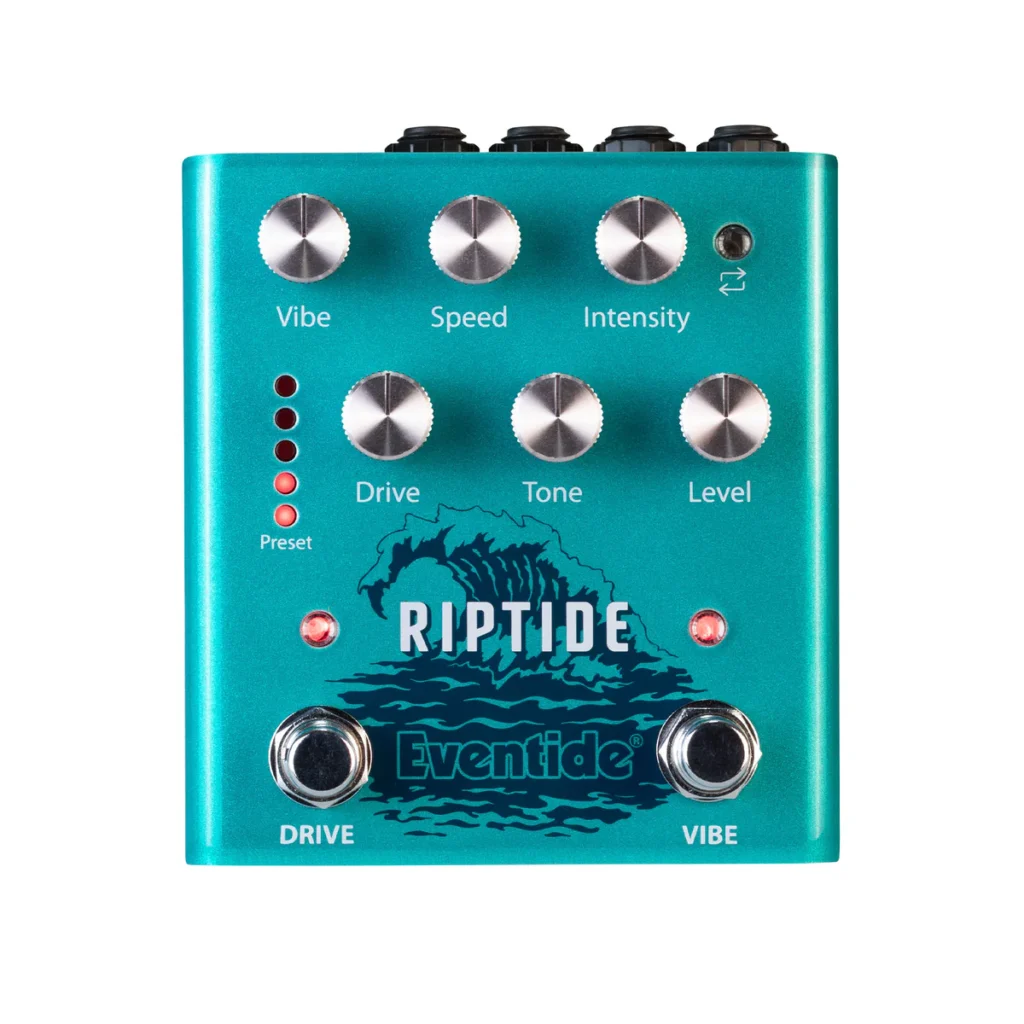
The Eventide Riptide represents a significant leap forward in the realm of audio effects processing, designed meticulously for musicians, producers, and sound engineers who demand unparalleled control over their soundscapes. This groundbreaking device boasts exceptional versatility, quickly becoming a staple in both high-end studio environments and dynamic live performance settings. Our comprehensive review delves into the myriad features, outstanding performance, and user-friendly interface of the Riptide, illustrating why it stands out in the competitive market of audio effects processors.
Known for its robust construction and cutting-edge technology, the Riptide offers a plethora of audio effects ranging from ethereal reverb and echo to complex modulation and pitch shifting. Each effect is engineered with precision, allowing for intricate customisation to perfectly match any musical style or creative vision. This device not only enhances audio quality but also fosters creativity, enabling artists to explore new sonic territories with ease.
Furthermore, the Riptide’s intuitive design is tailored for seamless integration into any existing setup, making it an ideal choice for professionals looking for a reliable and efficient audio processing solution. The high-resolution display and straightforward control layout ensure that all adjustments are quick and precise, empowering users to achieve their desired sound without hassle. Whether you’re in the studio tweaking a mix or on stage managing live sound, the Riptide’s performance is consistently reliable and responsive.
In this review, we will explore how the Eventide Riptide’s innovative features make it an indispensable tool for anyone serious about audio production. Stay tuned as we break down its capabilities, discuss its ease of use, and provide real-world applications to demonstrate why the Riptide is a must-have in any audio professional’s arsenal.
graph TD;
    A[Eventide Riptide Interface] --> B[Large High-Resolution Display]
    A --> C[Intuitive Controls]
    A --> D[Clear Visual Feedback]
    C --> E[Quick Adjustments]
    D --> F[Easy Navigation]
Features
Four Effects: Includes 2 Overdrives and 2 Uni-Vibes
The Riptide provides four distinct effects to enhance your audio output, including two different types of overdrive for adding richness and warmth to your sound and two uni-vibes for creating psychedelic modulation effects. This combination allows for a wide range of tonal diversity, perfect for crafting unique soundscapes.
Instant Switching: Switch between Drive and Vibe at the press of a button
Instant Switching allows users to seamlessly alternate between drive and vibe effects with just a single button press. This feature is crucial for performers who need to transition between different sound settings quickly and effortlessly during live performances.
Simplified Controls: 3 Drive Knobs and 3 Vibe Knobs, no deep dives needed
The simplified control layout includes three knobs each for drive and vibe settings, making it easy to adjust tones without complex menu navigation. This user-friendly interface ensures that both novice and professional users can achieve their desired sounds without extensive technical knowledge.
Preset Management: Five presets accessible via footswitch, with more available through the Eventide Device Manager (EDM) software
Preset management provides immediate access to five user-configurable presets via a footswitch, enhancing live performance flexibility. Additional presets can be managed and accessed through the Eventide Device Manager software, expanding the device’s utility and customisation.
Versatile Footswitch: Dual-action Active Footswitch can be set to latching or momentary mode
The dual-action footswitch on the Riptide offers two operational modes: latching, where the effect stays on until toggled off, and momentary, where the effect is active only while the switch is pressed. This versatility enhances performance dynamics and control over the effects.
Impedance Matching: Rear panel Guitar/Line Level switch for compatibility with guitars, synths, FX loops, or DAW interfaces
The impedance matching feature includes a switch that adjusts the input and output levels to match with guitars, synthesizers, effects loops, and digital audio workstations. This ensures optimal sound quality and prevents signal degradation across various equipment.
Expression Pedal Mapping: Assign any combination of parameters to an Expression Pedal
Expression pedal mapping allows users to assign and control almost any parameter of the Riptide via an expression pedal. This feature provides additional hands-free control, making it ideal for adjusting effects parameters in real-time during live performances.
Auxiliary Switch Support: Use a single Aux switch for Tap Tempo or a triple Aux switch for easy preset changes
The auxiliary switch support enables the use of an external switch to access additional functionalities like tap tempo, which is useful for syncing delay times to the beat of the music, or to facilitate smooth preset transitions.
MIDI Compatibility: Supports MIDI over TRS (with a MIDI to TRS cable Type A or converter box) or USB
MIDI compatibility allows the Riptide to be controlled remotely and integrated into a larger setup using MIDI connections via TRS or USB. This feature is critical for sophisticated setups where synchronisation and preset management are handled through MIDI controllers.
Multiple Bypass Options: Choose from Buffered, Relay, DSP+FX, or Kill Dry
The Riptide offers multiple bypass options to suit different audio setups. Buffered bypass ensures a clean signal with no tone loss in large pedal setups, relay bypass provides the purest audio path, DSP+FX maintains effects tails when bypassed, and Kill Dry is perfect for parallel effect loops.
Catch-Up Mode: Easily dial in your sound when switching between presets or parameters
Catch-Up Mode helps prevent abrupt changes in sound by letting the physical controls ‘catch up’ to the preset values without audio spikes. This is particularly useful during live performances when transitioning between different presets.
Eventide Device Manager: PC or Mac application for software updates, system settings, and creating/saving presets
The Eventide Device Manager is a dedicated software application for both PC and Mac that allows users to update their device firmware, adjust system settings, and create or save custom presets. This tool enhances the Riptide’s functionality and ensures it remains up-to-date with the latest features and improvements.
The Eventide Riptide!
Unmatched Sound Quality
High-Fidelity Processing
The Eventide Riptide excels in high-fidelity audio processing, meticulously preserving and enhancing every nuance of your sound. Its 24-bit/96kHz resolution ensures pristine audio quality, ideal for professional-grade recordings and live performances alike. The device boasts an impressively high signal-to-noise ratio, effectively minimising unwanted noise to deliver a clean, dynamic sound that faithfully reproduces the original audio source.
Whether you’re in a studio environment, capturing intricate details of a musical composition, or performing on stage, where clarity and precision are paramount, the Riptide’s advanced audio processing capabilities ensure exceptional sound reproduction. This meets the highest standards of audio production, making it a favoured choice among audio professionals and enthusiasts alike.
Wide Range of Effects
The Eventide Riptide offers a wide range of effects, including reverb, delay, modulation, and pitch shifting, among others. Each effect is highly customisable to suit different musical genres and styles. The reverb algorithms cover various types, from traditional hall and plate reverbs to experimental spaces, allowing for endless creative possibilities. The Riptide is a versatile tool for both studio production and live performances, providing detailed customisation options and a diverse array of effects. It is a must-have for artists looking to enhance their sound with depth and innovation.
User-Friendly Interface
Intuitive Controls
A standout feature of the Eventide Riptide is its exceptionally user-friendly interface. Carefully designed with the user in mind, it boasts intuitive controls that facilitate swift and effortless adjustments. The interface’s layout promotes seamless navigation, enhanced by a large, high-resolution display that offers clear visual feedback. This combination ensures that users can easily explore and modify the device’s extensive range of settings and parameters with confidence and precision. Whether you’re fine-tuning effects in a studio environment or making real-time adjustments during a live performance, the Riptide’s user-centric interface remains intuitive and responsive, empowering musicians and sound engineers alike to achieve their desired sound effortlessly.
Advanced Connectivity
The Eventide Riptide offers versatile connectivity options, featuring USB, MIDI, and traditional audio inputs and outputs. This extensive array of connections ensures effortless integration into diverse setups, whether you’re working in a studio environment or performing live on stage. The USB port serves dual purposes, facilitating both audio interfacing and firmware updates. This means not only can you connect seamlessly to computers and MIDI controllers but also ensure your Riptide stays current with the latest enhancements and features through convenient firmware updates. This level of connectivity flexibility empowers users to adapt the Riptide to their specific needs, making it a versatile and future-proof solution for professional audio processing requirements.
Performance and Reliability
Robust Build Quality
Crafted from premium materials, the Eventide Riptide is designed to endure the demanding conditions of regular use. Its robust chassis and durable components not only guarantee longevity but also provide a sense of reliability that professionals rely on in critical situations. Whether in the studio or on tour, the Riptide’s sturdy construction ensures consistent performance, maintaining its integrity even under rigorous circumstances. This durability not only safeguards against wear and tear but also instills confidence in users, knowing they can depend on the Riptide’s resilience for years to come. As a trusted companion for musicians, producers, and sound engineers alike, the Riptide stands out as a testament to Eventide’s commitment to quality and reliability in audio processing technology.
Low Latency
In live performance environments, minimising latency is paramount for ensuring seamless and responsive audio processing. The Eventide Riptide sets a new standard with its ultra-low latency processing capabilities, delivering real-time application of audio effects without perceptible delay. This exceptional performance makes it an indispensable tool for live musicians and sound engineers who rely on instantaneous response and precise timing during performances.
By virtually eliminating latency, the Riptide enhances the overall musical experience, allowing performers to confidently execute intricate effects and transitions without disruption. Whether shaping sounds on stage or integrating complex effects into live mixes, the Riptide’s low-latency processing ensures that every musical nuance is faithfully reproduced in real-time. This capability not only enhances the clarity and fidelity of the audio output but also enables seamless integration with other live performance equipment and digital audio workstations (DAWs). As a result, the Riptide empowers performers to deliver exceptional performances with unparalleled reliability and responsiveness, setting a new standard for live audio processing technology.
Designed by audio engineers who have REAL experience with effects.
Creative Potential
Deep Modulation Capabilities
The modulation capabilities of the Eventide Riptide stand out as a highlight of its feature set. Featuring LFOs, envelope followers, and a variety of routing options, this section empowers users to delve into the realm of intricate and evolving sound design. Whether you’re looking to add subtle dynamic movements or explore more dramatic rhythmic transformations, the Riptide offers a wealth of creative possibilities. What sets it apart is the ability to apply modulation to virtually any parameter within its effects chain, providing unprecedented control over the sonic output.
By harnessing these advanced modulation tools, musicians and sound designers can sculpt sounds that evolve over time, responding dynamically to musical nuances and expressive gestures. This flexibility not only enhances the depth and richness of the produced audio but also encourages experimentation and innovation in sound creation. Whether crafting ambient soundscapes, enriching musical textures, or pushing the boundaries of traditional effects, the Riptide’s modulation capabilities ensure that every performance and recording session is infused with unique sonic character and artistic expression. It’s this versatility and precision that make the modulation section of the Riptide a standout feature in the realm of audio effects processors.
Preset Management
The Eventide Riptide impresses with its extensive library of presets, meticulously crafted by acclaimed sound designers. These presets serve as invaluable starting points, offering users immediate access to a wide range of professionally curated sounds. Whether you’re exploring ambient textures or crafting cutting-edge effects, the Riptide’s presets provide a solid foundation for creativity. What truly sets it apart is the ease with which users can tailor these presets to their specific requirements. Each preset is fully customisable, allowing adjustments to parameters like reverb decay, delay timing, and modulation depth, ensuring that every sound can be fine-tuned to perfection.
Moreover, the Riptide empowers musicians and producers by enabling the creation and storage of personalised presets. This feature not only facilitates quick recall of favourite settings but also enhances workflow efficiency during recording sessions or live performances. By seamlessly integrating personal presets alongside factory defaults, users maintain creative momentum without interruptions. Whether adapting to evolving musical arrangements or experimenting with new sonic landscapes, the flexibility of the Riptide’s preset management system ensures that every artistic vision can be realised with precision and ease. This capability makes it an indispensable tool for professionals seeking both versatility and reliability in their audio processing equipment.
Ten Reasons to Buy the Eventide Riptide
High-Fidelity Audio Processing:
Offers 24-bit/96kHz resolution for pristine sound quality, ensuring professional-grade audio for both recordings and live performances.
Extensive Range of Effects:
Features a diverse array of effects, including reverb, delay, modulation, and pitch shifting, allowing for comprehensive sound manipulation.
User-Friendly Interface:
Designed with intuitive controls and a large high-resolution display, making it easy to navigate and adjust settings quickly.
Robust Build Quality:
Constructed with durable materials, the Riptide is built to withstand the demands of frequent use, ensuring longevity and reliability.
Low Latency Performance:
Provides ultra-low latency processing, making it ideal for live performances where real-time audio effects are crucial.
Advanced Connectivity Options:
Equipped with USB, MIDI, and traditional audio inputs/outputs, allowing for seamless integration into any studio or live setup.
Creative Modulation Capabilities:
Features deep modulation options with LFOs and envelope followers, enabling the creation of complex and evolving soundscapes.
Extensive Preset Library:
Comes with a vast library of presets designed by renowned sound designers, and allows for easy customisation and saving of personal presets.
Flexible Footswitch and Pedal Mapping:
Includes a dual-action footswitch and the ability to map parameters to an expression pedal, providing versatile control over your effects.
Eventide Device Manager Support:
Offers access to the Eventide Device Manager for software updates, system settings, and preset management, ensuring the device remains up-to-date with the latest features and improvements.
The Bottom Line
The Eventide Riptide is a state-of-the-art audio effects processor that we believe stands out as a powerful and versatile tool for both studio and live applications. Designed with the discerning professional in mind, the Riptide excels in delivering superior sound quality and an intuitive user experience. In our opinion, it’s a top choice for musicians, producers, and sound engineers alike. At the heart of the Eventide Riptide is its high-fidelity audio processing capability. Boasting a 24-bit/96kHz resolution, the Riptide ensures that every detail of your sound is captured with remarkable clarity and precision. This high-resolution processing preserves the integrity of your audio signal, providing a clean and dynamic output that meets the exacting standards of professional audio production.
Whether you are recording in the studio or performing live, we find that the Riptide’s sound quality remains consistently excellent, delivering a pristine audio experience that truly enhances musical expression. Beyond its unparalleled sound quality, the Eventide Riptide offers an extensive range of effects catering to a wide variety of musical styles and preferences. From lush reverb and intricate delay to dynamic modulation and pitch shifting, the Riptide’s effects are crafted with meticulous attention to detail, allowing for extensive customisation and creative exploration. In our hands-on experience, this device has shown itself to be both versatile and dependable.
The user-friendly interface is another highlight, designed to facilitate quick and easy adjustments. Featuring intuitive controls and a large, high-resolution display, it provides clear visual feedback. This makes navigating through the various settings and parameters a breeze, even in high-pressure environments. We also appreciate the Riptide’s robust build quality, ensuring it can withstand the demands of frequent use. This reliability makes it a trusted companion for any serious musician or sound engineer. With advanced connectivity options including USB, MIDI, and traditional audio inputs/outputs, seamless integration into any setup is guaranteed.
We were particularly impressed by the Riptide’s versatility, which is further enhanced by its support for an expression pedal, auxiliary switches, and MIDI, offering unparalleled control over your effects. Additionally, the Eventide Device Manager software provides an easy way to manage presets, perform updates, and configure system settings, ensuring your Riptide is always optimised for peak performance. Whether in the studio or on stage, the Eventide Riptide offers unmatched creative potential and reliability, making it, in our view, an essential investment for professionals seeking top-tier audio processing capabilities.
Top Policies on Music Education – What the UK Political Parties Policies Are in the Upcoming 4th of July Election
Music education has always been a cornerstone of a well-rounded academic curriculum, fostering creativity, discipline, and cultural awareness among students. As we approach the 4th of July election, the major political parties in the UK have laid out their plans and policies regarding music education. In this article, we delve into the detailed policies of the Conservative Party, the Labour Party, the Liberal Democrats, the Scottish National Party (SNP), Plaid Cymru, and the Green Party to understand their commitments and visions for the future of music education in the UK.
What are the political parties saying about music education?
The Conservative Party’s Vision for Music Education
The Conservative Party has historically emphasised the importance of a broad and balanced curriculum. Their 2024 manifesto outlines a series of initiatives aimed at enhancing music education:
Increased Funding: The Conservatives pledge to increase funding for music education hubs, ensuring that every child has access to quality music lessons regardless of their socio-economic background.
Teacher Training: Recognising the need for well-trained music teachers, the party promises to invest in specialised teacher training programmes, focusing on contemporary teaching methods and inclusive practices.
National Music Plan: The Conservatives propose a new National Music Plan to ensure consistent delivery of music education across all schools. This plan includes provisions for updated resources, school partnerships with local music organisations, and regular performance opportunities for students.
Extracurricular Activities: To further enrich students’ musical experiences, the party advocates for expanding extracurricular music activities, including school bands, choirs, and orchestras.
Labour Party’s Commitment to Music Education
The Labour Party has a strong tradition of advocating for the arts, and their music education policies reflect a commitment to equity and access:
Universal Access: Labour promises to make music education universally accessible by integrating it into the core curriculum of all primary and secondary schools. This includes mandatory music lessons for all students.
Funding and Resources: The party plans to significantly increase funding for music education, ensuring that schools have the necessary instruments, technology, and teaching materials.
Support for Music Teachers: Labour aims to enhance support for music teachers through continuous professional development programmes and by reducing class sizes to allow for more individualised instruction.
Community Partnerships: Labour emphasises the importance of community partnerships, proposing collaborations between schools, local music organisations, and cultural institutions to create a vibrant music education ecosystem.
Inclusive Curriculum: The party is committed to developing an inclusive music curriculum that reflects the diverse cultural backgrounds of UK students, promoting a broader understanding and appreciation of different musical traditions.
Liberal Democrats’ Approach to Music Education
The Liberal Democrats prioritise a holistic approach to education, and their policies for music education are designed to nurture creativity and innovation:
Comprehensive Music Strategy: The Liberal Democrats propose a comprehensive strategy for music education that includes both curricular and extracurricular components. This strategy aims to ensure that every student has the opportunity to learn and engage with music.
Increased Investment: The party pledges to increase investment in music education, focusing on providing high-quality instruments, technology, and resources to schools across the UK.
Teacher Support: Recognising the critical role of teachers, the Liberal Democrats plan to offer robust support for music educators through professional development, mentorship programmes, and collaborative teaching models.
Access for All: The Liberal Democrats are committed to ensuring that music education is accessible to all students, including those with disabilities and those from disadvantaged backgrounds. This includes targeted funding and support services.
Cultural Diversity: The party emphasises the importance of cultural diversity in music education, advocating for a curriculum that celebrates and incorporates a wide range of musical genres and traditions.
Scottish National Party (SNP) and Music Education in Scotland
The SNP places a strong emphasis on the cultural and educational development of Scotland’s youth. Their policies on music education aim to promote inclusivity and accessibility:
Free Instrumental Tuition: The SNP is committed to providing free instrumental tuition for all students, ensuring that financial barriers do not hinder musical development.
Cultural Education Strategy: The party has outlined a comprehensive Cultural Education Strategy that includes music as a key component. This strategy focuses on integrating music education into the broader curriculum and promoting partnerships with local cultural institutions.
Support for Gaelic Music: Recognising the importance of Scotland’s linguistic heritage, the SNP supports the inclusion of Gaelic music in the curriculum, fostering a deeper connection to Scottish culture.
Professional Development: The SNP aims to provide continuous professional development opportunities for music teachers, ensuring they are equipped with the latest pedagogical techniques and resources.
Plaid Cymru’s Music Education Policies for Wales
Plaid Cymru prioritises the preservation and promotion of Welsh culture, with a strong focus on music education:
Bilingual Music Education: Plaid Cymru supports the provision of bilingual music education, ensuring that students can learn and perform in both Welsh and English.
Increased Funding: The party pledges to increase funding for music education, particularly in rural and disadvantaged areas, to ensure equal access to resources and opportunities.
Cultural Festivals: Plaid Cymru advocates for the promotion of local cultural festivals and events that provide performance opportunities for students and celebrate Welsh musical heritage.
Teacher Training and Support: The party emphasises the need for specialised training for music teachers, focusing on bilingual education and the use of traditional Welsh instruments.
Green Party’s Policies on Music Education
The Green Party’s approach to music education is grounded in their broader commitment to sustainability, community, and social justice:
Sustainable Funding: The Green Party advocates for sustainable, long-term funding for music education programmes, ensuring that schools have the resources they need to offer continuous and high-quality music instruction.
Integrated Arts Curriculum: The party supports an integrated arts curriculum that places music education at the heart of the school experience. This includes interdisciplinary projects that combine music with other subjects.
Support for Music Educators: The Green Party emphasises the need for supporting music educators through fair wages, professional development opportunities, and reduced administrative burdens.
Community-Based Programmes: To foster a strong sense of community, the party proposes the development of community-based music programmes that involve local musicians, artists, and cultural organisations in the education process.
Equity and Inclusion: The Green Party is committed to promoting equity and inclusion in music education, ensuring that all students, regardless of background, have access to quality music learning opportunities. This includes specific initiatives to support underrepresented and marginalised groups.
The future of music education is in the balance of the future ruling political party in the UK.
As the UK prepares for the upcoming 4th of July election, the future of music education hangs in the balance. Each political party offers a distinct vision, reflecting their broader educational philosophies and commitments. Whether through increased funding, enhanced teacher support, or inclusive curricula, the policies outlined by the Conservative Party, Labour Party, Liberal Democrats, SNP, Plaid Cymru, and Green Party demonstrate a shared recognition of the vital role music education plays in fostering a well-rounded, creative, and culturally aware society.
Studies supporting music use in educational settings
Types of Calming Classroom Music Suitable for Schools
Classical music
Nature sounds
Ambient and instrumental tracks
Lo-fi beats
Creating a Calming Classroom Playlist
Selecting appropriate tracks
Balancing variety and consistency
Incorporating student preferences
Implementing Music in Daily Classroom Activities
During independent work
For transition times
While students enter and exit the classroom
During relaxation or mindfulness exercises
Teacher and Student Feedback on Classroom Music
Gathering input from students
Adjusting playlists based on feedback
Teacher observations on the impact of music
Challenges and Solutions
Potential distractions
Finding the right volume
Diverse musical tastes
Case Studies
Schools successfully using calming classroom music
Testimonials from educators
Practical Tips for Teachers
Setting up the audio equipment
Managing technical issues
Maintaining a calm environment consistently
Technology and Tools for Classroom Music
Music streaming services
Classroom audio systems
Apps for creating playlists
Integrating Music with Other Calming Techniques
Combining music with aromatherapy
Using music alongside physical activities
Music and meditation
Parental Involvement and Support
Informing parents about the benefits
Encouraging the use of calming music at home
Gathering parental feedback
Future Trends in Classroom Music
Innovations in educational technology
Emerging research on music and learning
Predictions for the next decade
Conclusion
Recap of key points
Final thoughts on the importance of calming classroom music
FAQs
How can I start using music in my classroom?
What are the best music genres for a calming classroom environment?
How loud should the music be?
Can calming music be distracting for some students?
Are there any risks to using music in the classroom?
keeping your classroom calm on the last days of school term could easily be achieved with some relaxing music.
Calming Classroom Music
Creating a peaceful and productive classroom environment is a priority for educators, and one effective strategy is incorporating calming music. The right music can transform a chaotic space into a haven of focus and tranquility. Let’s explore how calming classroom music can benefit students and enhance the learning experience.
Benefits of Calming Classroom Music
Enhances Concentration and Focus
Music with a gentle rhythm and soothing melodies can significantly improve students’ ability to concentrate. The consistent background noise helps drown out distractions, allowing students to zero in on their tasks.
Reduces Stress and Anxiety
A calm classroom atmosphere can alleviate stress and anxiety. Soft music creates a serene environment, which can be particularly beneficial during high-pressure situations like exams or difficult assignments.
Improves Overall Classroom Behaviour
When the atmosphere is calm, students are more likely to exhibit positive behaviours. Music can reduce instances of disruptive actions, fostering a more respectful and cooperative classroom dynamic.
Boosts Academic Performance
Studies have shown that students who study with calming classroom music in the background often perform better academically. The improved focus and reduced stress contribute to a more effective learning process.
Scientific Basis for Music in the Classroom
How Music Affects the Brain
Music stimulates various parts of the brain, including those involved in memory, attention, and emotion. Listening to music can increase the production of dopamine, a neurotransmitter associated with pleasure and motivation.
Studies Supporting Music Use in Educational Settings
Numerous studies highlight the positive impact of music in classrooms. For example, research has found that classical music can enhance spatial-temporal skills, which are crucial for learning subjects like math.
Types of Calming Music Suitable for Classrooms
Classical Music
Pieces by composers like Mozart and Beethoven are popular choices. Their structured compositions provide a predictable and soothing backdrop for learning.
Nature Sounds
Sounds of rain, waves, or birdsong can bring the tranquility of the outdoors inside. These tracks are especially effective for relaxation periods or mindfulness exercises.
Ambient and Instrumental Tracks
These genres offer a modern alternative to classical music, with slow tempos and minimalistic arrangements that are perfect for maintaining focus.
Lo-fi Beats
Lo-fi music combines soft beats with ambient sounds and is particularly popular among younger students. It creates a relaxed atmosphere conducive to both study and creativity.
Creating a Calming Classroom Playlist
Selecting Appropriate Tracks
When curating a playlist, consider the preferences of your students as well as the intended activity. Aim for a mix of genres that promote relaxation and concentration.
Balancing Variety and Consistency
While variety keeps the playlist interesting, consistency helps maintain a stable mood. Rotate tracks regularly but ensure the overall vibe remains calming.
Incorporating Student Preferences
Involve students in the selection process. Their input can help tailor the playlist to the collective taste of the class, increasing its effectiveness.
The last days of school before the summer holidays can be an exciting time for school pupils. This handy blog has some helpful tips that you can implement in your classroom.
Implementing Music in Daily Classroom Activities
During Independent Work
Play music during silent reading or individual assignments to help students maintain focus and reduce ambient noise.
For Transition Times
Music can ease transitions between activities, signalling to students that it’s time to shift gears without causing stress.
While Students Enter and Exit the Classroom
A calming track can set a positive tone at the start of the day and help students wind down as they leave.
During Relaxation or Mindfulness Exercises
Music is a powerful tool for mindfulness practices. It can guide students through breathing exercises or meditation, enhancing the calming effect.
Teacher and Student Feedback on Classroom Music
Gathering Input from Students
Regularly solicit feedback to ensure the music remains effective and enjoyable. Simple surveys or class discussions can provide valuable insights.
Adjusting Playlists Based on Feedback
Be flexible and willing to make changes. If certain tracks are not resonating with the class, replace them with more suitable options.
Teacher Observations on the Impact of Music
Teachers should also monitor the impact of music on classroom dynamics and individual student performance, making adjustments as necessary.
Challenges and Solutions
Potential Distractions
Not all students respond to music in the same way. Some might find it distracting. Address this by allowing quiet time without music when needed.
Finding the Right Volume
Volume is crucial. The music should be audible but not overpowering. Experiment with different levels to find the sweet spot.
Diverse Musical Tastes
Catering to diverse tastes can be challenging. Create a playlist that incorporates a variety of genres while maintaining a calming atmosphere.
Case Studies
Schools Successfully Using Calming Music
Several schools have reported positive outcomes from integrating calming music. For instance, a primary school in California saw improved test scores and better student behaviour after implementing a classroom music program.
Testimonials from Educators
Teachers across different grade levels have shared testimonials highlighting how music has transformed their classrooms. Many note a more peaceful environment and increased student engagement.
Practical Tips for Teachers
Setting Up the Audio Equipment
Ensure you have a reliable sound system that can be easily controlled. Bluetooth speakers or integrated classroom audio systems work well.
Managing Technical Issues
Be prepared for occasional technical hiccups. Have a backup plan, such as a secondary device or a pre-downloaded playlist.
Maintaining a Calm Environment Consistently
Consistency is key. Make calming classroom music a regular part of your classroom routine to maximise its benefits.
Technology and Tools for Calming Classroom Music
Music Streaming Services
Platforms like Spotify and Apple Music offer extensive libraries and curated playlists suitable for the classroom.
Classroom Audio Systems
Invest in good-quality speakers that can fill the room without causing distortion.
Apps for Creating Playlists
Utilise apps that allow you to create and manage playlists easily. This can help you tailor the music selection to specific classroom needs.
Integrating Music with Other Calming Techniques
Combining Music with Aromatherapy
Essential oils like lavender or chamomile, when used with calming music, can enhance the relaxing atmosphere.
Using Music Alongside Physical Activities
Incorporate music into physical activities like yoga or stretching to create a holistic calming experience.
Music and Meditation
Guided meditations with background music can help students practice mindfulness and reduce stress.
Parental Involvement and Support
Informing Parents About the Benefits
Share the positive impacts of calming classroom music with parents through newsletters or meetings.
Encouraging the Use of Calming Classroom Music at Home
Suggest that parents play calming music during homework time to create a consistent atmosphere.
Gathering Parental Feedback
Ask parents for feedback on their children’s behaviour and performance at home, providing a broader perspective on the music’s impact.
Future Trends in Classroom Music
Innovations in Educational Technology
Advances in technology may offer new ways to integrate music into the classroom, such as interactive music tools or personalised playlists.
Emerging Research on Music and Learning
Ongoing research will continue to shed light on how different types of music affect learning and emotional well-being.
Predictions for the Next Decade
Expect to see more schools adopting music programs as part of a comprehensive approach to student wellness and academic success.
Conclusion
Incorporating calming music into the classroom can significantly enhance the learning environment. From reducing stress to improving concentration, the benefits are substantial. By thoughtfully selecting and implementing music, teachers can create a harmonious space conducive to both learning and personal growth.
Have the children in your classroom feeling totally zen!
FAQs
How can I start using music in my classroom?
Begin by selecting a few calming tracks and playing them during quiet activities. Observe the impact and adjust your approach based on student feedback and behaviour.
What are the best music genres for a calming classroom environment?
Classical music, nature sounds, ambient tracks, and lo-fi beats are all excellent choices for creating a calm atmosphere.
How loud should the music be?
The volume should be low enough to not be disruptive but loud enough to be heard clearly. Aim for a background level that students can talk over without raising their voices.
Can calming music be distracting for some students?
Yes, some students may find it distracting. It’s important to be flexible and provide quiet time without music if needed.
Are there any risks to using music in the classroom?
The main risk is potential distraction. However, with careful selection and appropriate volume control, the benefits of calming music typically outweigh the drawbacks.
Choosing the right guitar strings can significantly influence your playing experience, tone, and overall satisfaction with your instrument. Whether you’re a beginner or a seasoned professional, selecting the best guitar strings is crucial. In this comprehensive guide, we will delve into the various types of guitar strings, their materials, gauges, and the specific needs they address. Our goal is to provide you with detailed information to make an informed decision on the best guitar strings to buy.
D’Addario Phosphor Bronze EJ16 acoustic guitar strings are a favourite amongst the guitar teachers at Morningside School of Music.
Understanding Guitar String Materials
The material of guitar strings plays a pivotal role in defining their sound and durability. Here are the most common materials used in guitar strings:
1. Nickel-Plated Steel Strings
Nickel-plated steel strings are popular among electric guitar players for their bright, versatile tone. The steel core provides durability and a strong magnetic response, while the nickel plating adds warmth and reduces finger noise. These strings are ideal for rock, blues, and pop genres.
2. Pure Nickel Strings
Pure nickel strings offer a warmer, vintage tone compared to nickel-plated steel. They are less bright but provide a smooth, mellow sound that is perfect for classic rock and jazz. These strings are also easier on the fingers, making them a good choice for extended playing sessions.
3. Stainless Steel Strings
Stainless steel strings are known for their bright, crisp tone and excellent longevity. They resist corrosion and are less prone to wear, making them ideal for players with acidic sweat. These strings are commonly used in genres that require a sharp, clear sound, such as metal and hard rock.
4. Phosphor Bronze Strings
Phosphor bronze strings are a popular choice for acoustic guitars. They produce a warm, balanced tone with rich overtones and are known for their durability. These strings are suitable for a wide range of acoustic styles, from fingerpicking to strumming.
5. 80/20 Bronze Strings
80/20 bronze strings (80% copper and 20% zinc) deliver a bright, lively tone with pronounced bass and crisp highs. They are often favored by bluegrass and country players for their vibrant sound. However, they tend to lose their brightness faster than phosphor bronze strings.
6. Nylon Strings
Nylon strings are used for classical guitars and some folk styles. They produce a soft, mellow tone and are gentler on the fingers compared to steel strings. Nylon strings come in different tension levels (low, normal, and high) to suit various playing styles and preferences.
Ernie Ball Earthwood guitar strings have a particular warmth to them due to their 80/20 bronze alloy composition. We love these strings!
Choosing the Right String Gauge
String gauge refers to the thickness of the strings, which affects playability and tone. Here are the main considerations:
1. Light Gauge Strings
Light gauge strings (typically .009 to .042 for electric guitars and .010 to .047 for acoustic guitars) are easier to play, requiring less finger pressure to fret notes. They are ideal for beginners and players who prefer a softer touch. Light gauge strings produce a bright tone but may lack volume and sustain. These a great for beginner guitarists who are maybe having guitar lessons.
2. Medium Gauge Strings
Medium gauge strings (.010 to .046 for electric and .012 to .053 for acoustic) offer a balance between playability and tone. They provide more volume and sustain than light gauge strings and are versatile enough for various playing styles. Medium gauge strings are a popular choice for many guitarists.
3. Heavy Gauge Strings
Heavy gauge strings (.011 to .050 for electric and .013 to .056 for acoustic) require more finger strength but deliver a fuller, more powerful tone. They are suitable for players who use lower tunings or need more volume and sustain. Heavy gauge strings are often favored by blues, jazz, and metal guitarists.
Coated vs. Uncoated Strings
Coated Strings
Coated strings have a thin layer of polymer that protects them from dirt, sweat, and corrosion, significantly extending their lifespan. They maintain their tone longer than uncoated strings and are a good investment for players who prefer less frequent string changes. However, some players feel that coated strings have a slightly different feel and tone.
Uncoated Strings
Uncoated strings offer a more natural feel and tone but require more frequent changes as they are more susceptible to corrosion and wear. Many players prefer the sound of fresh uncoated strings and don’t mind the regular maintenance.
The Rotosound classical CL1 strings are at a great price point and are excellent quality with a beautiful relaxed sound to them.
Popular Guitar String Brands
Several brands stand out in the world of guitar strings for their quality and innovation. Here are a few:
1. Ernie Ball
Ernie Ball is renowned for its Slinky series, offering a wide range of gauges and materials. They are a favorite among rock and metal players for their bright tone and durability.
2. D’Addario
D’Addario strings are known for their consistency and innovation. Their EXP and NYXL series are particularly popular, providing excellent tone and longevity.
3. Elixir
Elixir strings are famous for their long-lasting coated strings. Their Nanoweb and Polyweb coatings cater to different tonal preferences, making them a top choice for many guitarists.
4. Martin
Martin strings are a staple for acoustic guitar players. Their SP and Lifespan series offer a rich, balanced tone and impressive durability.
5. Fender
Fender strings are designed to complement their iconic guitars. Their 250 and 150 series provide excellent tone and playability for electric and acoustic guitars, respectively.
Choosing Strings for Different Playing Styles
1. Rock and Metal
For rock and metal, players often prefer nickel-plated steel or stainless steel strings for their bright, aggressive tone. Medium to heavy gauge strings provide the necessary sustain and volume.
2. Blues and Jazz
Blues and jazz guitarists tend to favour pure nickel or flatwound strings for their warm, mellow tone. Medium gauge strings offer a good balance of playability and tone.
3. Acoustic Fingerpicking
For acoustic fingerpicking, phosphor bronze or 80/20 bronze strings in light to medium gauges are ideal. They provide a clear, articulate sound with rich overtones.
4. Classical and Folk
Classical and folk players should opt for nylon strings, with the tension level chosen based on personal preference and playing style. Nylon strings offer a smooth, gentle tone that suits these genres well.
Fast Fret is great for helping to clean your strings, make them play and sound better and help them last longer.
Maintaining Your Guitar Strings
Proper maintenance can extend the life of your guitar strings and keep your instrument sounding its best. Here are some tips:
1. Regular Cleaning
Wipe down your strings with a clean cloth after each playing session to remove sweat and dirt. Special guitar string cleaners can also be used to maintain their condition.
2. Frequent Changes
Change your strings regularly based on your playing frequency and the type of strings you use. Coated strings can last longer, but uncoated strings may need more frequent replacements.
3. Proper Storage
Store your guitar in a case when not in use to protect it from dust and humidity, which can affect the strings’ lifespan.
Choosing the best guitar strings involves considering your playing style, instrument, and personal preferences. By understanding the different materials, gauges, and brands, you can find the perfect strings to enhance your playing experience and achieve the tone you desire.
When you think of guitars that blend quality craftsmanship with affordability, Tanglewood Guitars likely comes to mind. This beloved brand has made a significant impact on the music industry, offering a wide range of instruments that cater to both beginners and professional musicians. Let’s dive into the world of Tanglewood and explore why these guitars are cherished by so many.
Do you want to see what our guitar teacher’s favourite Tanglewood guitar is? Here it is!
History of Tanglewood Guitars
Tanglewood Guitars was founded in 1988 in the United Kingdom, starting as a small company with a big vision. Over the years, they have grown exponentially, becoming one of the most recognised names in the guitar industry. Their commitment to quality and innovation has allowed them to stay relevant and beloved through the decades.
The Tanglewood Odyssey electro acoustic guitar in purple back in 2002.
Our guitar teachers say that the TC Electronic Polytune is the most accurate clip on guitar tuner on the market and they wouldn’t use anything else!
Why Choose Tanglewood Guitars?
Quality Craftsmanship
Tanglewood Guitars are known for their exceptional build quality. Each guitar is meticulously crafted, ensuring that every detail is perfect. The use of high-quality materials and skilled craftsmanship results in instruments that not only look beautiful but also sound incredible.
Affordability
One of the standout features of Tanglewood Guitars is their affordability. Despite their high quality, these guitars are priced reasonably, making them accessible to a wide range of musicians. Whether you’re a beginner or a seasoned player, you can find a Tanglewood guitar that fits your budget.
Versatility in Music Styles
Tanglewood Guitars are versatile and suitable for various music genres. Whether you’re into rock, blues, folk, or classical, there’s a Tanglewood guitar that will meet your needs. This versatility makes them a favourite among musicians who play different styles.
Different Types of Tanglewood Guitars
Acoustic Guitars
Tanglewood offers a wide range of acoustic guitars, known for their rich, warm sound and excellent playability. These guitars are perfect for unplugged sessions and are favoured by many for their natural, resonant tones.
Electric Guitars
For those who prefer a more amplified sound, Tanglewood’s electric guitars provide powerful, crisp tones. These guitars are designed to deliver high performance, whether you’re playing in a band or recording in the studio.
Electro-Acoustic Guitars
Tanglewood’s electro-acoustic guitars combine the best of both worlds, offering the rich sound of an acoustic guitar with the added flexibility of amplification. These guitars are ideal for live performances, allowing musicians to easily switch between acoustic and electric sounds.
The Discovery Series is perfect for beginners, offering great quality at an affordable price. These guitars are easy to play and come in a variety of models, making them an excellent choice for those just starting their musical journey.
Tanglewood Crossroads Series
Inspired by classic designs, the Crossroads Series offers a vintage look and feel with modern enhancements. These guitars are known for their beautiful aesthetics and robust sound, appealing to both novice and experienced players.
Tanglewood Premier Series
The Premier Series represents the pinnacle of Tanglewood’s craftsmanship. These guitars are built with premium materials and feature exquisite detailing, providing exceptional sound quality and playability. They are perfect for professional musicians who demand the best.
Tanglewood Acoustic Guitars
Key Features
Tanglewood acoustic guitars are renowned for their superb build quality, featuring solid tops, back, and sides. The use of high-grade tonewoods such as spruce and mahogany contributes to their rich, vibrant sound. Additionally, their ergonomic designs ensure comfortable playability.
Best Models
– Tanglewood TWCR D E Dreadnought: Known for its vintage look and sound, this model is perfect for folk and country music.
– Tanglewood TW5: A versatile model suitable for various music styles, offering a balanced tone and excellent projection.
Tanglewood electric guitars are designed to deliver powerful sound with great clarity. They feature high-output pickups, sleek neck designs, and robust hardware, making them reliable for both live performances and studio recordings.
Best Models
– Tanglewood TSB59: This model offers a classic look with modern enhancements, providing a rich, full-bodied sound.
– Tanglewood TE3: Known for its versatile tone, this guitar is perfect for rock and blues genres.
Tanglewood Electro-Acoustic Guitars
Key Features
Electro-acoustic guitars from Tanglewood come equipped with high-quality preamp systems, allowing for seamless amplification. They retain the natural acoustic sound while offering the convenience of electric amplification, making them ideal for stage performances.
Best Models
– Tanglewood TW145 SC E: This model features a solid spruce top and mahogany back and sides, delivering a warm, balanced sound both unplugged and amplified. – Tanglewood TW4 E VC KOA Winterleaf: A mahogony neck with a beautiful ka wood body. This is one of our favourite guitars by far.
– Tanglewood DBT SFCE: A versatile option that provides excellent playability and sound quality, perfect for live performances.
Tonewoods and Materials Used
Types of Wood
Tanglewood Guitars use a variety of tonewoods, each contributing to the guitar’s unique sound. Common woods include:
– Spruce: Known for its bright, clear tone.
– Mahogany: Offers a warm, rich sound with excellent sustain.
– Rosewood: Provides a deep, resonant tone with great clarity.
Impact on Sound Quality
The choice of wood significantly impacts the guitar’s sound. For example, spruce tops are favoured for their responsiveness and bright sound, while mahogany bodies add warmth and depth. Tanglewood carefully selects these materials to ensure the best sound quality for their instruments.
Tanglewood Guitars for Beginners
Recommended Models
For beginners, the Tanglewood Discovery Series is highly recommended. Models such as the Tanglewood DBT D are easy to play and offer excellent sound quality at an affordable price.
Learning Resources
Tanglewood provides various learning resources, including online tutorials and instructional guides, to help beginners get started. These learning resources are invaluable for those new to playing guitar.
Tanglewood Guitars for Professionals
Recommended Models
Professional musicians will appreciate the Tanglewood Premier Series. Models like the Tanglewood TW15 NS offer superior sound quality, craftsmanship, and performance features that meet the demands of advanced players.
Performance Features
Professional models come with advanced features such as high-quality pickups, solid tonewoods, and detailed craftsmanship. These guitars are designed to withstand the rigours of frequent performances and studio work.
Maintenance and Care Tips
Cleaning and Storage
To keep your Tanglewood guitar in top condition, regular cleaning is essential. Use a soft cloth to wipe down the body and neck, and avoid exposing the guitar to extreme temperatures or humidity. Store your guitar in a case when not in use to protect it from dust and damage.
String Replacement and Tuning
Regularly replacing your guitar strings ensures optimal sound quality. Tanglewood
guitars are easy to tune, and using a quality tuner will help you maintain the correct pitch. It’s also a good idea to have your guitar professionally serviced occasionally.
If you would like to care for your guitar and even carry our repairs, there is no better guitar repair book than this one!
Tanglewood Accessories
Cases and Gig Bags
Protect your investment with a high-quality Tanglewood case or gig bag. These accessories are designed to provide maximum protection while being easy to carry.
Straps and Picks
Tanglewood offers a range of straps and picks that complement their guitars. These accessories not only enhance your playing experience but also add a personal touch to your instrument.
Reviews and Testimonials
What Users Are Saying
Many users praise Tanglewood guitars for their excellent sound quality and affordability. Beginners appreciate the ease of play, while seasoned musicians commend the craftsmanship and performance.
Professional Endorsements
Several professional musicians endorse Tanglewood guitars, highlighting their reliability and superior sound. These endorsements add to the brand’s credibility and appeal.
Where to Buy Tanglewood Guitars
Authorised Dealers
To ensure you’re getting an authentic Tanglewood guitar, purchase from authorised dealers. These dealers provide genuine products and often offer warranties and after-sales support.
Online Platforms
Tanglewood guitars are also available on various online platforms, including major music retail websites. Be sure to buy from reputable sellers to avoid counterfeit products.
Conclusion
Tanglewood Guitars stand out in the market for their combination of quality, affordability, and versatility. Whether you’re a beginner or a professional, there’s a Tanglewood guitar that will meet your needs and enhance your musical journey. With their rich history, exceptional craftsmanship, and positive reviews, Tanglewood remains a top choice for musicians around the world.
FAQs
1. Are Tanglewood guitars good for beginners?
Yes, Tanglewood guitars are excellent for beginners. They offer models that are affordable, easy to play, and come with high-quality sound.
2. How do Tanglewood guitars compare to other brands?
Tanglewood guitars are known for their exceptional build quality and affordability, making them a strong competitor to other brands in the same price range.
3. What is the price range of Tanglewood guitars?
Tanglewood guitars range from around £150 for entry-level models to over £1000 for professional models, offering something for every budget.
4. Do Tanglewood guitars come with a warranty?
Yes, Tanglewood guitars typically come with a warranty that covers manufacturing defects. It’s always best to check the specific terms with the dealer.
5. How often should I service my Tanglewood guitar?
It’s recommended to have your Tanglewood guitar serviced at least once a year to maintain optimal performance and longevity.
Exploring the Best Singing Books for 2024: Enhance Your Vocal Skills with Expert Guidance
The art of singing, while innate to some, requires honing and refining for many. This is where expertly crafted singing books come into play. They provide structured guidance and expert advice for singers of all levels, from beginners to experienced professionals. Covering a wide array of topics, including vocal technique, theory, and practice exercises, singing books can be highly beneficial in improving one’s singing abilities. As we look forward to 2024, we delve into the best singing books expected to hit the shelves, providing a comprehensive guide for those eager to enhance their vocal skills.
Singing books play a crucial role in vocal training, providing not only theoretical knowledge but also practical exercises and insights from seasoned professionals. Whether you’re a novice singer looking to understand the basics of vocal technique or an experienced vocalist wanting to refine your skills, the right singing books can prove to be invaluable resources. Furthermore, they allow you to learn at your own pace, making it convenient for those balancing their passion for singing with other commitments.
The Morningside School of Music, renowned for its high-quality music education, complements the self-study provided by singing books with professional lessons. Situated in the Morningside area of Edinburgh, the school has a team of highly experienced and qualified music teachers who offer a wide range of music lessons, including singing. They provide tailored private music lessons, as well as online lessons for learners across the globe. Morningside School of Music’s expertise and commitment to music education make it a valuable resource for anyone looking to improve their singing abilities.
The Role of Books in Vocal Training
Understanding the intricacies of the voice and the art of singing is a complex task. Singing books play an instrumental role in this journey, providing a wealth of knowledge and techniques for singers to absorb and practise. These books offer comprehensive coverage of various aspects of singing, including vocal anatomy, warm-up exercises, breath control, and performance techniques, guiding singers to understand their voice better and use it effectively.
Self-guided vocal training, facilitated by singing books, empowers singers to learn and practise at their own convenience. The ability to revisit concepts, practise exercises, and gain a deeper understanding of the voice’s workings at your own pace is a significant advantage. For instance, a beginner can start with understanding the basics of posture and breath control, while an experienced singer can delve into complex techniques like vocal resonance and range expansion. The versatility of singing books makes them an indispensable tool for singers at all stages of their journey.
Key Singing Concepts
Delving into the world of singing requires an understanding of several key concepts – vocals, pitch, harmonies, and breathing. Understanding these concepts and mastering them is crucial for anyone aspiring to be a successful singer. The vocals refer to the sound produced by the vocal cords, which can be modulated to produce various pitches and tones. Pitch, on the other hand, is the perceived frequency of sound, and accurate pitch control is crucial for singing in tune. One book that our teacher’s have found useful is Jane Edgren’s “Teach Yourself to Sing“.
Harmonies add richness to a piece of music, and understanding how to create and sing harmonies is an integral part of a singer’s skill set. Breathing, often overlooked, is the engine that drives singing. Proper breath control allows for sustained notes, increases vocal power, and helps maintain vocal health. Singing books that provide comprehensive coverage of these key concepts are immensely beneficial. They offer in-depth explanations, practical exercises, and expert advice, guiding singers to master these essential elements of singing. “The Art of Vocal Harmony” by Deke Sharon is a compelling piece of literature that has vocal exercises that will help you improve your vocal style.
Top-rated Singing Books for Vocal Training
In the realm of vocal training, one book that stands head and shoulders above the rest is “The Best Of Singing Grades 1-3 (High Voice)“. This comprehensive resource is an amalgamation of the repertoire featured on the ABRSM and Trinity College London singing syllabuses. It covers a wide spectrum of musical styles, including classical, contemporary, and folk songs, along with jazz standards and Broadway hits. The musical scores in this book are meticulously edited to ensure the highest standard of accuracy. Furthermore, the book is accompanied by online audio, enabling singers to practise along with professionally recorded tracks.
Besides “The Best Of Singing Grades 1-3 (High Voice)”, there are several other top-rated singing books authored by celebrated musicians and vocal coaches. These books cater to different skill levels and musical preferences, with each offering unique insights and techniques to enhance your singing abilities. When exploring singing books, it’s important to consider the specific features and benefits they offer. This will help you choose a book that aligns with your goals and interests, enabling you to maximise your learning and improvement.
Singing Technique and Exercise Books
Mastering singing techniques is a journey of continuous learning and practice. Singing technique and exercise books provide a roadmap for this journey, offering valuable insights and step-by-step guides to improve your vocal skills.”Let’s Sing“, for instance, is a widely acclaimed guide that offers a wealth of practical exercises and advice to help singers improve their voice. It covers a broad range of topics, from vocal warm-ups and breath control to expanding your vocal range and refining your performance technique. This guide, with its detailed instructions and expert advice, is a valuable resource for singers of all levels.
Additionally, there are other authoritative guides that shed light on the subtleties of singing techniques. These books delve into complex topics like vocal placement, vowel modification, resonance, and other technical aspects of singing. They provide practical exercises and tips, helping singers refine their technique and improve their overall vocal performance. With consistent practice and commitment, singers can significantly enhance their vocal abilities using these guides.
Harmony Singing and Pitch Training Books
Harmony and pitch are two fundamental aspects of singing that every singer should master. Harmony singing involves blending your voice with others to create a harmonious sound, while pitch training involves developing a keen ear for pitch to sing notes accurately. Books that focus on these aspects of singing provide practical exercises and valuable insights, enabling singers to develop and refine their skills.
Harmony singing books, for instance, offer detailed instructions and exercises on creating harmonies, blending voices, and achieving a balanced sound. They equip singers with the knowledge and skills to harmonise effectively, adding depth and richness to their singing. Pitch training books, on the other hand, provide exercises to improve pitch perception and accuracy. Regular practice using these exercises can significantly enhance a singer’s ability to sing in tune, improving their overall vocal control and performance.
Breathing Exercises for Singers
Breathing is the fuel that powers singing. Proper breathing techniques are essential for singers as they directly impact breath control, vocal stability, and overall vocal performance. Singing books that focus specifically on breathing exercises provide a range of techniques to strengthen the diaphragm, improve breath support, and develop breath control. Regular practice of these exercises can help singers achieve better breath control, sustain notes for a longer duration, and deliver stronger performances.
While books can provide valuable guidance, it’s always advisable to work with a qualified vocal coach or teacher to ensure proper technique. Professional guidance can provide personalised feedback on your breathing technique, helping you avoid any potential strain or damage to your vocal cords.
Singing Books for Beginners and Advanced Singers
No matter what stage of your singing journey you’re at, there are singing books catered specifically for your level. For beginners, there are user-friendly singing books that provide a solid foundation in vocal technique, breath control, and basic music theory. These books often include step-by-step instructions, exercises, and repertoire tailored for beginners, making the learning process enjoyable and accessible.
For advanced singers, there are singing books that offer more challenging exercises, repertoire, and in-depth discussions on advanced vocal techniques. These books are designed to push the boundaries of vocal abilities, refine skills, and explore different genres and styles of singing. They provide valuable insights and exercises that challenge experienced singers and help them continue to grow and evolve in their craft. A must have book for all singers is “Singing” by Ross Campbell.
Singing Books with Audio
Singing books that come with online audio resources can significantly enhance the learning experience. These resources provide accompaniment tracks, vocal exercises, and demonstrations, allowing singers to practise along and develop their skills. By listening to the audio examples and singing along with the accompaniment tracks, singers can improve their sense of timing, musicality, and performance skills.
“The Best Of Singing Grades 1-3 (High Voice)“. This feature allows singers to practise the songs included in the book with professional accompaniment tracks, enhancing their musical experience and performance quality. When considering singing books, it’s beneficial to look for those that offer audio accompaniment or supplemental audio resources to support your learning and practice.
Singing Books in 2023 and Looking Ahead to 2024
The year 2023 saw the release of several notable singing books, covering a wide range of topics from memoirs of industry insiders to in-depth explorations of music genres and histories. These books provided readers with fresh perspectives and insights into the world of music, inspiring them to explore new songs and artists. With the release of these books, singers were given a wealth of new resources to improve their skills and knowledge.
As we look ahead to 2024, we can expect the release of even more exciting singing books. The music industry is constantly evolving with new voices, styles, and techniques emerging all the time. Upcoming singing books will reflect these changes, offering fresh perspectives and approaches to vocal training. Staying updated with the latest releases and trends in the world of singing books can provide valuable resources and inspiration for your vocal journey.
Morningside School of Music: A Valuable Resource for Singing Training
In addition to self-study through singing books, guided instruction from a trained professional can significantly enhance your vocal progress. The Morningside School of Music in Edinburgh is a renowned institution offering a wide range of music lessons, including singing. Their team of highly experienced and qualified music teachers provide valuable insights and personalised instruction to students of all ages and abilities.
At Morningside School of Music, the teaching approach is tailored to complement self-study with professional lessons. Whether you’re a beginner or an advanced singer, their music teachers can provide the guidance and expertise you need to reach your vocal goals. The school’s success stories and testimonials from students who have benefited from their services speak volumes about their commitment to high-quality music education.
One final book definitely worth mentioning is ‘This is a Voice” by Jeremy Fisher and Gillyanne Kayes, with a foreword by Welsh singing legend, Cerys Matthews of 90s pop sensations, Catatonia.