Our guitar teacher’s have put together their list of
Top 10 Classical Guitar Books That You MUST Own!
1. “The Christopher Parkening Guitar Method – Volume 1: Guitar Technique” by Christopher Parkening
This comprehensive method book by virtuoso Christopher Parkening is ideal for beginners. It covers fundamental techniques, music reading, and essential classical pieces.
25 of the Greatest Drummers of All Time: Unveiling Legends of the Drumming World
Introduction to Legendary Drummers
In the vast and vibrant realm of music, the role of a drummer transcends mere rhythm-keeping; it embodies the heartbeat of a composition, driving the melody forward with power and precision. Through decades of musical evolution, certain drummers have etched their names into the annals of history, not just for their technical prowess but for their transformative impact on music as an art form.
These drumming icons have shaped the soundscape of their respective eras, defining genres and pioneering innovative techniques that have become synonymous with their names. From the thunderous beats of John Bonham of Led Zeppelin to the intricate rhythms of jazz legend Tony Williams, each drummer brings a unique flair and personality to their craft, influencing generations of musicians and captivating audiences worldwide.
Their contributions extend beyond virtuosity; they are storytellers, weaving narratives through beats and fills that resonate on a profound emotional level. The relentless energy of Keith Moon of The Who or the finesse of Stewart Copeland of The Police exemplify how drummers can elevate a band’s dynamics, injecting drama and intensity into every performance.
Moreover, these drummers are cultural icons, their influence extending beyond music into fashion, lifestyle, and even societal norms. Ringo Starr of The Beatles, for instance, not only laid down infectious rhythms but also embodied a style that transcended generations. Their impact is felt not just in the studio or on stage but in the very fabric of popular culture, where their beats have become anthems and their names synonymous with greatness.
In essence, exploring the greatest drummers of all time is a journey through the evolution of music itself. It’s a celebration of innovation, passion, and the enduring legacy of those who dared to redefine what it means to keep time in the world of music. These drummers are not just names on a list but architects of rhythm, whose contributions continue to shape and inspire the next generation of musicians, ensuring their beats echo through the ages.
Dennis Chambers is widely regarded as one of the most versatile and technically proficient drummers in the world. His career spans multiple genres including jazz, funk, and rock, where his exceptional technique and musical sensitivity have earned him acclaim both as a live performer and in studio recordings.
Chambers’ ability to seamlessly blend complex rhythms with inventive fills and precise grooves has made him a sought-after drummer for artists ranging from John Scofield to Santana. Known for his explosive energy and effortless command of the drum kit, Chambers continues to inspire generations of drummers worldwide with his distinctive style and mastery of diverse musical genres.
Terri Lyne Carrington stands as a pioneering force in jazz drumming, celebrated for her groundbreaking contributions both as a performer and educator. With a career that spans over four decades, Carrington has continually pushed the boundaries of jazz drumming with her dynamic and innovative approach.
As the first female artist to win a Grammy Award for Best Jazz Instrumental Album, Carrington has shattered glass ceilings and paved the way for women in jazz. Her ability to blend traditional jazz sensibilities with modern influences has earned her respect and admiration from peers and fans alike. Carrington’s commitment to mentorship and music education further solidifies her legacy as a trailblazer in the world of drumming.
Deen Castronovo has carved out a reputation as a powerhouse drummer in the realms of rock and metal music. Known for his precision, speed, and relentless energy behind the drum kit, Castronovo’s contributions to bands like Journey and Bad English have left an indelible mark on the music industry.
Castronovo’s ability to seamlessly blend intricate drum patterns with powerful grooves has made him a standout figure in rock drumming. His dynamic playing style and stage presence have captivated audiences worldwide, solidifying his position as a sought-after drummer for live performances and studio recordings alike.
Steve Jordan is celebrated for his soulful groove, impeccable sense of rhythm, and versatile approach to drumming. With a career that spans over four decades, Jordan has established himself as a driving force behind some of the most iconic names in blues, rock, and pop music.
As a drummer and producer, Jordan’s contributions to artists like John Mayer, Keith Richards, and The Blues Brothers Band have earned him praise for his musicality and ability to enhance the overall sound of any project. His deep understanding of various musical genres and commitment to artistic excellence continue to inspire musicians and drummers around the world.
Ari Hoenig is recognised for his innovative approach to jazz drumming, characterised by his unique blend of complex rhythms and melodic sensibility. As a bandleader and sideman, Hoenig has pushed the boundaries of traditional jazz drumming with his improvisational skills and creative expression.
Hoenig’s ability to seamlessly navigate intricate time signatures and unconventional phrasing sets him apart as a visionary in modern jazz. His dynamic playing style and collaborative spirit have earned him respect among peers and cemented his place as a leading figure in the evolution of jazz drumming.
Antonio Sanchez is celebrated for his visionary drumming style in modern jazz and fusion contexts. With a career that spans Grammy-winning albums and collaborations with leading jazz artists, Sanchez has established himself as a driving force in contemporary drumming.
Known for his technical prowess and ability to blend traditional and avant-garde drumming techniques, Sanchez’s contributions have reshaped the landscape of modern jazz. His dynamic playing and innovative approach continue to captivate audiences and inspire aspiring drummers worldwide.
Matt Garstka has garnered acclaim for his virtuosic drumming with progressive metal band Animals as Leaders. Known for his intricate rhythms, polyrhythmic patterns, and technical precision, Garstka’s playing pushes the boundaries of metal drumming.
Garstka’s ability to seamlessly integrate complex time signatures and progressive elements has earned him recognition as a standout drummer in the metal genre. His dynamic and expressive approach to drumming continues to influence and inspire drummers and musicians across diverse musical landscapes.
Benny Greb is celebrated for his innovative approach to drumming education and performance. With a focus on creativity, musicality, and technical proficiency, Greb has inspired drummers worldwide through his instructional materials and live performances.
Known for his dynamic playing style and ability to seamlessly blend diverse musical influences, Greb continues to push the boundaries of drumming. His commitment to pushing the artistry of drumming forward and sharing his knowledge with aspiring musicians has made him a respected figure in the global drumming community.
Carter Beauford is renowned for his groove-oriented playing with the Dave Matthews Band, blending jazz, funk, and world music influences into a distinct and dynamic drumming style. Beauford’s intricate rhythms, explosive solos, and expressive musicality have made him a revered figure among modern drummers.
With a career spanning over three decades, Beauford’s ability to craft intricate yet accessible rhythms has contributed to the Dave Matthews Band’s unique sound and enduring success. His innovative approach to drumming continues to inspire drummers and musicians across genres worldwide.
Vinnie Colaiuta is renowned for his unparalleled versatility and technical mastery across various genres. From jazz and fusion to rock and pop, Colaiuta’s precise yet expressive drumming has graced countless recordings and live performances. His ability to effortlessly navigate complex rhythms and innovative drum patterns has made him a sought-after collaborator for artists like Sting, Frank Zappa, and Herbie Hancock.
Colaiuta’s career spans decades of influential studio work and live performances, where his impeccable timing and musical sensitivity have set new standards in drumming. His contributions continue to inspire drummers worldwide, showcasing a blend of technical prowess and artistic integrity that defines his legacy in the music industry.
Steve Gadd’s illustrious career as a session drummer has earned him a reputation as one of the most respected and in-demand drummers in the world. Known for his impeccable groove, subtle dynamics, and innovative approach to drumming, Gadd has collaborated with a diverse range of artists across genres including jazz, rock, and pop.
Gadd’s contributions to iconic recordings such as Paul Simon’s “50 Ways to Leave Your Lover” and Steely Dan’s “Aja” highlight his ability to enhance songs with tasteful and inventive drumming. His mastery of drumming technique, combined with a deep musicality and adaptability, has cemented his status as a legendary figure in both studio and live settings.
Max Roach was a central figure in the development of bebop and hard bop jazz drumming styles. Known for his technical virtuosity, innovative use of dynamics, and socially conscious approach to music, Roach’s drumming set new standards for creativity and expression in jazz.
Roach’s collaborations with Charlie Parker, Dizzy Gillespie, and his own influential recordings as a bandleader marked him as a visionary in jazz drumming. His ability to blend intricate rhythms with melodic phrasing and thematic development made him a transformative figure whose impact on drumming and jazz continues to resonate today.
Clyde Stubblefield gained fame as the drummer for James Brown’s band, where his innovative funk grooves and syncopated rhythms became legendary. Tracks like “Funky Drummer” showcased Stubblefield’s ability to create infectious dance rhythms and dynamic drum breaks that have been sampled extensively in hip-hop and popular music.
Stubblefield’s distinctive drumming style, characterised by tight snare drum patterns and explosive fills, has influenced generations of drummers and producers. His contributions to funk music and his role as a rhythmic innovator have secured his place as one of the most influential drummers in music history.
Art Blakey was a pivotal figure in hard bop and bebop jazz as both a drummer and bandleader. Known for his powerful drumming style and mentorship of young jazz talent, Blakey’s leadership of The Jazz Messengers helped define the sound of modern jazz during the 1950s and 1960s.
Blakey’s propulsive rhythms, dynamic solos, and ability to foster creativity in his band members set him apart as a visionary in jazz drumming. His influence on generations of drummers and his commitment to preserving and evolving the jazz tradition continue to resonate through his recordings and the musicians he mentored.
Bernard Purdie is revered for his signature “Purdie Shuffle” and his influential contributions to funk, soul, and jazz music. His precise and groove-oriented drumming style has made him a legendary figure among drummers and musicians alike, earning him the nickname “The World’s Most Recorded Drummer.”
Purdie’s ability to create infectious grooves and impeccable timekeeping has made him a sought-after session drummer for artists such as Aretha Franklin, Steely Dan, and James Brown. His impact on popular music, particularly through his innovative use of ghost notes and syncopated rhythms, remains a testament to his enduring legacy in drumming.
The most recorded drummer in history, Bernard ‘Pretty’ Purdie.
Chad Smith is best known as the energetic drummer for the Red Hot Chili Peppers, where his powerful drumming style and high-energy performances have been integral to the band’s success. Influenced by rock, funk, and punk, Smith’s dynamic playing and solid groove have made him a standout figure in modern rock drumming.
Smith’s ability to blend hard-hitting beats with intricate fills and rhythmic creativity has earned him acclaim both on stage and in the studio. His contributions to the Red Hot Chili Peppers’ discography, alongside his collaborations with other artists, underscore his versatility and impact on contemporary drumming.
Travis Barker is recognised for his influential drumming with Blink-182 and his collaborations across various musical genres. Known for his fast-paced beats, intricate drum fills, and high-energy performances, Barker’s dynamic playing style has made him a driving force in punk rock and alternative music.
Barker’s ability to blend technical proficiency with raw energy has resonated with audiences worldwide, influencing a new generation of drummers. His contributions to Blink-182’s chart-topping albums and his diverse musical collaborations highlight his versatility and enduring influence in the world of drumming.
Dave Weckl is renowned for his exceptional technique and versatility in jazz fusion and contemporary jazz. With a career marked by intricate drumming patterns, dynamic solos, and innovative compositions, Weckl has established himself as a leading figure in modern drumming.
Weckl’s ability to seamlessly blend complex rhythms with melodic phrasing and expressive dynamics has earned him acclaim among critics and fellow musicians alike. His influential recordings and educational materials continue to inspire drummers worldwide, showcasing a commitment to musical excellence and innovation.
Stanton Moore is a leading drummer in modern funk and jazz, known for his deep groove and mastery of New Orleans drumming traditions. As a founding member of Galactic and a solo artist, Moore’s dynamic playing style and innovative approach to rhythm have garnered acclaim from audiences and critics alike.
Moore’s ability to fuse traditional funk grooves with contemporary influences highlights his versatility and creativity as a drummer. His collaborations with diverse artists and his dedication to preserving and evolving the New Orleans drumming tradition continue to shape the landscape of modern funk and jazz music.
Thomas Lang is known for his exceptional technical proficiency and innovative drumming techniques. With a career that spans genres from rock and metal to jazz and electronic music, Lang’s virtuosic drumming and educational contributions have made him a respected figure in the global drumming community.
Lang’s ability to execute complex polyrhythms, intricate fills, and dynamic grooves with precision and creativity sets him apart as a technical drumming wizard. His instructional materials and live performances continue to inspire drummers of all levels, showcasing a dedication to pushing the boundaries of drumming technique and musicality.
Jojo Mayer has pushed the boundaries of drum ‘n’ bass and electronic music with his unique blend of acoustic and electronic drumming techniques. His virtuosic playing and exploration of rhythmic concepts have made him a trailblazer in modern drumming. Mayer’s ability to fuse complex rhythms with dynamic textures showcases his creativity and mastery of the drum kit.
Ian Paice is celebrated for his powerful and influential drumming with Deep Purple. His solid groove, technical skill, and improvisational abilities have made him a cornerstone of hard rock and heavy metal drumming. Paice’s dynamic playing style and enduring legacy continue to inspire generations of drummers worldwide.
Steve Jordan is acclaimed for his soulful groove and impeccable sense of rhythm. His contributions to blues, rock, and pop music as both a drummer and producer have earned him praise for his musicality and versatility. Jordan’s ability to anchor a band with his infectious groove and tasteful fills highlights his status as a respected figure in contemporary drumming.
Matt Cameron: Rhythmic Architect of Soundgarden and Pearl Jam
Matt Cameron has left an indelible mark on alternative rock and grunge with his distinctive drumming style. His contributions to Soundgarden and Pearl Jam showcase his powerful drumming and songwriting prowess. Cameron’s ability to blend intricate rhythms with dynamic fills and solid grooves has solidified his reputation as a versatile and influential drummer.
John Bonham, known as “Bonzo,” was the legendary drummer for Led Zeppelin. Renowned for his powerful grooves, innovative fills, and dynamic playing style, Bonham’s contributions to rock music have made him an enduring icon. His influence on drumming technique and musicality continues to resonate across generations of musicians and fans alike.
Top Policies on Music Education – What the UK Political Parties Policies Are in the Upcoming 4th of July Election
Music education has always been a cornerstone of a well-rounded academic curriculum, fostering creativity, discipline, and cultural awareness among students. As we approach the 4th of July election, the major political parties in the UK have laid out their plans and policies regarding music education. In this article, we delve into the detailed policies of the Conservative Party, the Labour Party, the Liberal Democrats, the Scottish National Party (SNP), Plaid Cymru, and the Green Party to understand their commitments and visions for the future of music education in the UK.
What are the political parties saying about music education?
The Conservative Party’s Vision for Music Education
The Conservative Party has historically emphasised the importance of a broad and balanced curriculum. Their 2024 manifesto outlines a series of initiatives aimed at enhancing music education:
Increased Funding: The Conservatives pledge to increase funding for music education hubs, ensuring that every child has access to quality music lessons regardless of their socio-economic background.
Teacher Training: Recognising the need for well-trained music teachers, the party promises to invest in specialised teacher training programmes, focusing on contemporary teaching methods and inclusive practices.
National Music Plan: The Conservatives propose a new National Music Plan to ensure consistent delivery of music education across all schools. This plan includes provisions for updated resources, school partnerships with local music organisations, and regular performance opportunities for students.
Extracurricular Activities: To further enrich students’ musical experiences, the party advocates for expanding extracurricular music activities, including school bands, choirs, and orchestras.
Labour Party’s Commitment to Music Education
The Labour Party has a strong tradition of advocating for the arts, and their music education policies reflect a commitment to equity and access:
Universal Access: Labour promises to make music education universally accessible by integrating it into the core curriculum of all primary and secondary schools. This includes mandatory music lessons for all students.
Funding and Resources: The party plans to significantly increase funding for music education, ensuring that schools have the necessary instruments, technology, and teaching materials.
Support for Music Teachers: Labour aims to enhance support for music teachers through continuous professional development programmes and by reducing class sizes to allow for more individualised instruction.
Community Partnerships: Labour emphasises the importance of community partnerships, proposing collaborations between schools, local music organisations, and cultural institutions to create a vibrant music education ecosystem.
Inclusive Curriculum: The party is committed to developing an inclusive music curriculum that reflects the diverse cultural backgrounds of UK students, promoting a broader understanding and appreciation of different musical traditions.
Liberal Democrats’ Approach to Music Education
The Liberal Democrats prioritise a holistic approach to education, and their policies for music education are designed to nurture creativity and innovation:
Comprehensive Music Strategy: The Liberal Democrats propose a comprehensive strategy for music education that includes both curricular and extracurricular components. This strategy aims to ensure that every student has the opportunity to learn and engage with music.
Increased Investment: The party pledges to increase investment in music education, focusing on providing high-quality instruments, technology, and resources to schools across the UK.
Teacher Support: Recognising the critical role of teachers, the Liberal Democrats plan to offer robust support for music educators through professional development, mentorship programmes, and collaborative teaching models.
Access for All: The Liberal Democrats are committed to ensuring that music education is accessible to all students, including those with disabilities and those from disadvantaged backgrounds. This includes targeted funding and support services.
Cultural Diversity: The party emphasises the importance of cultural diversity in music education, advocating for a curriculum that celebrates and incorporates a wide range of musical genres and traditions.
Scottish National Party (SNP) and Music Education in Scotland
The SNP places a strong emphasis on the cultural and educational development of Scotland’s youth. Their policies on music education aim to promote inclusivity and accessibility:
Free Instrumental Tuition: The SNP is committed to providing free instrumental tuition for all students, ensuring that financial barriers do not hinder musical development.
Cultural Education Strategy: The party has outlined a comprehensive Cultural Education Strategy that includes music as a key component. This strategy focuses on integrating music education into the broader curriculum and promoting partnerships with local cultural institutions.
Support for Gaelic Music: Recognising the importance of Scotland’s linguistic heritage, the SNP supports the inclusion of Gaelic music in the curriculum, fostering a deeper connection to Scottish culture.
Professional Development: The SNP aims to provide continuous professional development opportunities for music teachers, ensuring they are equipped with the latest pedagogical techniques and resources.
Plaid Cymru’s Music Education Policies for Wales
Plaid Cymru prioritises the preservation and promotion of Welsh culture, with a strong focus on music education:
Bilingual Music Education: Plaid Cymru supports the provision of bilingual music education, ensuring that students can learn and perform in both Welsh and English.
Increased Funding: The party pledges to increase funding for music education, particularly in rural and disadvantaged areas, to ensure equal access to resources and opportunities.
Cultural Festivals: Plaid Cymru advocates for the promotion of local cultural festivals and events that provide performance opportunities for students and celebrate Welsh musical heritage.
Teacher Training and Support: The party emphasises the need for specialised training for music teachers, focusing on bilingual education and the use of traditional Welsh instruments.
Green Party’s Policies on Music Education
The Green Party’s approach to music education is grounded in their broader commitment to sustainability, community, and social justice:
Sustainable Funding: The Green Party advocates for sustainable, long-term funding for music education programmes, ensuring that schools have the resources they need to offer continuous and high-quality music instruction.
Integrated Arts Curriculum: The party supports an integrated arts curriculum that places music education at the heart of the school experience. This includes interdisciplinary projects that combine music with other subjects.
Support for Music Educators: The Green Party emphasises the need for supporting music educators through fair wages, professional development opportunities, and reduced administrative burdens.
Community-Based Programmes: To foster a strong sense of community, the party proposes the development of community-based music programmes that involve local musicians, artists, and cultural organisations in the education process.
Equity and Inclusion: The Green Party is committed to promoting equity and inclusion in music education, ensuring that all students, regardless of background, have access to quality music learning opportunities. This includes specific initiatives to support underrepresented and marginalised groups.
The future of music education is in the balance of the future ruling political party in the UK.
As the UK prepares for the upcoming 4th of July election, the future of music education hangs in the balance. Each political party offers a distinct vision, reflecting their broader educational philosophies and commitments. Whether through increased funding, enhanced teacher support, or inclusive curricula, the policies outlined by the Conservative Party, Labour Party, Liberal Democrats, SNP, Plaid Cymru, and Green Party demonstrate a shared recognition of the vital role music education plays in fostering a well-rounded, creative, and culturally aware society.
Choosing the right guitar strings can significantly influence your playing experience, tone, and overall satisfaction with your instrument. Whether you’re a beginner or a seasoned professional, selecting the best guitar strings is crucial. In this comprehensive guide, we will delve into the various types of guitar strings, their materials, gauges, and the specific needs they address. Our goal is to provide you with detailed information to make an informed decision on the best guitar strings to buy.
D’Addario Phosphor Bronze EJ16 acoustic guitar strings are a favourite amongst the guitar teachers at Morningside School of Music.
Understanding Guitar String Materials
The material of guitar strings plays a pivotal role in defining their sound and durability. Here are the most common materials used in guitar strings:
1. Nickel-Plated Steel Strings
Nickel-plated steel strings are popular among electric guitar players for their bright, versatile tone. The steel core provides durability and a strong magnetic response, while the nickel plating adds warmth and reduces finger noise. These strings are ideal for rock, blues, and pop genres.
2. Pure Nickel Strings
Pure nickel strings offer a warmer, vintage tone compared to nickel-plated steel. They are less bright but provide a smooth, mellow sound that is perfect for classic rock and jazz. These strings are also easier on the fingers, making them a good choice for extended playing sessions.
3. Stainless Steel Strings
Stainless steel strings are known for their bright, crisp tone and excellent longevity. They resist corrosion and are less prone to wear, making them ideal for players with acidic sweat. These strings are commonly used in genres that require a sharp, clear sound, such as metal and hard rock.
4. Phosphor Bronze Strings
Phosphor bronze strings are a popular choice for acoustic guitars. They produce a warm, balanced tone with rich overtones and are known for their durability. These strings are suitable for a wide range of acoustic styles, from fingerpicking to strumming.
5. 80/20 Bronze Strings
80/20 bronze strings (80% copper and 20% zinc) deliver a bright, lively tone with pronounced bass and crisp highs. They are often favored by bluegrass and country players for their vibrant sound. However, they tend to lose their brightness faster than phosphor bronze strings.
6. Nylon Strings
Nylon strings are used for classical guitars and some folk styles. They produce a soft, mellow tone and are gentler on the fingers compared to steel strings. Nylon strings come in different tension levels (low, normal, and high) to suit various playing styles and preferences.
Ernie Ball Earthwood guitar strings have a particular warmth to them due to their 80/20 bronze alloy composition. We love these strings!
Choosing the Right String Gauge
String gauge refers to the thickness of the strings, which affects playability and tone. Here are the main considerations:
1. Light Gauge Strings
Light gauge strings (typically .009 to .042 for electric guitars and .010 to .047 for acoustic guitars) are easier to play, requiring less finger pressure to fret notes. They are ideal for beginners and players who prefer a softer touch. Light gauge strings produce a bright tone but may lack volume and sustain. These a great for beginner guitarists who are maybe having guitar lessons.
2. Medium Gauge Strings
Medium gauge strings (.010 to .046 for electric and .012 to .053 for acoustic) offer a balance between playability and tone. They provide more volume and sustain than light gauge strings and are versatile enough for various playing styles. Medium gauge strings are a popular choice for many guitarists.
3. Heavy Gauge Strings
Heavy gauge strings (.011 to .050 for electric and .013 to .056 for acoustic) require more finger strength but deliver a fuller, more powerful tone. They are suitable for players who use lower tunings or need more volume and sustain. Heavy gauge strings are often favored by blues, jazz, and metal guitarists.
Coated vs. Uncoated Strings
Coated Strings
Coated strings have a thin layer of polymer that protects them from dirt, sweat, and corrosion, significantly extending their lifespan. They maintain their tone longer than uncoated strings and are a good investment for players who prefer less frequent string changes. However, some players feel that coated strings have a slightly different feel and tone.
Uncoated Strings
Uncoated strings offer a more natural feel and tone but require more frequent changes as they are more susceptible to corrosion and wear. Many players prefer the sound of fresh uncoated strings and don’t mind the regular maintenance.
The Rotosound classical CL1 strings are at a great price point and are excellent quality with a beautiful relaxed sound to them.
Popular Guitar String Brands
Several brands stand out in the world of guitar strings for their quality and innovation. Here are a few:
1. Ernie Ball
Ernie Ball is renowned for its Slinky series, offering a wide range of gauges and materials. They are a favorite among rock and metal players for their bright tone and durability.
2. D’Addario
D’Addario strings are known for their consistency and innovation. Their EXP and NYXL series are particularly popular, providing excellent tone and longevity.
3. Elixir
Elixir strings are famous for their long-lasting coated strings. Their Nanoweb and Polyweb coatings cater to different tonal preferences, making them a top choice for many guitarists.
4. Martin
Martin strings are a staple for acoustic guitar players. Their SP and Lifespan series offer a rich, balanced tone and impressive durability.
5. Fender
Fender strings are designed to complement their iconic guitars. Their 250 and 150 series provide excellent tone and playability for electric and acoustic guitars, respectively.
Choosing Strings for Different Playing Styles
1. Rock and Metal
For rock and metal, players often prefer nickel-plated steel or stainless steel strings for their bright, aggressive tone. Medium to heavy gauge strings provide the necessary sustain and volume.
2. Blues and Jazz
Blues and jazz guitarists tend to favour pure nickel or flatwound strings for their warm, mellow tone. Medium gauge strings offer a good balance of playability and tone.
3. Acoustic Fingerpicking
For acoustic fingerpicking, phosphor bronze or 80/20 bronze strings in light to medium gauges are ideal. They provide a clear, articulate sound with rich overtones.
4. Classical and Folk
Classical and folk players should opt for nylon strings, with the tension level chosen based on personal preference and playing style. Nylon strings offer a smooth, gentle tone that suits these genres well.
Fast Fret is great for helping to clean your strings, make them play and sound better and help them last longer.
Maintaining Your Guitar Strings
Proper maintenance can extend the life of your guitar strings and keep your instrument sounding its best. Here are some tips:
1. Regular Cleaning
Wipe down your strings with a clean cloth after each playing session to remove sweat and dirt. Special guitar string cleaners can also be used to maintain their condition.
2. Frequent Changes
Change your strings regularly based on your playing frequency and the type of strings you use. Coated strings can last longer, but uncoated strings may need more frequent replacements.
3. Proper Storage
Store your guitar in a case when not in use to protect it from dust and humidity, which can affect the strings’ lifespan.
Choosing the best guitar strings involves considering your playing style, instrument, and personal preferences. By understanding the different materials, gauges, and brands, you can find the perfect strings to enhance your playing experience and achieve the tone you desire.
When you think of guitars that blend quality craftsmanship with affordability, Tanglewood Guitars likely comes to mind. This beloved brand has made a significant impact on the music industry, offering a wide range of instruments that cater to both beginners and professional musicians. Let’s dive into the world of Tanglewood and explore why these guitars are cherished by so many.
Do you want to see what our guitar teacher’s favourite Tanglewood guitar is? Here it is!
History of Tanglewood Guitars
Tanglewood Guitars was founded in 1988 in the United Kingdom, starting as a small company with a big vision. Over the years, they have grown exponentially, becoming one of the most recognised names in the guitar industry. Their commitment to quality and innovation has allowed them to stay relevant and beloved through the decades.
The Tanglewood Odyssey electro acoustic guitar in purple back in 2002.
Our guitar teachers say that the TC Electronic Polytune is the most accurate clip on guitar tuner on the market and they wouldn’t use anything else!
Why Choose Tanglewood Guitars?
Quality Craftsmanship
Tanglewood Guitars are known for their exceptional build quality. Each guitar is meticulously crafted, ensuring that every detail is perfect. The use of high-quality materials and skilled craftsmanship results in instruments that not only look beautiful but also sound incredible.
Affordability
One of the standout features of Tanglewood Guitars is their affordability. Despite their high quality, these guitars are priced reasonably, making them accessible to a wide range of musicians. Whether you’re a beginner or a seasoned player, you can find a Tanglewood guitar that fits your budget.
Versatility in Music Styles
Tanglewood Guitars are versatile and suitable for various music genres. Whether you’re into rock, blues, folk, or classical, there’s a Tanglewood guitar that will meet your needs. This versatility makes them a favourite among musicians who play different styles.
Different Types of Tanglewood Guitars
Acoustic Guitars
Tanglewood offers a wide range of acoustic guitars, known for their rich, warm sound and excellent playability. These guitars are perfect for unplugged sessions and are favoured by many for their natural, resonant tones.
Electric Guitars
For those who prefer a more amplified sound, Tanglewood’s electric guitars provide powerful, crisp tones. These guitars are designed to deliver high performance, whether you’re playing in a band or recording in the studio.
Electro-Acoustic Guitars
Tanglewood’s electro-acoustic guitars combine the best of both worlds, offering the rich sound of an acoustic guitar with the added flexibility of amplification. These guitars are ideal for live performances, allowing musicians to easily switch between acoustic and electric sounds.
The Discovery Series is perfect for beginners, offering great quality at an affordable price. These guitars are easy to play and come in a variety of models, making them an excellent choice for those just starting their musical journey.
Tanglewood Crossroads Series
Inspired by classic designs, the Crossroads Series offers a vintage look and feel with modern enhancements. These guitars are known for their beautiful aesthetics and robust sound, appealing to both novice and experienced players.
Tanglewood Premier Series
The Premier Series represents the pinnacle of Tanglewood’s craftsmanship. These guitars are built with premium materials and feature exquisite detailing, providing exceptional sound quality and playability. They are perfect for professional musicians who demand the best.
Tanglewood Acoustic Guitars
Key Features
Tanglewood acoustic guitars are renowned for their superb build quality, featuring solid tops, back, and sides. The use of high-grade tonewoods such as spruce and mahogany contributes to their rich, vibrant sound. Additionally, their ergonomic designs ensure comfortable playability.
Best Models
– Tanglewood TWCR D E Dreadnought: Known for its vintage look and sound, this model is perfect for folk and country music.
– Tanglewood TW5: A versatile model suitable for various music styles, offering a balanced tone and excellent projection.
Tanglewood electric guitars are designed to deliver powerful sound with great clarity. They feature high-output pickups, sleek neck designs, and robust hardware, making them reliable for both live performances and studio recordings.
Best Models
– Tanglewood TSB59: This model offers a classic look with modern enhancements, providing a rich, full-bodied sound.
– Tanglewood TE3: Known for its versatile tone, this guitar is perfect for rock and blues genres.
Tanglewood Electro-Acoustic Guitars
Key Features
Electro-acoustic guitars from Tanglewood come equipped with high-quality preamp systems, allowing for seamless amplification. They retain the natural acoustic sound while offering the convenience of electric amplification, making them ideal for stage performances.
Best Models
– Tanglewood TW145 SC E: This model features a solid spruce top and mahogany back and sides, delivering a warm, balanced sound both unplugged and amplified. – Tanglewood TW4 E VC KOA Winterleaf: A mahogony neck with a beautiful ka wood body. This is one of our favourite guitars by far.
– Tanglewood DBT SFCE: A versatile option that provides excellent playability and sound quality, perfect for live performances.
Tonewoods and Materials Used
Types of Wood
Tanglewood Guitars use a variety of tonewoods, each contributing to the guitar’s unique sound. Common woods include:
– Spruce: Known for its bright, clear tone.
– Mahogany: Offers a warm, rich sound with excellent sustain.
– Rosewood: Provides a deep, resonant tone with great clarity.
Impact on Sound Quality
The choice of wood significantly impacts the guitar’s sound. For example, spruce tops are favoured for their responsiveness and bright sound, while mahogany bodies add warmth and depth. Tanglewood carefully selects these materials to ensure the best sound quality for their instruments.
Tanglewood Guitars for Beginners
Recommended Models
For beginners, the Tanglewood Discovery Series is highly recommended. Models such as the Tanglewood DBT D are easy to play and offer excellent sound quality at an affordable price.
Learning Resources
Tanglewood provides various learning resources, including online tutorials and instructional guides, to help beginners get started. These learning resources are invaluable for those new to playing guitar.
Tanglewood Guitars for Professionals
Recommended Models
Professional musicians will appreciate the Tanglewood Premier Series. Models like the Tanglewood TW15 NS offer superior sound quality, craftsmanship, and performance features that meet the demands of advanced players.
Performance Features
Professional models come with advanced features such as high-quality pickups, solid tonewoods, and detailed craftsmanship. These guitars are designed to withstand the rigours of frequent performances and studio work.
Maintenance and Care Tips
Cleaning and Storage
To keep your Tanglewood guitar in top condition, regular cleaning is essential. Use a soft cloth to wipe down the body and neck, and avoid exposing the guitar to extreme temperatures or humidity. Store your guitar in a case when not in use to protect it from dust and damage.
String Replacement and Tuning
Regularly replacing your guitar strings ensures optimal sound quality. Tanglewood
guitars are easy to tune, and using a quality tuner will help you maintain the correct pitch. It’s also a good idea to have your guitar professionally serviced occasionally.
If you would like to care for your guitar and even carry our repairs, there is no better guitar repair book than this one!
Tanglewood Accessories
Cases and Gig Bags
Protect your investment with a high-quality Tanglewood case or gig bag. These accessories are designed to provide maximum protection while being easy to carry.
Straps and Picks
Tanglewood offers a range of straps and picks that complement their guitars. These accessories not only enhance your playing experience but also add a personal touch to your instrument.
Reviews and Testimonials
What Users Are Saying
Many users praise Tanglewood guitars for their excellent sound quality and affordability. Beginners appreciate the ease of play, while seasoned musicians commend the craftsmanship and performance.
Professional Endorsements
Several professional musicians endorse Tanglewood guitars, highlighting their reliability and superior sound. These endorsements add to the brand’s credibility and appeal.
Where to Buy Tanglewood Guitars
Authorised Dealers
To ensure you’re getting an authentic Tanglewood guitar, purchase from authorised dealers. These dealers provide genuine products and often offer warranties and after-sales support.
Online Platforms
Tanglewood guitars are also available on various online platforms, including major music retail websites. Be sure to buy from reputable sellers to avoid counterfeit products.
Conclusion
Tanglewood Guitars stand out in the market for their combination of quality, affordability, and versatility. Whether you’re a beginner or a professional, there’s a Tanglewood guitar that will meet your needs and enhance your musical journey. With their rich history, exceptional craftsmanship, and positive reviews, Tanglewood remains a top choice for musicians around the world.
FAQs
1. Are Tanglewood guitars good for beginners?
Yes, Tanglewood guitars are excellent for beginners. They offer models that are affordable, easy to play, and come with high-quality sound.
2. How do Tanglewood guitars compare to other brands?
Tanglewood guitars are known for their exceptional build quality and affordability, making them a strong competitor to other brands in the same price range.
3. What is the price range of Tanglewood guitars?
Tanglewood guitars range from around £150 for entry-level models to over £1000 for professional models, offering something for every budget.
4. Do Tanglewood guitars come with a warranty?
Yes, Tanglewood guitars typically come with a warranty that covers manufacturing defects. It’s always best to check the specific terms with the dealer.
5. How often should I service my Tanglewood guitar?
It’s recommended to have your Tanglewood guitar serviced at least once a year to maintain optimal performance and longevity.
Exploring the Best Singing Books for 2024: Enhance Your Vocal Skills with Expert Guidance
The art of singing, while innate to some, requires honing and refining for many. This is where expertly crafted singing books come into play. They provide structured guidance and expert advice for singers of all levels, from beginners to experienced professionals. Covering a wide array of topics, including vocal technique, theory, and practice exercises, singing books can be highly beneficial in improving one’s singing abilities. As we look forward to 2024, we delve into the best singing books expected to hit the shelves, providing a comprehensive guide for those eager to enhance their vocal skills.
Singing books play a crucial role in vocal training, providing not only theoretical knowledge but also practical exercises and insights from seasoned professionals. Whether you’re a novice singer looking to understand the basics of vocal technique or an experienced vocalist wanting to refine your skills, the right singing books can prove to be invaluable resources. Furthermore, they allow you to learn at your own pace, making it convenient for those balancing their passion for singing with other commitments.
The Morningside School of Music, renowned for its high-quality music education, complements the self-study provided by singing books with professional lessons. Situated in the Morningside area of Edinburgh, the school has a team of highly experienced and qualified music teachers who offer a wide range of music lessons, including singing. They provide tailored private music lessons, as well as online lessons for learners across the globe. Morningside School of Music’s expertise and commitment to music education make it a valuable resource for anyone looking to improve their singing abilities.
The Role of Books in Vocal Training
Understanding the intricacies of the voice and the art of singing is a complex task. Singing books play an instrumental role in this journey, providing a wealth of knowledge and techniques for singers to absorb and practise. These books offer comprehensive coverage of various aspects of singing, including vocal anatomy, warm-up exercises, breath control, and performance techniques, guiding singers to understand their voice better and use it effectively.
Self-guided vocal training, facilitated by singing books, empowers singers to learn and practise at their own convenience. The ability to revisit concepts, practise exercises, and gain a deeper understanding of the voice’s workings at your own pace is a significant advantage. For instance, a beginner can start with understanding the basics of posture and breath control, while an experienced singer can delve into complex techniques like vocal resonance and range expansion. The versatility of singing books makes them an indispensable tool for singers at all stages of their journey.
Key Singing Concepts
Delving into the world of singing requires an understanding of several key concepts – vocals, pitch, harmonies, and breathing. Understanding these concepts and mastering them is crucial for anyone aspiring to be a successful singer. The vocals refer to the sound produced by the vocal cords, which can be modulated to produce various pitches and tones. Pitch, on the other hand, is the perceived frequency of sound, and accurate pitch control is crucial for singing in tune. One book that our teacher’s have found useful is Jane Edgren’s “Teach Yourself to Sing“.
Harmonies add richness to a piece of music, and understanding how to create and sing harmonies is an integral part of a singer’s skill set. Breathing, often overlooked, is the engine that drives singing. Proper breath control allows for sustained notes, increases vocal power, and helps maintain vocal health. Singing books that provide comprehensive coverage of these key concepts are immensely beneficial. They offer in-depth explanations, practical exercises, and expert advice, guiding singers to master these essential elements of singing. “The Art of Vocal Harmony” by Deke Sharon is a compelling piece of literature that has vocal exercises that will help you improve your vocal style.
Top-rated Singing Books for Vocal Training
In the realm of vocal training, one book that stands head and shoulders above the rest is “The Best Of Singing Grades 1-3 (High Voice)“. This comprehensive resource is an amalgamation of the repertoire featured on the ABRSM and Trinity College London singing syllabuses. It covers a wide spectrum of musical styles, including classical, contemporary, and folk songs, along with jazz standards and Broadway hits. The musical scores in this book are meticulously edited to ensure the highest standard of accuracy. Furthermore, the book is accompanied by online audio, enabling singers to practise along with professionally recorded tracks.
Besides “The Best Of Singing Grades 1-3 (High Voice)”, there are several other top-rated singing books authored by celebrated musicians and vocal coaches. These books cater to different skill levels and musical preferences, with each offering unique insights and techniques to enhance your singing abilities. When exploring singing books, it’s important to consider the specific features and benefits they offer. This will help you choose a book that aligns with your goals and interests, enabling you to maximise your learning and improvement.
Singing Technique and Exercise Books
Mastering singing techniques is a journey of continuous learning and practice. Singing technique and exercise books provide a roadmap for this journey, offering valuable insights and step-by-step guides to improve your vocal skills.”Let’s Sing“, for instance, is a widely acclaimed guide that offers a wealth of practical exercises and advice to help singers improve their voice. It covers a broad range of topics, from vocal warm-ups and breath control to expanding your vocal range and refining your performance technique. This guide, with its detailed instructions and expert advice, is a valuable resource for singers of all levels.
Additionally, there are other authoritative guides that shed light on the subtleties of singing techniques. These books delve into complex topics like vocal placement, vowel modification, resonance, and other technical aspects of singing. They provide practical exercises and tips, helping singers refine their technique and improve their overall vocal performance. With consistent practice and commitment, singers can significantly enhance their vocal abilities using these guides.
Harmony Singing and Pitch Training Books
Harmony and pitch are two fundamental aspects of singing that every singer should master. Harmony singing involves blending your voice with others to create a harmonious sound, while pitch training involves developing a keen ear for pitch to sing notes accurately. Books that focus on these aspects of singing provide practical exercises and valuable insights, enabling singers to develop and refine their skills.
Harmony singing books, for instance, offer detailed instructions and exercises on creating harmonies, blending voices, and achieving a balanced sound. They equip singers with the knowledge and skills to harmonise effectively, adding depth and richness to their singing. Pitch training books, on the other hand, provide exercises to improve pitch perception and accuracy. Regular practice using these exercises can significantly enhance a singer’s ability to sing in tune, improving their overall vocal control and performance.
Breathing Exercises for Singers
Breathing is the fuel that powers singing. Proper breathing techniques are essential for singers as they directly impact breath control, vocal stability, and overall vocal performance. Singing books that focus specifically on breathing exercises provide a range of techniques to strengthen the diaphragm, improve breath support, and develop breath control. Regular practice of these exercises can help singers achieve better breath control, sustain notes for a longer duration, and deliver stronger performances.
While books can provide valuable guidance, it’s always advisable to work with a qualified vocal coach or teacher to ensure proper technique. Professional guidance can provide personalised feedback on your breathing technique, helping you avoid any potential strain or damage to your vocal cords.
Singing Books for Beginners and Advanced Singers
No matter what stage of your singing journey you’re at, there are singing books catered specifically for your level. For beginners, there are user-friendly singing books that provide a solid foundation in vocal technique, breath control, and basic music theory. These books often include step-by-step instructions, exercises, and repertoire tailored for beginners, making the learning process enjoyable and accessible.
For advanced singers, there are singing books that offer more challenging exercises, repertoire, and in-depth discussions on advanced vocal techniques. These books are designed to push the boundaries of vocal abilities, refine skills, and explore different genres and styles of singing. They provide valuable insights and exercises that challenge experienced singers and help them continue to grow and evolve in their craft. A must have book for all singers is “Singing” by Ross Campbell.
Singing Books with Audio
Singing books that come with online audio resources can significantly enhance the learning experience. These resources provide accompaniment tracks, vocal exercises, and demonstrations, allowing singers to practise along and develop their skills. By listening to the audio examples and singing along with the accompaniment tracks, singers can improve their sense of timing, musicality, and performance skills.
“The Best Of Singing Grades 1-3 (High Voice)“. This feature allows singers to practise the songs included in the book with professional accompaniment tracks, enhancing their musical experience and performance quality. When considering singing books, it’s beneficial to look for those that offer audio accompaniment or supplemental audio resources to support your learning and practice.
Singing Books in 2023 and Looking Ahead to 2024
The year 2023 saw the release of several notable singing books, covering a wide range of topics from memoirs of industry insiders to in-depth explorations of music genres and histories. These books provided readers with fresh perspectives and insights into the world of music, inspiring them to explore new songs and artists. With the release of these books, singers were given a wealth of new resources to improve their skills and knowledge.
As we look ahead to 2024, we can expect the release of even more exciting singing books. The music industry is constantly evolving with new voices, styles, and techniques emerging all the time. Upcoming singing books will reflect these changes, offering fresh perspectives and approaches to vocal training. Staying updated with the latest releases and trends in the world of singing books can provide valuable resources and inspiration for your vocal journey.
Morningside School of Music: A Valuable Resource for Singing Training
In addition to self-study through singing books, guided instruction from a trained professional can significantly enhance your vocal progress. The Morningside School of Music in Edinburgh is a renowned institution offering a wide range of music lessons, including singing. Their team of highly experienced and qualified music teachers provide valuable insights and personalised instruction to students of all ages and abilities.
At Morningside School of Music, the teaching approach is tailored to complement self-study with professional lessons. Whether you’re a beginner or an advanced singer, their music teachers can provide the guidance and expertise you need to reach your vocal goals. The school’s success stories and testimonials from students who have benefited from their services speak volumes about their commitment to high-quality music education.
One final book definitely worth mentioning is ‘This is a Voice” by Jeremy Fisher and Gillyanne Kayes, with a foreword by Welsh singing legend, Cerys Matthews of 90s pop sensations, Catatonia.
Steinberg’s Dorico Pro 5 is a true masterpiece of music notation software, an unparalleled gem that has raised the bar and set a new standard in the industry. With its latest iteration, this remarkable tool has proven itself to be an indispensable companion for composers, arrangers, and musicians of all levels, offering a plethora of revolutionary features that make the process of musical composition an absolute delight.
At the heart of Dorico Pro 5 lies its cutting-edge AI-powered tools, a groundbreaking addition that takes music notation to new heights. This advanced technology intelligently analyzes your musical input, anticipating your intentions and simplifying the process of notating even the most complex musical ideas. The result? An effortless experience that empowers musicians to focus solely on their creative expression without getting bogged down by technical intricacies.
Dorico: It beats Sibelius hands down
Perhaps one of the most significant upgrades in Dorico Pro 5 is the introduction of the Play Mode, a seamless integration of MIDI recording and editing functionalities. This feature not only streamlines the composition process but also elevates the playback experience to a whole new level of authenticity. Enhanced expression maps and VST Expression support work harmoniously to ensure that your music comes to life with stunning realism, capturing every nuance and subtlety of each instrument and articulation.
In addition to its powerful notation capabilities, Dorico Pro 5 now boasts a Galaxy Tab functionality, allowing users to navigate and overview their projects with unparalleled ease and efficiency. This intuitive feature provides an invaluable overview of the entire score, making organization and editing a breeze, thereby maximizing productivity and workflow.
For composers and musicians involved in multimedia projects or film scoring, Dorico Pro 5’s enhanced video support is nothing short of a revelation. The software now enables seamless synchronization of scores with video, ensuring precise musical cues that perfectly align with visuals. This level of integration opens up a world of creative possibilities, allowing artists to craft captivating and emotionally charged experiences for their audiences.
No review of Dorico Pro 5 would be complete without highlighting the expanded selection of high-quality sounds and playback options it offers. Thanks to the inclusion of the HALion Symphonic Orchestra, musicians can now access an exceptional range of realistic orchestral sounds that add depth and dimension to their compositions. This unparalleled sonic palette ensures that your music will resonate with listeners on a profound level.
Collaboration has also received a significant boost with Dorico Pro 5’s cloud-sharing capabilities. The software facilitates seamless collaboration with colleagues and peers, allowing multiple users to work on a single project simultaneously. This real-time collaboration fosters a sense of community and unleashes the power of collective creativity, resulting in musical masterpieces that benefit from diverse perspectives and input.
Steinberg’s commitment to listening to user feedback and continuous improvement shines brightly through the thoughtful features introduced in Dorico Pro 5. The development team has taken great care to cater to the needs and desires of musicians, resulting in a product that feels like it was custom-made for each individual artist.
In conclusion, Steinberg’s Dorico Pro 5 is not just a music notation software; it is a complete music composition ecosystem that empowers artists to realize their creative visions with unparalleled ease and sophistication. The abundance of innovative features, combined with its user-friendly interface, makes it an indispensable tool for musicians of all levels, from aspiring composers to seasoned industry veterans. With Dorico Pro 5, the process of music composition is elevated to an enchanting and seamless experience, leading to musical creations that transcend expectations and captivate audiences worldwide.
The realm of music continually evolves, and with it, the instruments that produce the mesmerising melodies we cherish. Digital pianos have not only inherited the legacy of their acoustic ancestors but have also carved out their own niche in the world of music. As we step into 2024, the advancement in the best digital pianos technology is noteworthy, bringing enhanced features and improved experiences to both budding pianists and seasoned maestros. Let’s explore what this year has to offer for those seeking to combine tradition with technology.
Understanding Digital Pianos
Digital pianos are marvels of modern musical instrument technology, designed to mimic the sound and feel of an acoustic piano while offering additional features that are not possible with traditional pianos. With weighted keys, various sound options, and the ability to connect to computers and other devices, digital pianos have become a popular choice for many. These are particularly useful when having private piano lessons at home.
Evolution of the best digital pianos
Over the years, digital pianos have undergone significant transformations. The earliest models, while innovative, lacked the nuanced touch and tone of their acoustic counterparts. Fast forward to 2024, and the digital pianos of today are nearly indistinguishable from acoustic pianos, offering an array of sounds and features that cater to the specific needs of users.
The best digital pianos
When searching for the best digital piano, there are several key features to consider that directly affect performance and enjoyment.
Key Action and Touch Response
The action of a digital piano refers to the mechanism of the keys. In 2024, the best digital pianos boast realistic hammer action and touch sensitivity, providing an authentic piano experience. Look for models that offer adjustable touch response to suit your playing style.
Sound Quality
The essence of a piano lies in its sound. The top digital pianos in 2024 come equipped with high-definition sound engines that provide rich, dynamic tones. Multi-layer sampling and string resonance simulation are features that contribute to a more lifelike sound.
Connectivity Options
Connectivity is a cornerstone of modern digital pianos, allowing for a multitude of functionalities, from recording to interfacing with music apps. USB, MIDI, and Bluetooth connectivity are now standard features that offer pianists expanded creative possibilities.
Portability and Design
For many, the appeal of a digital piano lies in its portability and sleek design. Unlike bulky acoustics, many digital pianos in 2024 are lightweight, compact, and come in styles that fit any décor.
Learning and Teaching Features
Integrated lessons, dual headphones jacks for teacher-student sessions, and built-in metronomes are just a few of the teaching aids available in the latest models, making digital pianos a valuable tool for education.
Best Digital Pianos for 2024
Let’s dive into the creme de la creme of digital pianos available in the year 2024, segmented by range and purpose.
High-End Range: Pick in play bonus features
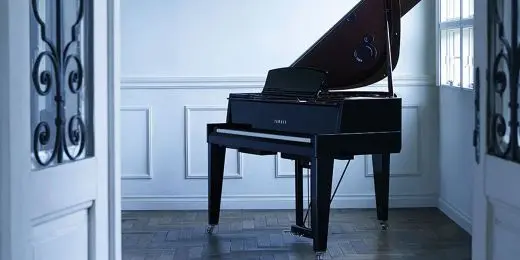
For the discerning pianist, only the best will do. The high-end models offer unparalleled sound quality, the finest key action, and a suite of professional features that leave nothing to be desired. 88 Key Upright Digital Piano with Piano Stool
Mid-Range Mastery: Balancing Quality & Cost
The mid-range digital pianos strike a balance between professional-grade quality and affordability. These pianos are perfect for serious students and hobbyists who want a robust feature set without the premium price. GDP200 Baby Grand Piano
Budget-Friendly Beats: Affordable Excellence
Even on a budget, there are digital pianos that offer great value. These models may have fewer bells and whistles but still provide a satisfying playing experience. 88 Key Digital Midi Piano
Digital Pianos for Students
With built-in learning tools and a variety of sounds to explore, digital pianos for students are designed to inspire and grow with the musician. Roland FP-E50 Digital Piano
Digital Pianos for Professional Musicians
Professionals need instruments that can perform on stage or in the studio. These digital pianos come with high-end features such as advanced sound engines, comprehensive connectivity, and stage-ready portability. Yamaha Arius YDP-145 Upright Electric Digital Piano
Where to Buy
Online Retailers
Online shopping has made purchasing a digital piano easier than ever. Reputable online retailers offer a wide selection, competitive pricing, and detailed reviews.
Local Music Stores
For those who prefer a hands-on approach, local music stores provide the opportunity to try before you buy, often with the added benefit of in-store expertise and support.
Conclusion
As we witness the continual innovation in digital pianos and play bonus features alternatives, the instruments of 2024 offer a wealth of features designed to meet the needs of all levels of pianists. Whether you seek the finest touch, the richest tones, or the most advanced technological integrations, there is a digital piano out there that resonates with your aspirations.
FAQs
What differentiates a high-end digital piano from a mid-range one in 2024?
Absolutely, digital pianos can be used for professional recordings. With advancements in technology, many digital pianos now offer studio-quality sound that can be indistinguishable from acoustic pianos in a recorded mix. Here are some reasons why digital pianos are suitable for professional recordings:
1. Sound Quality: High-end digital pianos often have more advanced sound engines and higher quality samples from world-class acoustic pianos. They may also offer a greater dynamic range and more nuanced sound reproduction, with multiple layers of sampling that reflect the various intensities of touch.
2. Key Action: The realism of the key action tends to be superior in high-end models, offering graded, weighted keys that often feature actual hammer mechanisms and sometimes even escapement or let-off simulation, which closely mimic the feel of a grand piano.
3. Build Quality and Materials: High-end pianos might use more durable and premium materials in their construction, such as solid wood for the keyboard and chassis, as well as better craftsmanship in the assembly of the parts.
4. Polyphony: Higher polyphony counts are typical of more expensive pianos, ensuring that even the most complex passages with sustained notes and heavy pedalling can be played without note dropouts.
5. Features and Customisation: High-end models usually pack more features, such as a wide array of voices, multi-track recording capabilities, more sophisticated onboard digital effects, and extensive customisation options for voicing, tuning, and touch response.
6. Connectivity: While mid-range pianos may offer basic connectivity options, high-end pianos are likely to provide more advanced connections, including MIDI, USB, Bluetooth, and sometimes even WiFi, for integration with other devices and music software.
7. Amplification and Speakers: The quality and power of built-in speakers and amplifiers will typically be higher in premium models, delivering a fuller and more resonant sound suitable for larger rooms or performance venues.
8. Design and Aesthetics: High-end pianos often feature sleeker designs with a focus on aesthetic appeal, which might include a more elegant interface, touch-sensitive controls, and a less cluttered appearance.
9. Brand and Model Prestige: Top-tier digital pianos often come from brands with a long history of prestige in piano manufacturing, and they may offer flagship models with special features or collaborations with famous musicians.
10. After-Sales Support: Higher-end models may come with better warranty terms, more responsive customer service, and options for professional setup or calibration.
When considering a digital piano, it’s important to weigh these factors against your personal needs, preferences, and budget. While high-end pianos offer the best in quality and features, mid-range pianos can still provide excellent value and performance for many users.
Can digital pianos be used for professional recordings?
1. Sound Quality: High-end digital pianos often have more advanced sound engines and higher quality samples from world-class acoustic pianos. They may also offer a greater dynamic range and more nuanced sound reproduction, with multiple layers of sampling that reflect the various intensities of touch.
2. Key Action: The realism of the key action tends to be superior in high-end models, offering graded, weighted keys that often feature actual hammer mechanisms and sometimes even escapement or let-off simulation, which closely mimic the feel of a grand piano.
3. Build Quality and Materials: High-end pianos might use more durable and premium materials in their construction, such as solid wood for the keyboard and chassis, as well as better craftsmanship in the assembly of the parts.
4. Polyphony: Higher polyphony counts are typical of more expensive pianos, ensuring that even the most complex passages with sustained notes and heavy pedaling can be played without note dropouts.
5. Features and Customisation: High-end models usually pack more features, such as a wide array of voices, multi-track recording capabilities, more sophisticated onboard digital effects, and extensive customisation options for voicing, tuning, and touch response.
6. Connectivity: While mid-range pianos may offer basic connectivity options, high-end pianos are likely to provide more advanced connections, including MIDI, USB, Bluetooth, and sometimes even WiFi, for integration with other devices and music software.
7. Amplification and Speakers: The quality and power of built-in speakers and amplifiers will typically be higher in premium models, delivering a fuller and more resonant sound suitable for larger rooms or performance venues.
8. Design and Aesthetics: High-end pianos often feature sleeker designs with a focus on aesthetic appeal, which might include a more elegant interface, touch-sensitive controls, and a less cluttered appearance.
9. Brand and Model Prestige: Top-tier digital pianos often come from brands with a long history of prestige in piano manufacturing, and they may offer flagship models with special features or collaborations with famous musicians.
10. After-Sales Support: Higher-end models may come with better warranty terms, more responsive customer service, and options for professional setup or calibration.
When considering the best digital piano, it’s important to weigh these factors against your personal needs, preferences, and budget. While high-end pianos offer the best in quality and features, mid-range pianos can still provide excellent value and performance for many users.
How important is weighted key action in a digital piano?
Weighted key action is a critical feature in digital pianos, particularly for those who aim to replicate the feel and response of an acoustic piano. Here’s why weighted key action is important:
1. Realistic Playing Experience: Weighted keys emulate the resistance of hammers in an acoustic piano, providing a more authentic touch and playing experience, which is essential for expressive performance.
2. Technique Development: For students and professionals alike, the weighted key action is important for developing proper finger strength and technique. Practicing on weighted keys can translate directly to an acoustic piano without the need to adjust one’s playing style.
3. Dynamic Control: Weighted keys allow for greater control over dynamics. The force with which a key is pressed can produce a range from soft pianissimo to a strong fortissimo, offering nuanced expression in performance.
4. Muscle Memory: Regular practice on weighted keys builds muscle memory for the touch and response that pianists expect from a traditional piano, which is crucial for those who play both digital and acoustic pianos interchangeably.
5. Versatility: Many weighted digital pianos offer different levels of touch sensitivity, which can cater to individual playing styles and preferences, enhancing the pianist’s versatility.
6. Professional Performance: For pianists involved in live performance or recording, weighted keys can be the difference between a flat, un-engaging performance and one that’s full of emotion and character, resonating more with audiences.
In conclusion, while non-weighted keyboards can be suitable for beginners, casual players, or those with space and budget constraints, weighted key action is generally considered a must-have for any serious pianist or for those wanting a comprehensive and expressive playing experience akin to an acoustic piano.
Are there digital pianos designed specifically for beginners?
Yes, there are digital pianos designed specifically for beginners. These pianos often focus on features that facilitate learning and make the initial experience as encouraging as possible. Here are some of the features common in beginner-focused best digital pianos:
1. Simplified User Interface: Beginner pianos often have a straightforward design with an easy-to-navigate interface, avoiding the complexity that more advanced pianos might have.
2. Integrated Learning Tools: Many models come with built-in learning programs, tutorial modes, light-up keys, and interactive apps that can help beginners learn to play.
3. Weighted or Semi-Weighted Keys: While they may not have the full hammer action of professional models, beginner pianos usually offer weighted or semi-weighted keys to provide a realistic touch.
4. Built-In Songs and Rhythms: To make practice fun and engaging, these pianos may include a variety of songs and accompaniment rhythms.
5. Headphone Jack: Practicing without disturbing others is often essential for beginners, so headphone connectivity is a common feature.
6. Affordability: Beginner digital pianos are typically more affordable, providing the essential features without the added cost of professional-level specifications.
7. Size and Portability: These instruments are often more compact and lightweight, making them suitable for small spaces and easy to transport if necessary.
By offering a balance between necessary piano features and user-friendly interfaces, digital pianos for beginners provide a great starting point for those just entering the world of music and piano playing.
What are the benefits of having Bluetooth connectivity in a digital piano?
Bluetooth connectivity in a digital piano brings a multitude of benefits, enhancing both the learning experience and the versatility of the instrument. Here are several advantages:
1. Wireless Audio Streaming: Bluetooth enables you to wirelessly stream music from your device to the best digital piano’s speakers. This is ideal for playing along with your favourite songs or using backing tracks to practice.
2. App Integration: Many learning and music creation apps can connect to your piano via Bluetooth, offering interactive lessons, sheet music, and tracking progress. This can be a powerful tool for beginners and advanced players alike.
3. MIDI Connectivity: Bluetooth MIDI allows for a wireless connection to a computer or mobile device, facilitating the use of music production software, notation software, or virtual instruments without the need for cables.
4. Convenience: Eliminating the need for cables when connecting to external devices not only reduces clutter but also makes setup quicker and easier.
5. Recording and Composition: With Bluetooth MIDI, pianists can record their performances directly into music software for composition or practice, making it easier to review and share their work.
6. Silent Practice with Wireless Headphones: Some digital pianos allow the use of Bluetooth headphones for silent practice, which can be incredibly convenient in shared living spaces or for late-night practice sessions.
7. Updates and Synchronisation: Bluetooth can sometimes be used to synchronise the piano with online resources, update the piano’s firmware, or even change settings from a distance.
8. Educational Features: Teachers can take advantage of Bluetooth to integrate various teaching methods and tools during lessons, making the learning process more dynamic and interactive.
9. Entertainment: Bluetooth can transform a digital piano into a home entertainment system, allowing you to use the piano’s speakers to play audio from a computer, tablet, or smartphone.
In essence, Bluetooth connectivity transforms a digital piano into a more flexible and modern instrument, suitable for a variety of modern music practices and lifestyles.
Welcome to our comprehensive review of the Roli Lumi Keys, an innovative addition to the world of music technology. In this article, we delve deep into the features, functionalities, and user experience offered by this groundbreaking instrument. Whether you’re a professional musician, a music enthusiast, or a beginner looking to explore the realms of music production, the Lumi has something to offer for everyone.
Representing a paradigm shift in the landscape of musical instruments, this sleekly designed keyboard beckons musicians of all levels to explore, experiment, and create like never before. From its responsive keys to its dynamic lighting system, every aspect of the Lumi is meticulously crafted to inspire creativity and elevate musical expression.
What is LUMI?
At its core lies a wealth of features designed to empower musicians with unparalleled control and versatility. Its expressive keyboard layout, coupled with advanced touch-sensitive technology, enables performers to capture the subtle nuances of their playing with remarkable precision. Whether you’re crafting intricate melodies or experimenting with complex chord progressions, the intuitive interface ensures a seamless and immersive playing experience.
Beyond its technical specifications, the allure of the Lumi extends far. It serves as a gateway to a world of limitless creativity and boundless exploration. With its extensive library of sounds, customisable settings, and intuitive software integration, it empowers musicians to push the boundaries of their artistry and unlock new realms of sonic possibility.
For professionals, this instrument offers a powerful tool for composition, performance, and studio production. Its seamless integration with leading music production software platforms allows for effortless workflow integration, while its dynamic performance capabilities enable artists to captivate audiences with mesmerising live performances.
For music enthusiasts, the Lumi opens doors to a world of interactive learning and discovery. Its interactive lessons, tutorials, and intuitive learning tools make it easy for users to develop their musical skills and unlock their creative potential. Whether you’re exploring the fundamentals of music theory or honing your improvisational techniques, it provides a dynamic and engaging learning experience tailored to your individual needs.
And for beginners, this instrument serves as a welcoming introduction to the world of music production. Its intuitive interface, guided tutorials, and interactive feedback system make learning the fundamentals of music accessible and enjoyable for users of all ages and skill levels. Whether you’re taking your first steps into the world of music or seeking to expand your creative horizons, it offers a supportive and inspiring environment for growth and exploration.
In conclusion, it stands as a testament to the power of innovation and creativity in the world of music technology. With its intuitive design, advanced features, and immersive user experience, the Lumi empowers musicians of all levels to unleash their creativity, express themselves with confidence, and embark on a transformative musical journey unlike any other.
Understanding the Lumi Keys
With its revolutionary MIDI keyboard designed to redefine the way musicians interact with their instruments. Featuring vibrant illuminated keys and seamless integration with music software, the Lumi offers an intuitive and immersive playing experience like no other.
Key Features
– Illuminated Keys: One of the standout features is its illuminated keys, which light up to guide players through melodies, scales, and chords in real-time. This innovative feature makes learning and playing music more accessible and engaging for users of all skill levels.
– Expressive Touch Response: You can utilises Roli’s proprietary touch technology to offer unparalleled expressiveness and sensitivity. Each key responds to the subtlest variations in touch, allowing musicians to infuse their performances with emotion and nuance.
– Compact and Portable Design: With its sleek and compact design, it is perfect for musicians on the go. Perfect for performing on stage, recording in the studio, or composing on the road, this is your ideal companion.
– Intuitive Software Integration: The simplicity seamlessly integrates with a wide range of music software, including popular DAWs like Ableton Live, Logic Pro, and GarageBand. This seamless integration allows musicians to unleash their creativity and explore new musical possibilities effortlessly.
User Experience: Navigating the Roli Lumi Keys
Setup and Installation
Setting it up is a breeze, thanks to its plug-and-play functionality. Simply connect the keyboard to your computer or mobile device via USB or Bluetooth, and you’re ready to start making music. The accompanying software guides you through the setup process, ensuring a hassle-free experience for users.
Playing and Performance
From the moment you lay your hands on this excellently designed musical masterpiece, you’re greeted with a world of possibilities. The illuminated keys provide visual feedback, helping you learn and play melodies, scales, and chords with ease. The polyphonic aftertouch plus whole key illumination is deal whilst you’re practicing your favourite songs, experimenting with new sounds, or composing original music, you are empowered you to unleash your creativity and express yourself freely.
Versatility and Flexibility
The Lumi is not just a MIDI keyboard; it’s a versatile musical instrument that adapts to your unique playing style and preferences. With customisable settings and intuitive controls such as the keyboard controller offering per key pitch bend, you can tailor the keyboard to suit your individual needs and workflow. Whether you prefer traditional piano sounds, futuristic synths, or experimental effects, it gives you the freedom to explore and create without limitations.
How big is LUMI?
Discover the exceptional specifications of the Lumi Keys:
– Keys: Boasting 24 full spectrum illuminated keys, the Lumi Keys are enhanced with ROLI Brightkey™ technology.
– Key Size: Engineered with DS 5.5® technology, the high keys measure 9.67mm wide, while the low keys measure 19.4mm wide.
– Key Plunge: Experience a key plunge of 10mm, providing users with 92% of the plunge distance found in a grand piano.
– Octave Range: Revel in a 2-octave range with the option to access the full 7 octaves using octave shift buttons.
– Modular Design: Featuring 8 DNA connectors, the Lumi Keys enable seamless connection of additional LUMI Keys or ROLI BLOCKS for expanded functionality.
– Battery: Equipped with a rechargeable Lithium battery boasting 2,300 mAh capacity, offering up to 6 hours of fully illuminated playing. A full charge requires 4-5 hours.
– Connectivity: Enjoy versatile connectivity options with Bluetooth 5.0 and USB-C port, facilitating MIDI out and power functions.
– Bluetooth Range: With an impressive Bluetooth range of 15 meters (50 feet), users can revel in wireless freedom and flexibility.
– Dimensions: Compact and portable, the Lumi Keys measure (L x W x D) 282mm x 141mm x 27mm (11″ x 5.5″ x 1″).
– Expressive Performance: Experience pressure-responsive keys featuring Polyphonic Aftertouch technology for heightened expressiveness and dynamic control during performances.
– Weight: The Lumi Keys weigh 600g (1.3lbs), ensuring easy portability without compromising on functionality.
How much will LUMI cost?
£219 (UK), $249 (USA), €249 (EU) as of March 2024.
Is LUMI Keys worth it?
Our teachers and music students at Morningside School of Music who have tried the Roli, all pretty much say the same thing, that it is a unique and modern approach to a midi controller that has so much more. When comparing against a basic key usb midi keyboard controller like the Akai mpk mini, you can see that Roli Lumi Keys Studio Edition has knocked it right out of the park. This beats all the other pro audio midi keyboards controllers. The app, the software and indeed the Lumi itself, are all fun and highly rewarding to use, both creatively and academically. We give the Lumi 10/10.
Conclusion: Elevate Your Music with Lumi Keys
In conclusion, this is a game-changer in the world of music technology. With its innovative features, expressive touch response, and seamless integration, it offers a truly immersive and transformative music-making experience. No matter if you’re a seasoned musician or a beginner just starting your musical journey, the Roli Lumi Keys unlocks a world of possibilities and inspires you to push the boundaries of creativity.
Please feel free to contact us to book a lesson. One of our highly qualified music teachers would be more than happy to take your through the Lumi’s capabilities.
An absolutely stunning Gibson Les Paul (check out more by clicking the photo)
The rich tapestry of Gibson guitars unfolds through the pages of musical history, a timeless narrative woven with the melodic threads of iconic figures and revolutionary innovations. This captivating tale, stretching back well over a century, resonates with the harmonious echoes of the Gibson Guitar Corporation’s relentless pursuit of excellence and ceaseless commitment to pushing the boundaries of musical ingenuity.
Established in the early 20th century, Gibson embarked on a journey marked by a steadfast dedication to craftsmanship and a thirst for innovation. From the pioneering days of the archtop and the introduction of the fabled L-5 model, Gibson guitars quickly became synonymous with quality and distinction in the world of musical instruments.
As the decades unfolded, the Gibson legacy became intertwined with the very fabric of American music. The soulful blues licks of B.B. King, the revolutionary rock stylings of Jimmy Page, and the transcendent soundscapes of Slash – each artist, in their own unique way, contributed to the ever-growing legend of Gibson guitars. These instruments transcended genres, becoming the trusted companions of musicians spanning the vast spectrum from jazz to metal, punk to country.
At the forefront of this musical revolution stood the iconic Gibson Les Paul, a masterpiece that emerged as a symbol of sonic prowess and cutting-edge design. With its sleek contours and electrifying tonal palette, the Les Paul became a catalyst for creative expression. From the smoky jazz clubs of New York to the arenas filled with roaring fans, the Les Paul etched its indelible mark on the sound of the 20th century.
Gibson’s contribution to the world of music goes beyond the instruments themselves. It’s a story of resilience, adaptability, and a commitment to evolving with the times. The company weathered the challenges of economic shifts, changing musical landscapes, and the ebb and flow of trends, emerging stronger each time, rooted in a deep respect for tradition while embracing innovation.
Who played a Gibson guitar?
The roster of musicians who have wielded Gibson guitars reads like a who’s who of musical greatness. From the bluesy mastery of Eric Clapton to the sonic explorations of The Edge, the Gibson guitar has become an extension of the artist, a conduit through which musical brilliance finds expression. Even in the modern era, artists like Dave Grohl and John Mayer continue to carry the torch, ensuring that the Gibson legacy remains vibrant and relevant.
In a world that constantly evolves, Gibson guitars continue to stand as beacons of musical excellence. The company’s commitment to innovation is evident in every new model, each one a testament to the tireless pursuit of perfection. As technology advances and musical landscapes shift, Gibson remains at the forefront, providing musicians with instruments that inspire and elevate their craft.
The tale of Gibson guitars is not merely a historical account; it’s a living, breathing narrative that continues to unfold. As new chapters are written and fresh voices emerge, the Gibson legacy grows, weaving itself into the very fabric of musical expression. From the storied past to the boundless future, the journey of Gibson guitars is a symphony of innovation, craftsmanship, and the enduring power of music.
The History of Gibson Guitars
The history of Gibson guitars dates all the way back to the late 19th century, when the founder of the company, Orville Gibson, was an instrument repairman in Kalamazoo, Michigan. At the time, most guitars were handmade products, and if something broke, there was no guarantee that it would be fixed. Orville decided to build his own better-quality, standardised guitars, and he ended up founding a company that would become an industry standard-bearer. The first Gibson guitar, the “Standard,” was made in 1902. In the decades that followed, Gibson would become synonymous with a wide range of guitar types, including acoustic, resonator, Hawaiian and banjo. In 1936, Gibson released what is generally considered to be one of the most important instruments in music history: the electric guitar.
See how reasonably priced these gorgeous Gibson acoustic guitars are by clicking the photo above.
Click here to check out the Gibson SG Guitar Manual
Why Are Gibson Guitars So Good?
One thing that has never changed about Gibson is the company’s insistence on using only the best materials and parts in their guitars. It’s a practice that has been in place since the beginning, and it is one of the main reasons why Gibsons are such good instruments. When it came to choosing woods for their guitars, Gibson, was the only company to exclusively use woods grown in the United States. Nowadays many companies use American woods in their guitars, but Gibson has always been solely responsible for their harvesting and transportation, which has ensured that they’re of the highest quality. For example, a typical Les Paul will be made from mahogany for the body and maple for the neck.
The Birth of the Solid-Body Electric Guitar
The rise of the electric guitar as a standard instrument in the 1940s and 50s also saw the birth of the solid-body guitar. By removing the hollow body of a traditional acoustic, electric guitars became lighter, cheaper to make and easier to amplify, making them more accessible to non-performers. Gibson led the charge in the development of the solid-body guitar. Their first model, the ES-150 first came to market in 1941. It is generally considered to be the first commercially successful solid-body guitar and was originally marketed as a Hawaiian guitar. The birth of the solid-body electric guitar is also the origin of what would become the signature sound of rock music. The first guitarist to really put the solid body to use was two-time rock and roll Hall of Fame inductee, Chuck Berry. Berry was an early pioneer in guitar amplification and used his Gibson ES-150 to record many of his most famous songs, including “Roll Over Beethoven” and “Johnny B. Goode.”
Click here to check out the Les Paul Guitar Book.
The Rise and Fall of the Bass Guitar
Another important development in guitar history was the invention of the bass guitar. Gibson was also at the forefront of that development, releasing the first electric bass guitar, the EB-1, in 1952. However, the instrument never truly took off. The reasons for this are hotly debated, but many attribute the lack of popularity to the fact that most people couldn’t hear the bass in music played on the radio at the time. Due to the rise of the electric guitar, the instrument was often played through amplifiers with very high-frequency response, which often caused the bass to sound like a very low-pitched buzz. In order to hear the bass line, people would have to go to a live concert and sit close to the stage. That is, until the 1950s, when manufacturers began to create speakers with a wider frequency response. Suddenly, the bass could be heard on the radio, but the speakers were too small to accommodate an electric bass.
Click here to check out the Gibson Les Paul Standard book.
Gibsons in the 70s: When Looks Were More Important Than Sound
In the 70s, the guitar suffered a bit of an identity crisis. In an attempt to capitalise on the popularity of rock music, Gibson began to focus on flashy designs. Even the names of their new models were flashy, including the Flying V, Explorer, and the Firebird. The goal was to make Gibson guitars more recognisable, but instead, the company just became wildly inconsistent. The quality of the guitars suffered as a result and Gibson failed to keep up with the many innovative new companies that were springing up in other parts of the world.
Rebuilding in the 80s: A Return to Core Values
By the late ‘80s, Gibson was in dire financial trouble. Most people thought the company was on its way out and that the Gibson name would be lost to history. But then one man changed everything. Noted musician and producer, Andy Hargreaves, was brought in as a consultant to Gibson in 1984. He was immediately struck by the level of poor quality in all of the instruments, but he also saw an opportunity to turn things around. Using his talent for design and his keen ear for music, Hargreaves helped to re-introduce Gibson to the public by releasing a line of affordable and high quality acoustic guitars. He also introduced the world to the concept of the signature model guitar. And most importantly, he brought the focus back to what Gibson’s been doing since day one: producing the highest quality guitars possible.
Click here to check out the Gibson 335 Guitar Book.
Recent Improvements and New Developments Under Trump’s Leadership
As described above, Gibson’s history is one of highs and lows, not just in terms of financial success, but also in terms of quality control. The company has experienced a number of scandals over the years, including a public relations nightmare after gouging customers on pricing during a shortage in the 1990s, and again in 2011 when they were forced to recall certain models of guitars manufactured in the Far East because they contained dangerous levels of lead. Gibson also attempted to sue the government in 2016, claiming that the CITES regulations (which aim to protect endangered species) unfairly impacted their ability to import and export ebony and rosewood fingerboard materials for guitars. After an outcry from consumers, the company ultimately changed their position and withdrew the lawsuit.
The conclusion
In order to remain competitive and stay true to their roots, Gibson has recently made some important changes. They have centralised their operations to one location in Nashville, Tennessee, and they have placed increased focus on quality control to ensure that every guitar leaves the factory in perfect working order. The company is also investing heavily in research and development to discover new and innovative ways to improve their products, and they are using their extensive knowledge in woodworking to create sustainable and renewable sources of raw materials. By maintaining a commitment to their core values, the history of Gibson guitars proves that the company will likely be around for many more decades to come for all loyal Gibson Les Paul players.
I am text block. Click edit button to change this text. Lorem ipsum dolor sit amet, consectetur adipiscing elit. Ut elit tellus, luctus nec ullamcorper mattis, pulvinar dapibus leo.